


Blog
2025 Top Color Masterbatch Trends Every Manufacturer Should Know
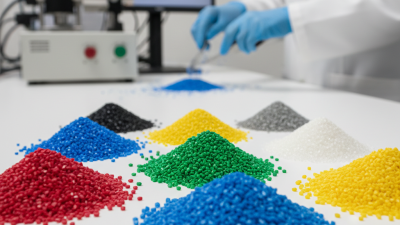
As we approach 2025, the landscape of color masterbatch is evolving rapidly, driven by technological advancements and shifting market demands. Color masterbatch has become an essential component in various industries, including packaging, automotive, and consumer goods, allowing manufacturers to achieve vibrant and consistent coloration in their products. Understanding the latest trends in color masterbatch not only helps manufacturers stay competitive but also enables them to cater to the growing consumer preferences for sustainable and innovative solutions.
In this dynamic context, several key trends are emerging that every manufacturer should be aware of. From the increasing demand for bio-based and environmentally friendly color masterbatches to the integration of advanced color matching technologies, these trends reflect a broader movement towards sustainability and efficiency in the production process. By embracing these developments, manufacturers can enhance their product offerings and meet the expectations of environmentally conscious consumers while optimizing their operations.
This article will delve into the top color masterbatch trends for 2025, highlighting the innovations that are reshaping the industry and providing insights on how manufacturers can leverage these trends to drive growth and success in their businesses.
Emerging Color Trends in Masterbatch for 2025
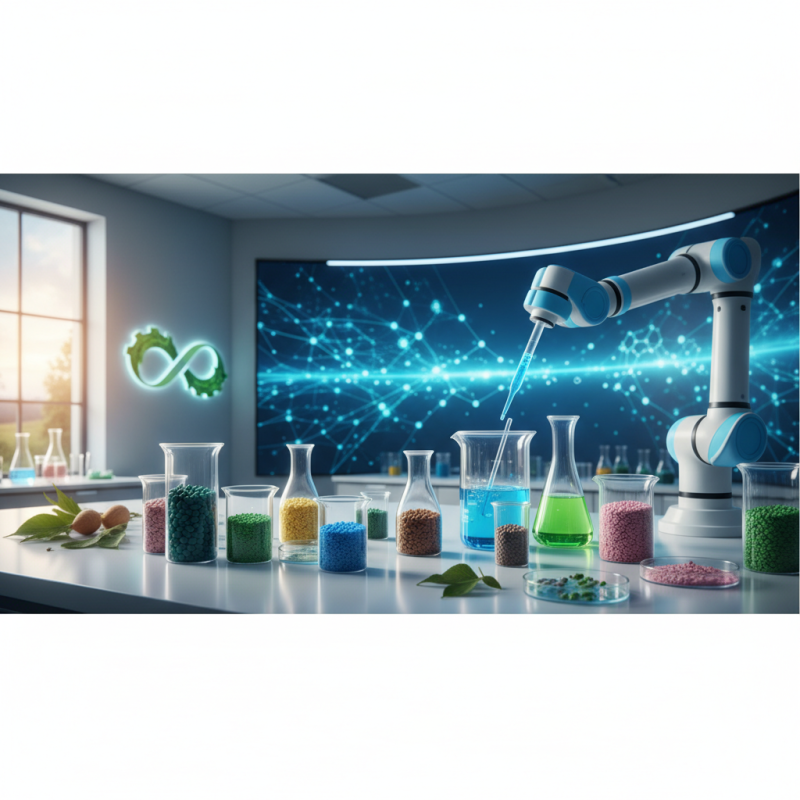
As we approach 2025, the color masterbatch market is set to witness significant transformations influenced by evolving consumer preferences and sustainability initiatives. One of the most notable emerging trends is the shift towards eco-friendly colors. According to a recent report by Smithers Pira, the demand for sustainable masterbatch solutions is projected to grow by 15% annually, driven by an increase in consumer awareness regarding environmental impacts. Manufacturers are investing in naturally derived pigments and recyclable materials, which not only meet regulatory demands but also resonate with eco-conscious consumers.
Color trends for 2025 will also emphasize bold, vivid hues alongside muted, earthy tones that reflect natural elements. The trend towards biophilic design—a growing preference for designs that incorporate nature—has led to the rise of colors inspired by organic landscapes. For example, shades of green and brown are anticipated to dominate in various applications, from packaging to consumer goods. Industry experts predict that these natural colors will account for nearly 40% of the color options offered in masterbatch formulations by 2025.
**Tips:** Stay ahead in the market by regularly monitoring color forecasts and industry reports. Engage with manufacturers who prioritize sustainable practices and explore innovative color formulations that align with contemporary consumer demands. Additionally, consider experimenting with limited-edition color collections that reflect current trends—a strategy proven to enhance brand visibility and consumer engagement.
Sustainability and Eco-Friendly Color Solutions
The focus on sustainability in manufacturing has led to a significant shift in the development of color masterbatches. As industries face increasing pressure to reduce their environmental footprint, eco-friendly color solutions are emerging as a vital component of sustainable practices. Manufacturers are prioritizing the use of biodegradable materials and recycled pigments, which not only support sustainability goals but also meet the growing consumer demand for environmentally responsible products. This trend is not merely a response to regulations; it reflects a broader commitment to creating a circular economy where materials are reused and waste is minimized.
Moreover, innovations in technology are enabling manufacturers to develop high-performance masterbatches that do not compromise on color quality or durability. Water-based and solvent-free formulations are gaining traction, catering to a wide range of applications while reducing harmful emissions. By integrating natural dyes and sustainable sourcing practices into their production processes, manufacturers are not only enhancing the aesthetic appeal of their products but also contributing to a healthier planet. The emphasis on eco-friendly color solutions is set to define the future of manufacturing, encouraging a more responsible approach that aligns with global sustainability initiatives.
Technological Innovations in Color Masterbatch Production
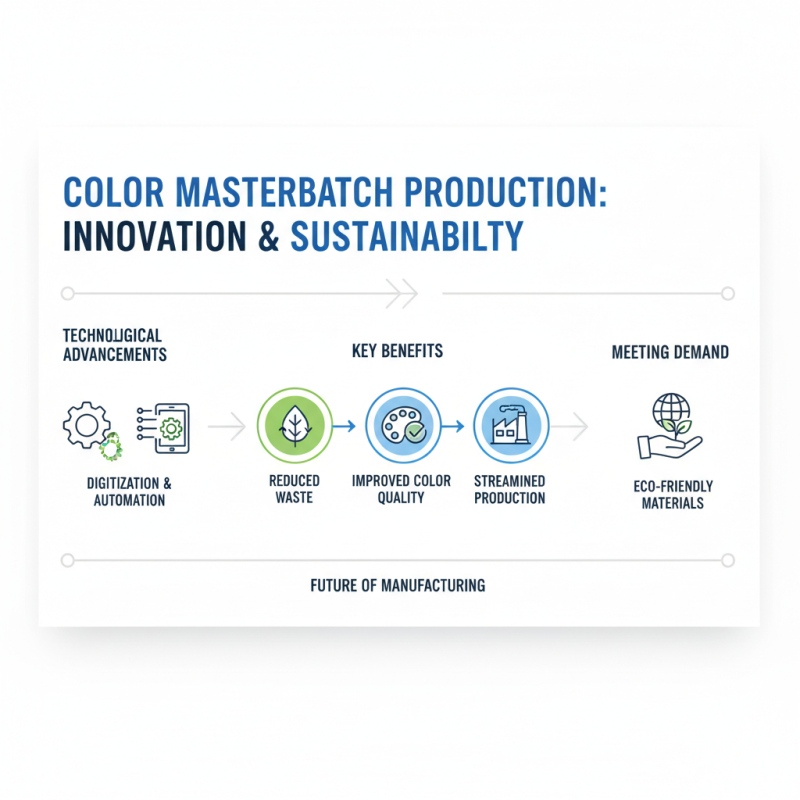
The production of color masterbatch is experiencing a transformative phase, driven by technological innovations that enhance efficiency and sustainability. Advanced techniques, such as digitization and automation in manufacturing processes, are allowing manufacturers to reduce waste while improving color consistency and quality. Embracing these innovations not only streamlines production but also meets the growing demand for eco-friendly materials.
**Tips:** Consider integrating modular production lines that can be easily adjusted for different batch sizes, minimizing setup times and maximizing flexibility. This approach aids in crafting customized color blends rapidly—catered to specific market needs—without significant overhead costs.
Moreover, the adoption of smart technologies, like IoT sensors and machine learning algorithms, helps in monitoring and optimizing production parameters. This allows for real-time data analysis, enabling manufacturers to predict trends and adapt swiftly to changes in consumer preferences. Incorporating these solutions can lead to enhanced product offerings and improved customer satisfaction.
**Tips:** Investing in employee training on these new technologies can yield long-term benefits. When staff are well-versed in operating advanced systems, the overall productivity and innovation capacity of the manufacturing process can significantly improve, keeping companies competitive in a fast-evolving market.
Market Demand Influences on Color Selection
The influence of market demand on color selection for masterbatches has become increasingly significant as manufacturers strive to meet the evolving preferences of consumers. Today’s market ecosystem is characterized by rapid shifts, requiring businesses to stay ahead by closely monitoring emerging trends and consumer behavior. Colors are not just aesthetic choices; they convey brand identity, evoke emotions, and can significantly impact purchasing decisions. As such, manufacturers must prioritize color research and analysis to align their offerings with market demands.
In recent years, sustainability has played a crucial role in shaping color selection. As eco-consciousness continues to rise among consumers, there is a growing demand for color masterbatches that incorporate sustainable practices. This includes using natural pigments and environmentally friendly production methods. Additionally, industries such as packaging, automotive, and consumer goods are now gravitating towards muted, earthy tones that reflect a commitment to sustainability. By understanding these shifts in consumer sentiment, manufacturers can innovate and adapt their color offerings, ensuring they meet the market’s expectations while also enhancing their competitive edge.
2025 Top Color Masterbatch Trends Every Manufacturer Should Know - Market Demand Influences on Color Selection
| Color Category | Market Demand % | Application Area | Key Influencers |
|---|---|---|---|
| Natural Tones | 25% | Packaging, Construction | Sustainability Trends |
| Bright Neons | 15% | Fashion, Entertainment | Youth Culture |
| Pastels | 20% | Home Decor, Cosmetics | Minimalism |
| Metallics | 10% | Automotive, Electronics | Technology Innovations |
| Earthy Shades | 30% | Agriculture, Furniture | Environmental Concerns |
Applications of Top Color Masterbatch Trends Across Industries
The color masterbatch market is witnessing significant transformations, particularly as manufacturers across various industries aim to enhance aesthetic appeal and functionality. According to a report by MarketsandMarkets, the global masterbatch market is projected to reach approximately $20 billion by 2025, driven by the growing demand in packaging, automotive, and consumer goods sectors. Specifically, the trend towards more sustainable and eco-friendly colorants has surged, with industries increasingly focusing on biodegradable options and reduced environmental impact.
In the packaging sector, the application of advanced color masterbatch is particularly notable. For instance, as per a study by Mordor Intelligence, the demand for colored masterbatch in the packaging industry is expected to grow at a CAGR of 5.2% from 2020 to 2025. This trend is largely fueled by consumer preferences for visually appealing products that stand out on the shelves, leading manufacturers to adopt innovative color technologies that improve material characteristics, such as UV stability and heat resistance.
Similarly, in the automotive industry, the emphasis is shifting towards lightweight materials accompanied by vibrant colors and finishes. A report by Allied Market Research indicates that the automotive segment is anticipating a growth rate of 4.3% CAGR in the use of color masterbatch materials, driven by manufacturers seeking to enhance vehicle aesthetics while maintaining performance. The integration of color masterbatch contributes not only to the visual appeal but also to the overall sustainability goals of automotive producers, aligning with the global push towards greener solutions.
Related Posts
-
What is Color Masterbatch and How It Revolutionizes Plastic Manufacturing
-
Ultimate Tips for Choosing the Right PP Masterbatch for Your Projects
-

Top 10 Benefits of Using Plastic Compounds in Modern Manufacturing
-

2025 Top Trends in Plastic Masterbatch and Its Impact on the Industry
-
Top Compounds for Plastic in 2025 What You Need to Know
-

Tips to Reduce Plastic in Plastic Waste and Its Environmental Impact