



Blog
What is an Amphibious Excavator and its Benefits for Buyers?
An Amphibious excavator is a unique machine designed for versatility in challenging terrains. According to industry reports by marketsandmarkets.com, the global amphibious excavator market is projected to grow significantly, driven by increased infrastructure development and environmental restoration projects. These machines excel in swampy, wetland, and flood-prone areas where traditional excavators cannot operate efficiently.
The benefits of an amphibious excavator are noteworthy. They can navigate water and land seamlessly, which saves time and labor costs. With the ability to perform various tasks, such as dredging and landscaping, these excavators enhance project efficiency. A study published by the European Construction Equipment Industry (CECE) indicated that companies using amphibious equipment reported a 30% increase in productivity during aquatic operations. However, potential buyers must consider the high initial investment and operational training requirements.
Investing in an amphibious excavator may require substantial upfront costs. Yet, long-term savings and increased project adaptability often justify this expense. As the market shifts towards more eco-friendly solutions, these machines will play a pivotal role in future construction and environmental management efforts.
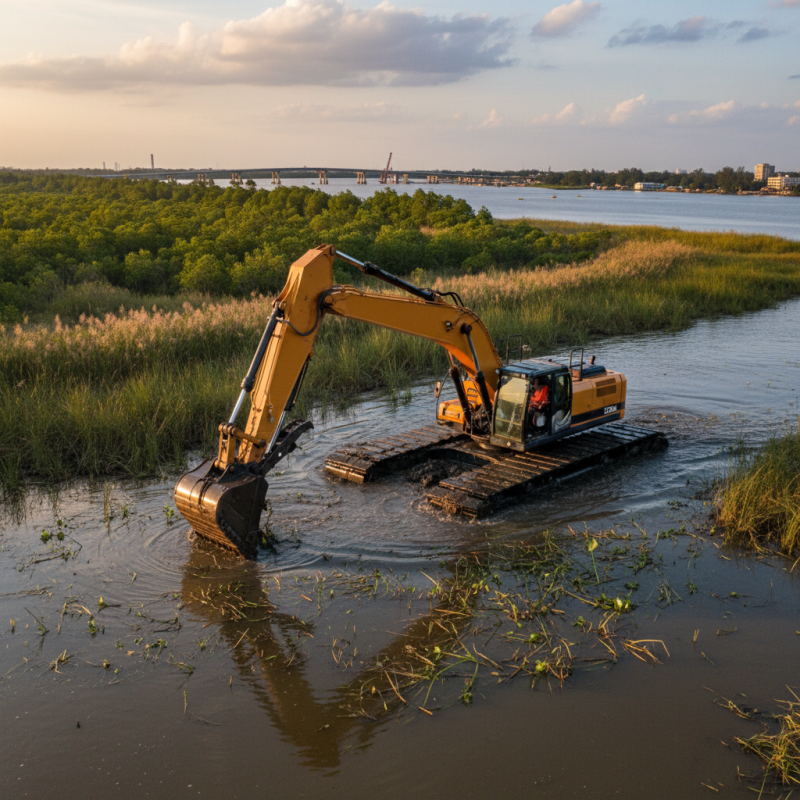
What Is an Amphibious Excavator: Definition and Key Features
Amphibious excavators are a versatile machine designed to operate in wetland and marshy areas. Their ability to traverse both land and water makes them unique. Equipped with special pontoons, these excavators float and can maneuver in shallow water. This makes them ideal for dredging, land reclamation, and environmental restoration projects.
Key features of amphibious excavators include a robust undercarriage and advanced hydraulic systems. These elements enhance their stability and performance in challenging terrains. Moreover, their extended reach allows operators to access hard-to-reach areas. However, potential buyers should consider the operational costs and maintenance demands. While they offer significant advantages, the initial investment can be substantial.
Choosing the right amphibious excavator requires careful thought. Buyers must assess their specific needs and project requirements. Understanding the capabilities and limitations of these machines is essential. They can provide great benefits, but they are not without challenges. It’s crucial to weigh both pros and cons before making a decision.
The Design and Functionality of Amphibious Excavators
Amphibious excavators are specialized machines designed for working in both land and water. These machines combine the capabilities of traditional excavators with the versatility needed for marshy or flooded areas. The unique design features floats, allowing them to maneuver on water while maintaining stability. This functionality is crucial for projects involving dredging, land reclamation, and environmental restoration.
For those interested in purchasing amphibious excavators, consider the purpose of your projects. These machines can tackle tough terrains but may also face limitations. Ensure they meet your operational needs and site challenges. Assess their mobility on various surfaces.
Tips: Always review the specifications carefully. Look for excavators with enhanced floatation qualities and robust hydraulic systems. These features can significantly enhance productivity. Additionally, invest time in training operators. Proper training can maximize the machine's efficiency.
The maintenance of amphibious excavators may be more complex than standard models. Be prepared for potential repairs and the need for specialized parts. Understanding these aspects can save time and money in the long run. A reflective approach to your purchasing decisions will lead to better outcomes in challenging environments.
Advantages of Amphibious Excavators for Construction and Environmental Work
Amphibious excavators are innovative machines designed for a dual purpose. They operate both on land and in water, making them ideal for unique construction and environmental projects. These versatile machines are particularly beneficial in wetland areas, rivers, and marshes. Their wide tracks reduce ground pressure, preventing damage to sensitive environments.
In construction, amphibious excavators enhance efficiency. They can access areas that traditional equipment cannot reach. Workers can move materials easily across different terrains without needing to set up complex equipment transfers. This saves time and reduces project costs. Additionally, these excavators can aid in environmental restoration efforts. They can dig, dredge, and transport materials while minimizing disruption to the ecosystem.
However, buyers must consider factors like maintenance and training for operators. Not all operators are familiar with this technology. Investing in training can be a challenge but ensures safety and efficiency. The initial cost of these machines is higher, which could also raise concerns for budget-conscious projects. Balancing these factors is essential when deciding whether to invest in amphibious excavators for future projects.
Benefits of Amphibious Excavators for Construction and Environmental Work
Factors Buyers Should Consider When Purchasing an Amphibious Excavator
When considering an amphibious excavator, several key factors come into play. First, assess the specific tasks you intend to accomplish. Different projects require varying capabilities. For instance, dredging, canal maintenance, or wetland construction often demand distinct performance features.
Another critical consideration is the machine's weight and buoyancy. An amphibious excavator must efficiently navigate water and land. Buyers should verify the machine's specifications to ensure it meets their project needs. Payload capacity also matters. Ensure it can handle the loads you plan to work with, especially in soft or unstable ground.
Operating ease and maintenance are also vital. A user-friendly control system can save time and reduce training costs. However, consider the availability of replacement parts and service options. This could impact long-term ownership costs. As amphibious excavators can be complex machines, understanding how they function is essential for effective operation. Reflect on whether the investment aligns with your long-term operational strategy.
Comparing Amphibious Excavators with Traditional Excavators
Amphibious excavators stand out due to their unique design. They can operate in water and on land. This versatility allows them to tackle projects in wetlands or marshy areas. Traditional excavators struggle in such environments. Their tracks can sink, making work slow and difficult. Amphibious excavators, however, float and maneuver easily. This enhances productivity and reduces downtime.
When comparing the two, it is clear that amphibious excavators have a wider range of applications. They are ideal for dredging, excavation, and construction in challenging terrains. Traditional excavators typically excel in solid ground but may require additional equipment for wet areas. Buyers must consider the type of projects they undertake. The initial investment for an amphibious excavator may be higher, but the long-term benefits can be significant.
However, it's important to reflect on the maintenance needs. Amphibious excavators need regular checks to ensure floats and tracks function well. Neglecting this can lead to costly repairs. This complexity might not suit all buyers. Evaluating whether the advantages of an amphibious excavator align with specific project needs is essential.
What is an Amphibious Excavator and its Benefits for Buyers?
| Feature | Amphibious Excavator | Traditional Excavator |
|---|---|---|
| Terrain Adaptability | Excellent; operates on water and soft ground | Limited; designed for solid surfaces only |
| Versatility | High; can perform various tasks in wetland areas | Moderate; specific to construction sites |
| Cost | Higher initial investment | Lower initial investment |
| Maintenance | Requires specialized maintenance | Standard maintenance practices |
| Environmental Impact | Designed to minimize disruption in sensitive areas | Can cause more soil disturbance |
| Accessibility | Can access hard-to-reach wet areas | Struggles in swampy or flooded locations |