


Blog

What Are the Benefits of Using Engineering Plastics?

The use of engineering plastics is revolutionizing various industries. These materials offer a unique combination of strength, durability, and lightweight nature. According to Dr. Emily Carter, a renowned expert in polymer science, "Engineering plastics are an essential part of modern manufacturing."

In automotive, aerospace, and consumer products, their applications are numerous. For instance, engineering plastics can replace metals in many cases. This shift helps reduce the overall weight and often improves energy efficiency. The energy savings in transport sectors are impressive, yet some traditionalists question this move.

However, while engineering plastics present clear advantages, they do require careful consideration. Not all types provide the same performance. Environmental concerns also arise, as some plastics may not be fully recyclable. The balance between innovation and sustainability is crucial in this field. The ongoing developments in engineering plastics compel us to reflect on their long-term implications.

What Are the Benefits of Using Engineering Plastics?

Advantages of Engineering Plastics in the Manufacturing Industry

Engineering plastics are increasingly favored in the manufacturing sector due to their impressive range of benefits. These materials provide excellent thermal stability and can withstand high temperatures. For instance, certain engineering plastics maintain integrity when exposed to heat. This makes them ideal for applications in automotive and electronic components. Their ability to remain stable means fewer failures during production.

Another advantage is their chemical resistance. Engineering plastics resist corrosion from chemicals, oils, and solvents. This resistance prolongs the life of manufactured goods. For example, plastic components in machinery do not degrade easily, ensuring longer maintenance intervals. However, their cost can be a concern, as they are often pricier than standard plastics.

Moreover, engineering plastics are lightweight yet durable, making them easy to handle and transport. While this is a significant benefit, manufacturers need to assess the strength required for specific applications. Not every engineering plastic offers the same level of toughness. Balancing cost, weight, and strength can be challenging, but it's essential for optimizing production efficiency.

What Are the Benefits of Using Engineering Plastics? - Advantages of Engineering Plastics in the Manufacturing Industry

Benefit Description Applications Material Examples
Lightweight Engineering plastics are significantly lighter than metals, reducing overall weight. Aerospace, automotive, electronics Polycarbonate, Nylon 6,6
Corrosion Resistance These materials resist many chemical substances, enhancing durability in various environments. Chemical processing, marine applications Polypropylene, PVC
Thermal Stability Many engineering plastics can withstand high temperatures without losing structural integrity. Electrical insulators, automotive components PBT, Polysulfone
Low Friction These plastics provide smooth surfaces that reduce friction, leading to lower wear on moving parts. Bearings, gears, and other moving components PTFE, UHMWPE
Electrical Insulation Engineering plastics often have excellent insulating properties, making them ideal for electronic applications. Electrical housings, circuit boards Phenolic, Polyimide

Durability and Resistance of Engineering Plastics Compared to Metals

Engineering plastics offer impressive durability compared to metals. They are less prone to rust and corrosion. This resistance is crucial in environments exposed to moisture and chemicals. For example, a component made from engineering plastic can endure harsh chemicals without deteriorating. In contrast, metals can corrode under similar conditions, leading to failure.

Another significant advantage is weight. Engineering plastics are lighter than metals. This lightweight nature can enhance the efficiency of various applications, especially in the automotive and aerospace industries. A lighter component can improve fuel efficiency and reduce energy consumption. However, some may question the load-bearing capability of these plastics versus metals.

Despite their advantages, engineering plastics are not without limitations. They can deform under extreme temperatures or high stress. Additionally, the environmental impact of production and disposal requires careful consideration. Users must weigh the benefits against potential drawbacks to make informed choices. These factors highlight the importance of ongoing research and innovation in the field.

Benefits of Using Engineering Plastics Compared to Metals

Applications of Engineering Plastics in Various Sectors

Engineering plastics are revolutionizing various sectors with their versatility and strength. In the automotive industry, lightweight materials enhance fuel efficiency. This leads to reduced emissions, but implementing these materials can be costly. Engineers must balance performance and budget constraints.

In the medical field, engineering plastics are essential for devices like surgical instruments. They offer biocompatibility and sterilization resistance. However, the challenge lies in ensuring durability and safety during long-term use. Continuous testing is needed to meet strict health standards.

In electronics, engineering plastics improve insulation and heat resistance. This is crucial for longer device lifespans. Yet, finding the right balance between flexibility and strength can be difficult. Innovative designs often require multiple iterations. Each sector benefits from engineering plastics, but careful planning is key.

Cost-Effectiveness of Engineering Plastics in Production Processes

What Are the Benefits of Using Engineering Plastics?

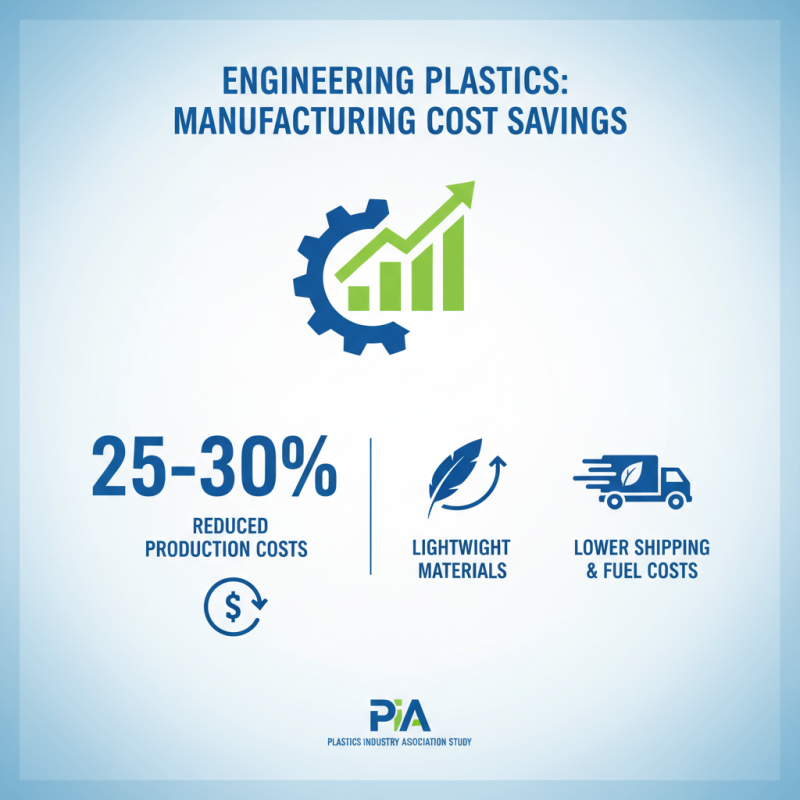
In today’s manufacturing landscape, engineering plastics are gaining attention for their cost-effectiveness. A study from the Plastics Industry Association highlights that these materials can reduce production costs by 25-30%. This significant savings stems from their lightweight nature, which lowers shipping costs and enables greater fuel efficiency in transport.

Many industries are now integrating engineering plastics into their production processes. For instance, the automotive sector has reported a 15% decrease in assembly time when utilizing these materials. However, it’s crucial to recognize that not all engineering plastics are equal. Some may not meet specific performance criteria, leading to compromises in product quality.

Moreover, while the initial investment might be lower, the long-term implications of material degradation must be considered. For instance, some plastics may have a shorter lifespan under certain conditions. This raises questions about overall value and sustainability. An in-depth assessment is essential to harness the full potential of engineering plastics. The balance between cost savings and quality must be carefully navigated for successful integration.

Environmental Impact and Sustainability of Engineering Plastics

What Are the Benefits of Using Engineering Plastics?

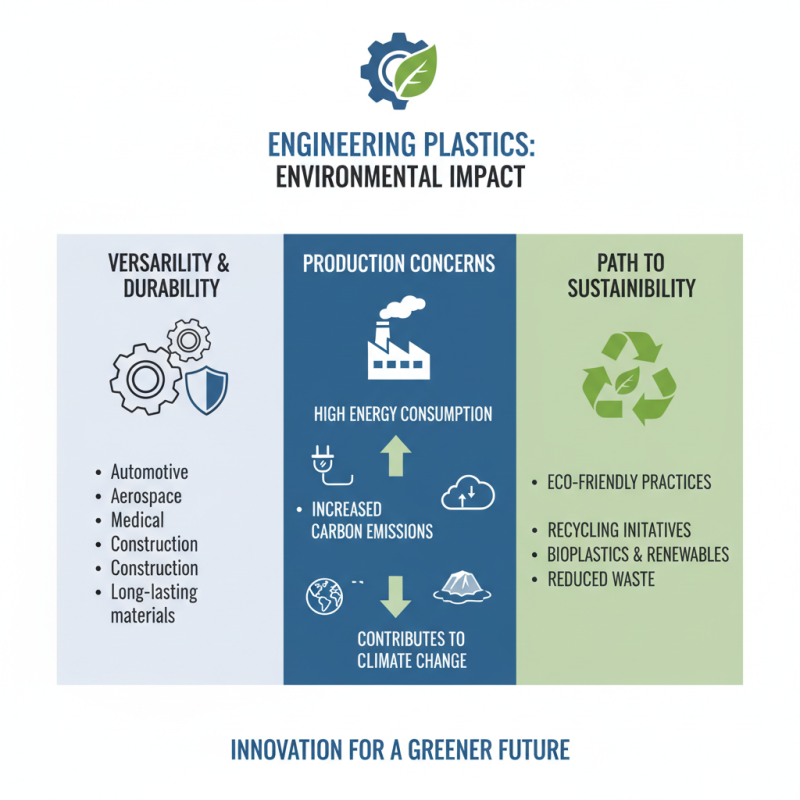
Engineering plastics are becoming increasingly popular due to their versatility and durability. However, their environmental impact raises important questions. The production of these plastics often involves significant energy consumption. This can lead to increased carbon emissions, contributing to climate change. It's crucial for manufacturers to consider eco-friendly practices in production.

The recyclability of engineering plastics is a mixed bag. Some types can be recycled, while others end up in landfills. This discrepancy highlights an area for improvement. Companies are exploring new recycling methods. Innovative techniques could help reduce waste and conserve resources. Still, many plastics are not biodegradable, posing long-term ecological risks.

Sustainability initiatives are vital. They push for the use of bio-based engineering plastics. These alternatives can reduce dependence on fossil fuels. Moreover, education on proper disposal and recycling is necessary. Consumers must understand the implications of their choices. Without this awareness, the benefits of engineering plastics could be overshadowed by environmental harm. Embracing these challenges can lead to better solutions.

Register now