



Blog
Top 10 Benefits of Using Plastic Compounds in Modern Manufacturing
In the dynamic landscape of modern manufacturing, the evolution of materials plays a critical role in driving innovation and efficiency. Among these materials, plastic compounds have emerged as indispensable components, reshaping the way products are designed and produced. Characterized by their versatility and unique properties, plastic compounds offer numerous advantages that cater to the diverse needs of various industries. From automotive to consumer goods, the adoption of plastic compounds has not only streamlined production processes but also enhanced product performance and sustainability.
The advantages of utilizing plastic compounds extend beyond mere material choice; they encapsulate a broad range of benefits that contribute to overall manufacturing excellence. Their lightweight nature aids in reducing energy consumption during transportation, while their adaptability enables manufacturers to customize properties such as strength, durability, and thermal resistance. Furthermore, plastic compounds can be engineered for specific applications, optimizing functionalities that meet stringent quality standards. As we delve deeper into the top 10 benefits of using plastic compounds in modern manufacturing, it becomes evident that these innovative materials are not just a trend but a vital element in fostering a more efficient and sustainable industrial future.

Advantages of Plastic Compounds in Manufacturing Efficiency
The use of plastic compounds in manufacturing has revolutionized the industry by significantly enhancing efficiency in various operations. One of the primary advantages of plastic compounds is their lightweight nature, which contributes to reduced transportation costs and energy consumption during manufacturing processes. This lightweight property enables easier handling, quicker assembly, and diminishes the risk of component damage, thereby streamlining production lines.
Moreover, plastic compounds boast excellent versatility and can be engineered to meet specific performance requirements. This adaptability allows manufacturers to produce tailored components swiftly without sacrificing quality. The rapid processing techniques available for plastic materials, such as injection molding, enable faster turnaround times and increased output, catering to the growing demands of modern markets. Additionally, the durability and resistance of plastic compounds to corrosion, chemicals, and moisture further enhance manufacturing efficiency by minimizing downtime and reducing maintenance costs, allowing for continuous operations and an overall boost in productivity.
Enhanced Durability and Longevity of Plastic-Based Products
The use of plastic compounds in modern manufacturing is revolutionizing the way products are designed and fabricated, particularly in terms of enhanced durability and longevity. One of the primary advantages of using advanced plastic compounds is their resistance to wear and tear. These materials can withstand various environmental conditions, including moisture, heat, and UV exposure, making them ideal for outdoor applications. As a result, products made from these durable plastics tend to last longer, reducing the need for frequent replacements and minimizing waste.
Tips for manufacturers looking to optimize the longevity of their plastic products include selecting the appropriate type of plastic compound based on the specific environmental stresses the product will face. Consideration should be given to additives that improve strength and resilience. Additionally, proper processing techniques during manufacturing can significantly enhance the final product's durability. Ensuring that the production process is optimized for the selected material helps avoid defects that could compromise the longevity of the item.
Another important aspect is regular maintenance and proper usage of plastic-based products. Educating consumers about the best practices for handling and caring for plastic items can further extend their lifespan. Simple measures, such as avoiding exposure to extreme temperatures and cleaning them with gentle agents, can prevent unnecessary damage. By focusing on these factors, manufacturers can not only enhance the durability of their products but also ensure customer satisfaction through products that stand the test of time.
Cost-Effectiveness: Reducing Manufacturing Expenses with Plastics
The cost-effectiveness of plastic compounds in manufacturing is one of the most compelling reasons for their widespread use across various industries. Plastics can significantly lower production expenses due to their lightweight nature, which reduces transportation costs. Additionally, the ease of molding and shaping plastic materials allows for complex designs to be produced with minimal waste, further contributing to cost savings. This efficiency enables manufacturers to produce high-quality components in bulk without incurring excessive costs, making plastics an attractive alternative to traditional materials such as metal or wood.
Moreover, plastic compounds often require less energy to process than many other materials. This reduced energy consumption not only translates into lower utility bills for manufacturers but also contributes to a more sustainable production process. The adaptability of plastics means they can be tailored to meet specific performance criteria, allowing companies to optimize their designs for both function and cost. As manufacturers seek to streamline operations and enhance their profit margins, the role of plastic compounds in reducing overall manufacturing expenses continues to become increasingly vital, affirming their position as a key material in modern manufacturing.
Top 10 Benefits of Using Plastic Compounds in Modern Manufacturing
| Benefit | Description | Cost Impact |
|---|---|---|
| Lightweight | Reduces transport costs and energy consumption. | -15% |
| Durability | Lower replacement costs due to longer life spans. | -20% |
| Versatility | Ability to mold into complex shapes reduces material waste. | -10% |
| Corrosion Resistance | Lowers maintenance costs for equipment. | -15% |
| Energy Efficiency | Lower energy requirements during production. | -12% |
| Cost of Raw Materials | Often cheaper than metal and glass alternatives. | -18% |
| Safety | Non-toxic, reducing the risk of injuries. | N/A |
| Recyclability | Reduction in waste disposal costs. | -10% |
| Shorter Production Time | Streamlined manufacturing processes save time. | -25% |
Versatility of Plastic Compounds in Various Industries
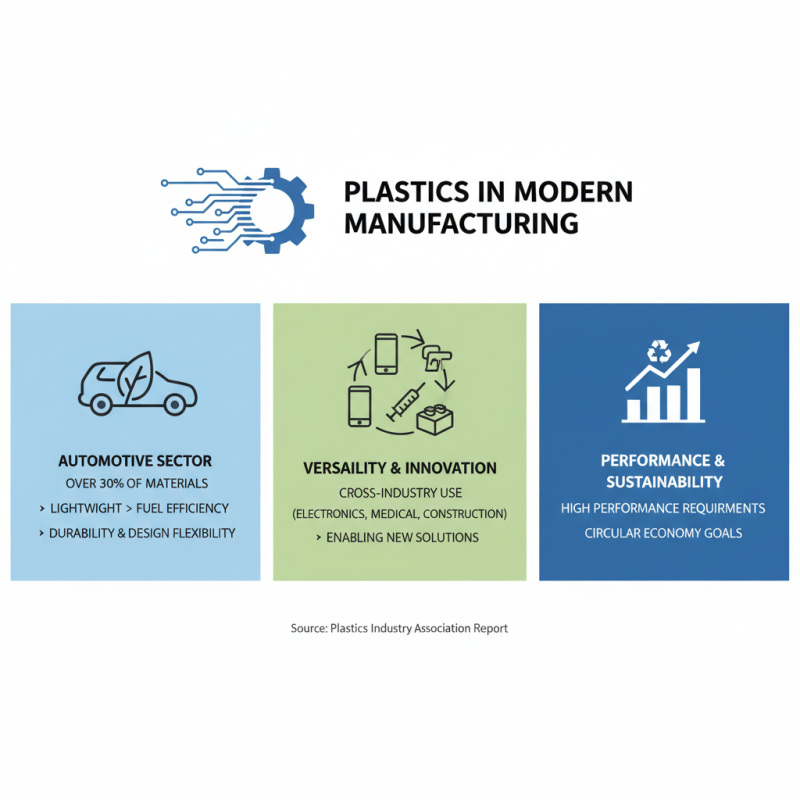
The versatility of plastic compounds in modern manufacturing is evident across various industries, transforming traditional processes and enabling innovative solutions. According to a recent report by the Plastics Industry Association, plastic materials account for over 30% of the materials used in the automotive sector, primarily due to their lightweight properties and durability. This shift not only enhances fuel efficiency but also contributes to the overall design flexibility of vehicles, showcasing how plastic compounds can support stringent performance requirements while maintaining sustainability goals.
In the consumer goods industry, plastic compounds are increasingly favored for their ability to be customized in color and texture, allowing manufacturers to meet diverse aesthetic demands. A study by Grand View Research highlights that the global plastic compounds market is expected to reach $50 billion by 2028, driven by the growing preference for lightweight and cost-effective materials. These compounds facilitate the production of intricate designs that are not only visually appealing but also functional, from packaging to household products. The adaptability of plastic compounds positions them as a crucial component in the innovation landscape of multiple sectors, promoting efficiency and creativity in product development.
Environmental Considerations: Recyclability and Sustainable Practices
The integration of plastic compounds in modern manufacturing is increasingly scrutinized through the lens of environmental considerations, particularly concerning their recyclability and sustainable practices. According to a report by the Global Plastics Alliance, over 300 million tons of plastic are produced annually, and a significant portion is not effectively recycled. However, advancements in plastic technology have led to the development of compounds that are not only performance-driven but also designed with end-of-life considerations in mind. A study by the Ellen MacArthur Foundation posits that shifting towards a circular economy could reduce global plastic waste by up to 70% while meeting increasing demand.
Moreover, many manufacturers are adopting sustainable practices by utilizing biodegradable plastics and enhancing the recyclability of their products. Research from the National Recycling Coalition indicates that recycled plastics can save up to 60% of the energy needed to produce new plastics. This shift not only mitigates the environmental impact but also enables manufacturers to tap into rapidly growing markets that value sustainability. By investing in plastic compounds designed for longer life cycles and easier recycling, industries can contribute to a more sustainable future while maintaining competitive advantages in their supply chains.
Related Posts
-
Exploring the Future: Innovations in Plastic Compound Technology for Sustainable Manufacturing
-

2025 Top Trends in Plastic Compound Innovations and Applications
-
Why the Demand for Plastic Compounds is Surging in the Manufacturing Industry
-
Top Compounds for Plastic in 2025 What You Need to Know
-

Why Plastic Additives Are Essential for Enhancing Material Performance
-
What is Color Masterbatch and How It Revolutionizes Plastic Manufacturing