


Blog
What are the Benefits of Using Plastic Masterbatch in Production?
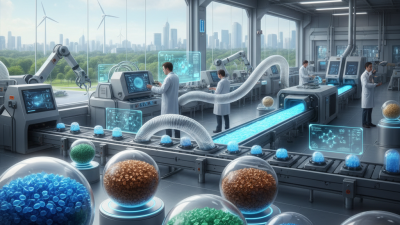
The use of plastic masterbatch in production offers various advantages that can enhance the efficiency and quality of products. This innovative approach involves adding concentrated color or additive pellets to polymers during the manufacturing process. It allows for uniform distribution of color and properties, leading to better aesthetics and functionality. Many manufacturers appreciate how plastic masterbatch simplifies production and reduces waste.
Plastic masterbatch provides consistent coloring, which can influence consumer perception. The bright colors and vibrant finishes achieved through masterbatches can make products more appealing. However, companies must carefully select the right formulations to avoid issues like fading or uneven application.
Moreover, using plastic masterbatch can improve processing performance. The incorporation of additives can enhance properties such as strength, UV resistance, and flame retardancy. Yet, it’s crucial to consider compatibility with the base resin. This balance can be challenging and may require expert input. Proper knowledge and testing are necessary to maximize benefits and minimize drawbacks.
Benefits of Plastic Masterbatch in Streamlining Production Processes
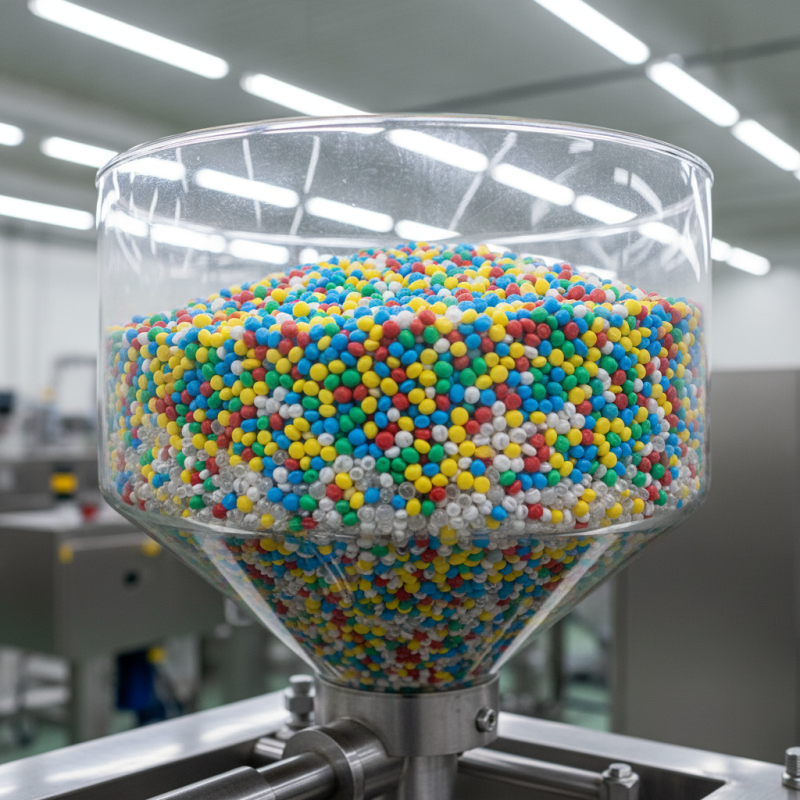
Plastic masterbatch plays a vital role in modern production processes. It simplifies color and additive incorporation in plastics. By using masterbatch, manufacturers can achieve consistent color distribution throughout their products. This leads to improved visual quality and uniformity in finished goods.
Streamlining production is another significant benefit of plastic masterbatch. It reduces the need for extensive equipment modifications. The use of pellets makes it easier to change colors or additives without major downtime. This flexibility allows manufacturers to adapt quickly to changing market demands. However, the initial setup may require careful planning to ensure efficiency.
There are challenges to consider. Not all masterbatches perform equally across various polymers. Compatibility issues can arise, affecting the end product's properties. Manufacturers must experiment to determine the right combinations. This trial and error can feel frustrating but is essential for achieving the best results. Keeping a detailed record of these experiments can lead to future efficiencies.
Benefits of Plastic Masterbatch in Streamlining Production Processes
| Benefit Category | Description | Typical Impact | Example Metric |
|---|---|---|---|
| Color Consistency | Ensures uniform coloration across batches, reducing rework and waste. | +98% consistency | < 2% color variation |
| Improved Material Efficiency | Enables precise pigment and additive dosage, reducing raw material use and costs. | 10-15% raw material savings | Up to 7% cost reduction |
| Enhanced Process Speed | Pre-dispersed additives in masterbatch improve processing times and reduce cycle duration. | 5-10% faster cycle times | 1-3 sec per cycle saved |
| Reduced Waste Generation | Accurate additive usage leads to less off-spec production and fewer rejects. | Waste reduction by 20% | Up to 5% less scrap |
| Improved Product Properties | Consistent additive dispersion enhances mechanical and aesthetic properties of final products. | +12% tensile strength | Smoother surface finish |
| Simplified Inventory Management | Masterbatch consolidates multiple additives, cutting down the number of raw materials handled. | 30% fewer SKUs | Reduce storage space by 25% |
Enhanced Color Consistency with Plastic Masterbatch Usage
Plastic masterbatch is revolutionizing production processes. It helps in achieving enhanced color consistency. In industries where appearance matters, maintaining uniform color is crucial. A slight variation can affect product appeal. Masterbatches offer a refined solution, ensuring uniformity across large batches.
Color inconsistency often leads to customer dissatisfaction. It might seem minor, but a slight shade difference can misrepresent a brand. Using plastic masterbatches can reduce these discrepancies. They are designed to distribute color evenly, providing vibrant, rich hues. This technology creates a more reliable production output.
While benefits are clear, challenges exist. Not all masterbatches achieve the same level of consistency. Variability in raw materials can impact final results. Careful selection and testing of masterbatches are essential. Manufacturers must reflect on their processes to ensure quality control. In the end, the pursuit of perfection in color consistency is ongoing.
Benefits of Using Plastic Masterbatch in Production
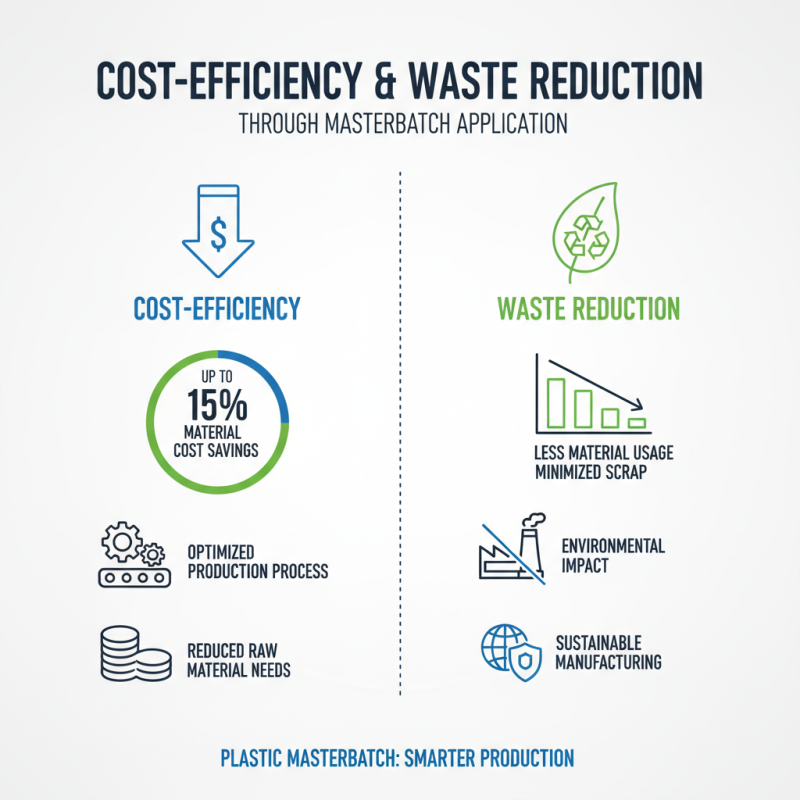
Cost-Efficiency and Waste Reduction through Masterbatch Application
Plastic masterbatch is an effective solution for achieving cost efficiency in production. Studies show that using masterbatches can reduce material costs by up to 15%. This is primarily due to their ability to enhance the performance of base polymers without requiring extensive modifications in the manufacturing process. When producers rely on masterbatches, they can also minimize the amounts of raw materials needed, leading to significant savings.
Waste reduction is another vital advantage of masterbatch application. According to industry reports, companies that integrate masterbatches report a 25% decrease in scrap rates. By ensuring that colors and additives are uniformly distributed, the material's properties improve. This uniformity minimizes defects and unwanted variations in the final products. Consequently, this leads to fewer rejections and a smoother production process overall.
Despite these benefits, challenges still exist. Implementing masterbatch can require upfront investment and training. Moreover, selecting the right type of masterbatch can be complex due to the variety of options available. It is essential to conduct thorough research and trials to find the most suitable solution for specific applications. Balancing costs with performance is crucial, and producers must remain vigilant about these factors.
Improved Polymer Properties Achieved by Using Masterbatches
Using plastic masterbatches can significantly enhance the properties of polymers. These concentrated mixtures contain additives that improve performance in various applications. One key benefit is the enhancement of mechanical properties. Masterbatches can boost tensile strength, impact resistance, and elongation at break. This leads to more durable products that can withstand demanding conditions.
Color and aesthetic appeal are equally important. Masterbatches allow for consistent color distribution, which means vibrant and uniform finishes. Manufacturers can achieve specific colors without compromising the physical properties of the base resin. This technique also reduces wastage of colorant materials, improving production efficiency.
However, there can be challenges in using masterbatches. Not all masterbatches are compatible with every polymer type. This can lead to issues during processing, such as clumping or uneven distribution. It’s critical to choose the correct formulations. Regular testing and adjustments may be necessary. This reflects the need for continuous improvement in production methods. Overall, while mastering the use of plastic masterbatches may require some experimentation, the resulting polymer enhancements can lead to significant benefits in the long run.
Versatility of Plastic Masterbatches in Various Industries
Plastic masterbatches have gained immense popularity across various industries due to their versatility. In 2022, the global masterbatch market reached a value of approximately $15 billion, with projections indicating a compound annual growth rate (CAGR) of 5.6% through 2030. This growth reflects a rising demand for customized plastic solutions in sectors like packaging, automotive, and textiles.
In the packaging industry, plastic masterbatches enhance color consistency and improve surface properties. Reported studies show that adding specific additives can reduce the weight of packaging materials by up to 30%. In the automotive sector, these masterbatches can boost UV resistance and thermal stability. For instance, vehicles manufactured with optimal plastic formulations exhibit a 10% increase in fuel efficiency. Such improvements are not just cost-effective; they also contribute to sustainability efforts.
However, the reliance on plastic masterbatches poses challenges. The environmental impact of certain additives raises concerns about their long-term safety. Moreover, achieving the desired balance between performance and sustainability can be complex. Industries must continuously evaluate the formulations they use to avoid potential drawbacks. As masterbatch technology evolves, staying informed on recent studies and regulations will be crucial for manufacturers committed to innovation and sustainability.
Related Posts
-
Top Compounds for Plastic in 2025 What You Need to Know
-
2025 Top Color Masterbatch Trends Every Manufacturer Should Know
-
2026 Top Trends in Compound for Plastic Innovation and Application?
-
Top 10 Best Color Masterbatch Solutions for Your Projects?
-
How to Choose the Right Plastic Compound for Your Project?
-
Top Plastic Masterbatch Types You Should Know About?