


Blog

What is the Best Filler Compound for Plastic Manufacturing?

In the realm of plastic manufacturing, selecting the right filler compound for plastic is crucial. Filler compounds enhance the properties of plastics, providing strength and durability. Various options exist, each with unique characteristics. Common fillers include talc, calcium carbonate, and glass fibers. Understanding their specific applications helps manufacturers make informed choices.

Choosing a filler compound for plastic is not always straightforward. Different applications demand tailored solutions. The goal is to achieve the best balance between cost and performance. Manufacturers must consider factors such as compatibility, processing conditions, and the desired end-use properties. This can lead to challenges in selecting the ideal material.

Despite advancements in technology, there can be discrepancies in performance. Research is ongoing to improve filler compounds. The focus is on sustainability and reducing environmental impact. As the industry evolves, staying updated on the latest developments is essential. A thoughtful approach to selecting filler compounds can lead to innovative solutions.
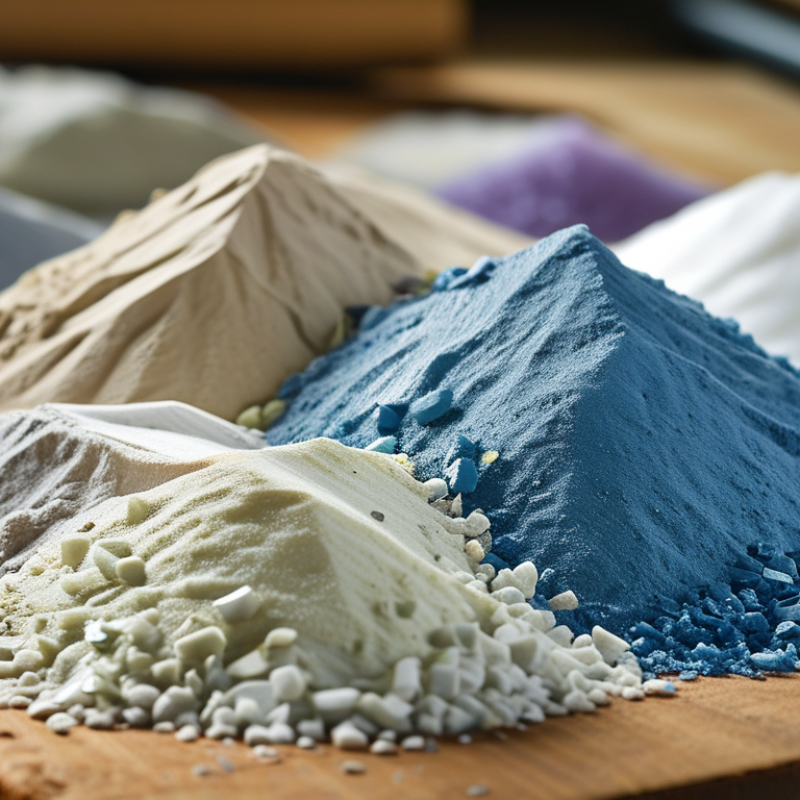
What is the Best Filler Compound for Plastic Manufacturing?

What is Filler Compound in Plastic Manufacturing?

Filler compounds play a crucial role in plastic manufacturing. These materials are added to plastic formulations to improve various properties. Common fillers include talc, calcium carbonate, and silica. They enhance strength, reduce cost, and provide better dimensional stability.

Understanding the function of fillers is essential. They occupy space in the plastic matrix, which can lead to reduced weight. This is particularly important for industries focused on efficiency. The choice of filler impacts the final product's characteristics, such as rigidity and impact resistance. However, not all fillers suit every application. Some may introduce brittleness, while others could affect color or texture. It’s important to test different fillers to find the best fit for specific needs.

Technical challenges can arise when incorporating fillers. The compatibility of fillers with resins is key. Poor matching may lead to separation or uneven distribution. This can create weak points in the final product. Manufacturers must consider these factors when selecting fillers. Balancing performance with cost is often a daunting task.

Types of Filler Compounds Used in Plastic Production

Filler compounds play a crucial role in plastic manufacturing. They enhance strength, reduce costs, and improve processing capabilities. Common fillers include calcium carbonate, talc, and glass fibers. Each offers unique benefits to manufacturers.

Calcium carbonate is widely used. It can reduce production costs by up to 20%. However, excessive use may affect the mechanical properties of final products. Talc is another popular choice, providing stiffness and enhancing thermal stability. Studies indicate that talc can improve impact resistance by 30%.

Glass fibers are used for high-strength applications. They increase strength significantly, yet their higher costs cannot be overlooked. As reported by a leading industry research firm, the use of fillers could reach a market value of $15 billion by 2025. The challenge lies in balancing performance with cost and sustainability considerations in filler selection. Manufacturers must reflect on their choices to ensure optimal outcomes.

Types of Filler Compounds Used in Plastic Production

Key Properties of Effective Filler Compounds

When choosing a filler compound for plastic manufacturing, understanding key properties is essential. Effective fillers enhance the properties of plastics, improving their mechanical strength and durability. They can also reduce production costs, offering better value. Common fillers include talc, calcium carbonate, and mica, each with distinct benefits.

Talc improves the rigidity of plastics. It also provides a smooth surface finish.
Calcium carbonate is often favored for its cost-effectiveness and role in increasing volume without compromising quality.
Mica offers excellent thermal stability and resistance, making it ideal for specific applications. However, each filler can also introduce challenges. Talc can sometimes affect the color of the plastic. Mica’s high cost may not suit all budgets.

Tips: Always assess the intended application of the plastic. What works for one product may not suit another. Involving professionals during the material selection process can provide valuable insights. Collaborate with engineers to determine the best approach for your specific needs. Remember, the goal is to balance performance and cost effectively.

Impact of Fillers on Plastic Mechanical Properties and Durability

Fillers play a crucial role in enhancing the mechanical properties and durability of plastic materials. According to a report by the International Journal of Polymer Science, incorporating fillers can increase tensile strength by up to 50%. Common fillers include calcium carbonate, talc, and glass fibers. Each type of filler contributes uniquely to the material's performance. For instance, glass fibers significantly improve stiffness and tensile strength but can lead to brittleness if overused.

The choice of filler affects not only strength but also impact resistance and heat stability. A study published in the Journal of Materials Science found that using a balanced mix of fillers can optimize performance characteristics. However, achieving this balance can be challenging. Some fillers may enhance strength but compromise ductility, leading to failure under stress. Manufacturers must consider the end-use of the plastic parts when making these decisions.

Additionally, the long-term durability of filled plastics can be influenced by environmental factors. UV exposure can degrade certain fillers, reducing their effectiveness. A report from the American Chemical Society suggests regular testing of filled plastics to ensure reliability over time. In plastic manufacturing, selecting the right filler is a complex task that requires expertise and careful consideration of trade-offs.

Market Trends and Future Prospects for Plastic Fillers in Industry

The plastic filler market is evolving rapidly. Manufacturers seek efficient and cost-effective solutions. This trend is driven by growing sustainability demands. As environmental regulations tighten, the use of natural fillers is gaining popularity. These options reduce the carbon footprint and enhance biodegradability.

Industry players are exploring innovative materials to meet these challenges. Options like cellulose, bamboo, and starch are on the rise. They offer decent performance while being environmentally friendly. However, efficiency can vary based on the application. Some natural fillers may not match synthetic alternatives in strength or durability.

Looking ahead, the market will likely focus on balancing performance and sustainability. Research into hybrid fillers is promising. However, challenges remain in ensuring consistent quality. Overall, the quest for the best filler continues, with an ongoing dialogue about environmental impact versus performance.

Register now