



Blog
2026 Best Innovations in Plastic Moulding Industry for Buyers?
The Plastic Moulding Industry is evolving rapidly, driven by a blend of innovation and technology. In 2026, significant advancements are emerging that are reshaping this sector. These innovations focus on efficiency, sustainability, and precision. Companies are investing in new methods that streamline production processes.
Buyers will benefit from understanding these trends. Enhanced materials and techniques promise better quality and reduced waste. For instance, biodegradable plastics are becoming more common, addressing environmental concerns head-on. However, the adoption of these innovations requires careful consideration.
Challenges remain, including costs and integration into existing systems. Not all innovations will suit every buyer's needs. Identifying which advancements align with specific requirements is crucial. As the industry progresses, staying informed is necessary for making sound investment decisions.
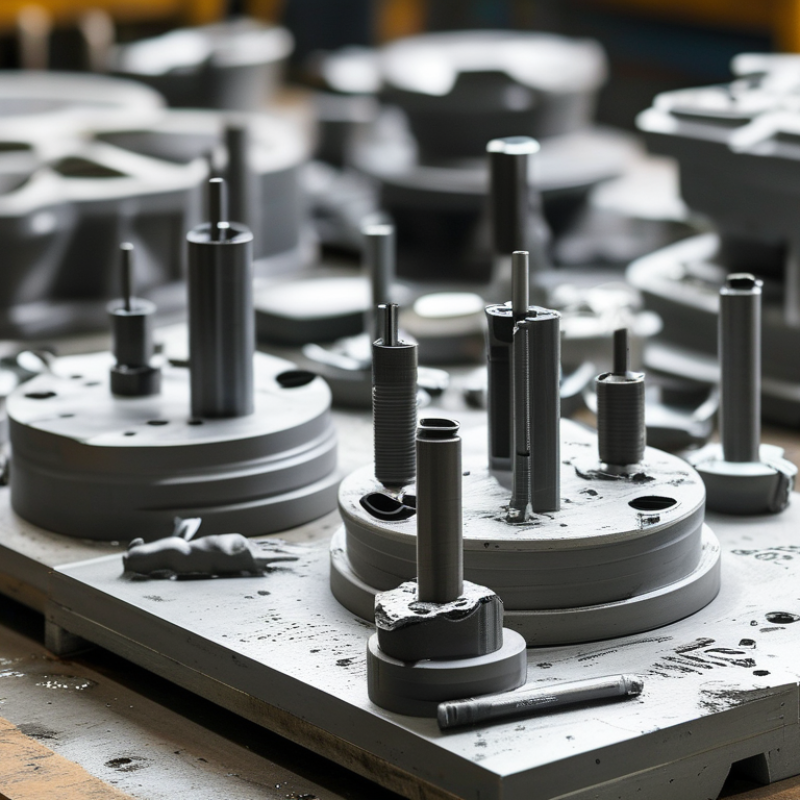
Emerging Trends in Plastic Moulding Innovations for 2026
The plastic moulding industry is set to experience remarkable innovations by 2026. As sustainability continues to gain momentum, companies are increasingly adopting eco-friendly materials. These materials, derived from renewable sources, enhance the lifecycle of products while reducing environmental impact. Recycling and biodegradable options are becoming mainstream, pushing traditional plastic boundaries. This shift not only appeals to eco-conscious buyers but also meets regulatory demands.
Another emerging trend is the integration of smart technologies in moulding processes. Automation and AI-driven solutions streamline production, improve quality, and reduce costs. Sensors can monitor material properties in real-time, ensuring consistency and minimizing waste. These advancements present a learning curve for manufacturers and may require investment, but the long-term benefits are significant.
**Tips:** Consider evaluating your current suppliers for their commitment to sustainability. Engage manufacturers who prioritize renewable materials. Stay updated on tech advancements; they may change your workflow. Embrace change cautiously. Continuous learning is essential for adapting to these trends and making informed purchasing decisions.
2026 Innovations in Plastic Moulding Industry
Key Technologies Shaping the Future of Plastic Moulding Industry
The plastic moulding industry is experiencing transformative changes. Key technologies are defining its future. According to recent reports, advancements in automation and precision engineering are enhancing production efficiency. Industry experts note that automated systems can reduce cycle times by up to 30%. This is critical for meeting rising consumer demands.
Another significant development is the integration of sustainable materials. A study by the Global Plastics Alliance revealed that 70% of companies are investing in bio-based or recycled plastics. These innovations not only address environmental concerns but also attract eco-conscious buyers. This shift is shaping purchasing decisions, as quality and sustainability become essential.
However, companies face challenges in adopting these technologies. High initial costs and the need for skilled workers can hinder progress. Many smaller firms struggle to keep pace with larger competitors. The industry's future lies in balancing innovation with accessibility. Continuous investment in research and development is vital for overcoming these obstacles.
Sustainable Practices in Plastic Moulding: Innovations for Eco-Friendly Solutions
The plastic moulding industry is experiencing a significant shift towards sustainability. New innovations are emerging, promoting eco-friendly practices. According to a recent industry report, nearly 30% of plastic manufacturers are investing in biodegradable materials. This trend shows a deep commitment to reducing plastic waste.
One noteworthy advancement involves the use of recycled plastics. Companies are now integrating mechanical and chemical recycling methods into their moulding processes. This not only cuts down on virgin material consumption but also reduces energy usage by up to 40%. However, the challenge remains in the consistency and quality of recycled materials.
While many firms are adopting sustainable practices, not all efforts are effective. Some processes may yield plastics that fail to meet quality standards. The industry must address these issues to build consumer trust. Implementing stringent evaluation criteria can help ensure that innovations truly benefit the environment. Ultimately, the progression towards sustainability in plastic moulding represents both an opportunity and a responsibility for manufacturers.
Impact of Automation and AI on Plastic Moulding Efficiency and Quality
The plastic moulding industry is witnessing a transformative shift due to automation and artificial intelligence (AI). Reports indicate that automation can enhance production efficiency by up to 30%. This improvement stems from reduced cycle times and minimized human error. AI, particularly, plays a critical role in predictive maintenance. By analyzing data from machines, AI can anticipate failures before they occur, reducing downtime significantly.
Furthermore, higher quality assurance is achievable through machine learning algorithms. These systems analyze product dimensions and flaws in real-time. Such innovations can increase defect detection rates by 25%. However, the integration of these technologies is not without challenges. Many operators face a steep learning curve. Training staff to work alongside automated systems remains a significant barrier.
A 2023 survey by industry experts revealed that 58% of companies struggle with data integration. This gap highlights the need for robust IT infrastructure. Investing in technology is essential, yet the costs can be daunting. While the potential benefits are clear, the path to full automation requires careful planning and adaptation across the workforce. The balance between efficiency and quality hinges on both technological advancements and human expertise.
Consumer Demands Driving Innovations in Plastic Moulding Products and Services
Consumer demands are driving significant innovations in the plastic moulding industry. Buyers increasingly seek sustainable solutions and higher quality products. This shift pushes manufacturers to reevaluate their processes. Eco-friendly materials are gaining traction. Companies are exploring biodegradable plastics and recycling technologies. The focus is not just on performance but also on environmental impact.
When considering new products, buyers should look for transparency in sourcing materials. Understanding the lifecycle of products can help in making informed choices. Ask suppliers about their sustainability practices. This adds a layer of accountability.
Innovation is not just about new materials. Enhancements in production methods are crucial. Automation and advanced technologies are reshaping plastic moulding. This can improve efficiency, reduce costs, and maintain quality. However, it’s essential to balance technological advancement with ethical considerations. Continuous learning and adaptation are necessary in a fast-paced industry. Embrace creativity but reflect on the long-term effects of new developments.
2026 Best Innovations in Plastic Moulding Industry for Buyers
| Innovation Type | Description | Application | Sustainability Impact |
|---|---|---|---|
| Biodegradable Plastics | Plastics made from natural materials designed to decompose. | Packaging, disposable cutlery, and containers. | Reduces environmental pollution by breaking down faster. |
| 3D Printing Technology | Additive manufacturing processes for creating complex shapes. | Custom prototypes, parts, and low-volume production. | Minimizes waste compared to traditional manufacturing. |
| Smart Moulding Techniques | Integration of IoT to monitor moulding processes. | Quality control and predictive maintenance. | Enhances operational efficiency, reducing energy use. |
| Recycled Plastic Usage | Utilizing post-consumer recycled materials in new products. | Consumer goods and automotive parts. | Helps close the loop in plastic lifecycle. |
| Advanced Injection Moulding | Improved techniques for more accurate moulding. | Electronics and medical devices. | Reduces defects and material waste. |