

Blog
2026 Best Color of Plastic for Global Buyers?
Choosing the best color of plastic in 2026 will require more than following fashion. Global buyers must balance appearance, performance, cost, and regional expectations. A bright blue may attract attention in packaging, yet become unstable under outdoor sunlight. A warm gray can look premium, but recycled resin may create slight shade variation.
Leatrice Eiseman, executive director of the Pantone Color Institute, has said, “Color is a silent language.” That idea matters in plastic sourcing. Color communicates cleanliness, durability, affordability, or technical confidence before customers touch the product. However, color decisions should also reflect the material itself. Polypropylene, ABS, PVC, and recycled polyethylene can accept pigments differently. Surface texture changes the result, too. Matte plastic absorbs light, while polished plastic makes colors appear stronger.
In my experience with international product development, reliable buyers request physical color chips, not only digital renderings. They compare samples under warehouse light, daylight, and retail lighting. They also ask suppliers about masterbatch compatibility, UV resistance, food-contact requirements, and batch-to-batch control. Small differences can become visible across thousands of units. Sometimes the most attractive sample is not the safest production choice. That deserves reflection.
The strongest 2026 color of plastic may therefore be a practical compromise: recognizable, stable, recyclable, and suitable for several markets. Soft neutrals, deep greens, muted blues, and natural earth tones may remain useful. Still, trends can mislead. A successful color must survive manufacturing realities, shipping conditions, and customer expectations. Global buyers should test before committing.
Plastic Color Trends Shaping Global Buyer Preferences in 2026
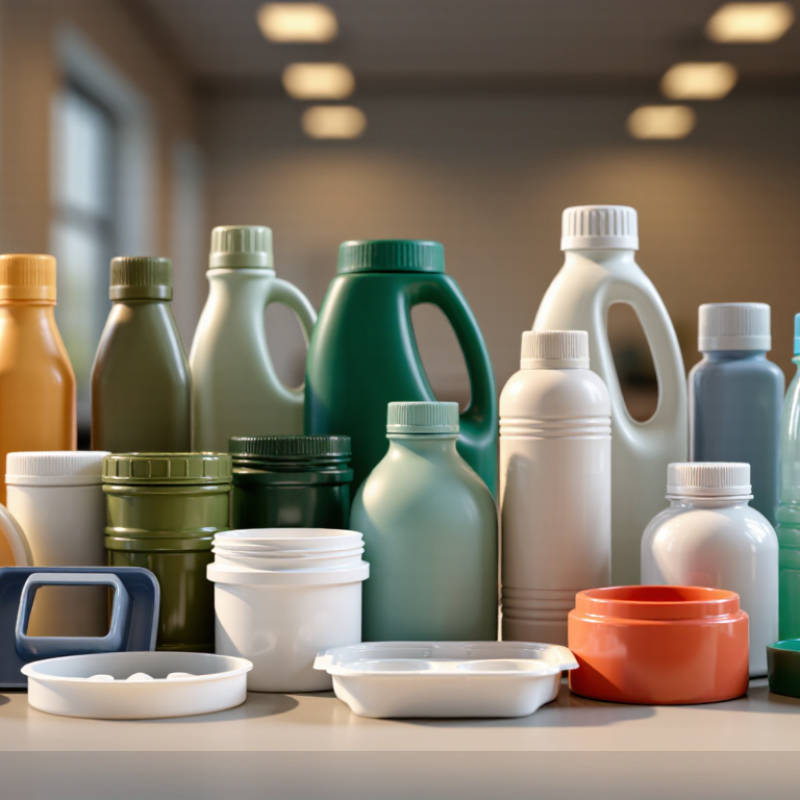
In 2026, plastic color will reflect more than visual taste. Global buyers increasingly connect color with recyclability, material quality, and product transparency. Natural white, soft beige, muted green, and clear finishes are gaining attention because they suggest lower processing complexity. The signal is not always accurate. A green package can still contain difficult additives.
The OECD’s Global Plastics Outlook reports that only 9% of plastic waste was recycled worldwide in 2019. This gap is influencing purchasing discussions. Buyers now ask whether pigments affect sorting, food-contact safety, and recycled-content quality. Very dark shades, especially carbon-black effects, may confuse optical sorting systems. Clear or lightly tinted plastics usually offer more recovery options. Small speckles can communicate recycled content, but inconsistent flakes may look like defects.
Clear or lightly tinted plastics usually offer more recovery options.
Material performance still leads.
European Bioplastics’ 2024 market update projects global bioplastics production capacity to rise from about 2.28 million tonnes in 2024 to 5.07 million tonnes by 2029. This growth may encourage buyers to explore milky, translucent, and earthy tones for bio-based products. However, color alone cannot prove a material’s origin. Procurement teams should request resin documentation, pigment details, and recycling guidance.
I have seen attractive colors pass early reviews, then fail during sorting trials. That uncomfortable lesson matters.
Trends should support engineering decisions, not replace them.
How Plastic Color Affects Product Function and Market Appeal
2026 Best Color of Plastic for Global Buyers?
Plastic color affects far more than visual appeal. It can influence heat absorption, surface durability, inspection accuracy, and buyer confidence. Dark plastics usually absorb more sunlight, which may increase surface temperature during outdoor use. Light colors can reduce this effect, but they may show stains, scratches, or handling marks more clearly. Transparent plastic supports product visibility, yet it can reveal bubbles, dust, and uneven flow lines. Color consistency also matters. A slight shade difference between production batches can make a product look unreliable on a retail shelf.
Market appeal depends on context. Soft, neutral colors often suggest cleanliness and technical quality. Bright colors may attract attention in household or recreational products. However, preferences vary across regions, age groups, and application settings. Color should support the product’s purpose, not hide weak material performance. Testing under sunlight, heat, moisture, and repeated cleaning is more dependable than choosing from a screen. A color sample can look excellent in a showroom and disappoint outdoors. That is worth admitting.
Tips: Define the use environment before selecting a color. Compare samples under natural and artificial light. Check whether the pigment affects impact strength or surface temperature. Keep approved color standards with measurable references. Ask local buyers about cultural preferences, but do not treat small survey results as universal truth. Also, review packaging and storage conditions. Dark surfaces can become surprisingly hot inside containers. Simple testing often reveals what visual judgment misses.
Key Factors for Choosing Plastic Colors Across Global Markets
2026 Best Color of Plastic for Global Buyers?
Plastic color selection now depends on more than visual appeal. It must work across lighting, recycling systems, and cultural preferences. Global buyers should compare resin type, pigment stability, product use, and local recovery infrastructure before approving a color.
A practical choice is a light, solid shade with detectable pigments. Dark carbon-black colors may challenge near-infrared sorting equipment. The Association of Plastic Recyclers highlights this issue in its Design Guide for Plastics Recyclability. This matters because the OECD Global Plastics Outlook reported 353 million tonnes of plastic waste in 2019. More packaging needs sorting accuracy, not just shelf impact.
Market conditions also change the answer. European buyers may prioritize recycled-content visibility and muted, natural tones. Buyers in hot regions should test color fading after outdoor exposure. Asia-Pacific markets often need stronger color consistency across large production runs. The International Colour Authority’s 2024 Global Colour Report notes growing interest in calm, nature-linked palettes, but trend data cannot replace physical testing.
Test samples under warehouse LEDs, sunlight, and retail lighting. Check gloss, scratches, batch variation, and recycled-resin specks. A perfect shade on a laboratory plaque may look uneven in production. That is easy to underestimate.
Buyers should request spectrophotometer data, migration documentation, and aging results before placing volume orders. A universal best color does not exist; the most reliable choice balances recognition, durability, sorting compatibility, and regional expectations.
Best Plastic Color Options by Industry and Product Type
2026 Best Color of Plastic for Global Buyers?
Plastic color should serve the product, not merely attract attention. Global buyers often select white, black, gray, or natural tones because they fit many markets. However, the best option depends on industry and product use.
For food containers, translucent white and soft neutral colors can suggest cleanliness. They also make stains and product levels easier to inspect. Medical components often use white, blue, or light gray for a controlled appearance. These colors require stable pigments and careful surface inspection. For outdoor furniture, construction parts, and agricultural equipment, darker colors can hide dust and handling marks. Yet dark plastic may absorb more heat under strong sunlight. That detail is easy to overlook.
Consumer electronics usually benefit from black, graphite, silver-gray, or muted custom colors. These shades can support a precise, technical image. Household storage products may use clear, beige, or pastel tones for easier room coordination. Automotive and industrial parts need more than visual appeal. Color must remain consistent after molding, cleaning, friction, and temperature changes. We recommend checking molded samples, not only digital files. Screen colors can mislead buyers.
Recycled or mineral-filled plastic may show slight variation between production batches. That is not always a defect, but it needs agreement before mass production. We have seen attractive samples fail because the color changed around corners. A small test can prevent a large dispute. Buyers should confirm pigment compatibility, UV resistance, gloss level, and acceptable color tolerance with the manufacturer. No color chart is perfect. Real production conditions matter more.
2026 Best Color of Plastic for Global Buyers? - Best Plastic Color Options by Industry and Product Type
| Industry | Typical Product Type | Recommended Plastic Color | Primary Functional Reason | Key Buyer Considerations | Color Selection Priority | Indicative Suitability |
|---|---|---|---|---|---|---|
| Food and Beverage | Packaging containers, lids, trays and caps | Clear or Natural | Clear packaging supports product visibility, while natural or lightly tinted colors are commonly used when opacity and a simple appearance are preferred. | Check food-contact compliance, light and oxygen protection requirements, migration limits, and compatibility with the selected resin. | Product visibility and regulatory compliance | High |
| Consumer Electronics | Housings, bezels, cable parts and internal components | Black | Black provides a neutral technical appearance and can help conceal dust, minor scratches and internal components. | Confirm flame-retardant requirements, UV stability for exposed products, surface-finish expectations, and electrical performance. | Appearance, durability and engineering performance | High |
| Automotive | Interior trim, under-hood parts and exterior components | Black | Black is widely used for automotive components because it offers a technical appearance and can provide good visual consistency across many parts. | Evaluate heat aging, UV exposure, chemical resistance, low-temperature impact strength, color variation and long-term weathering. | Heat, weathering and chemical resistance | High |
| Construction | Pipes, fittings, drainage products and protective parts | Black Gray | Dark colors can reduce the visibility of dirt and are often selected for outdoor products where long service life and practical maintenance are important. | Check outdoor UV exposure, pressure rating, thermal expansion, installation standards and whether color identifies a service or pipe system. | Service life and application identification | High |
| Electrical and Power Distribution | Cable ducts, junction boxes, conduit accessories and enclosures | Gray Black | Gray and black provide a neutral technical appearance and are suitable for products where visual cleanliness and component differentiation are useful. | Verify insulation, flame-retardant performance, dielectric requirements, outdoor durability and local electrical standards. | Safety performance and installation environment | High |
| Medical and Laboratory | Trays, housings, instrument parts and sample containers | White Clear | White makes visible contamination easier to identify, while clear parts support inspection of samples, fluids or internal conditions. | Confirm sterilization compatibility, chemical resistance, biocompatibility where applicable, cleanability and product-traceability needs. | Hygiene, inspection and material compatibility | High |
| Agriculture | Irrigation fittings, trays, plant containers and equipment parts | Black Green | Black is practical for light-blocking and dirt concealment; green is often chosen when visual integration with plants or outdoor environments is desired. | Assess UV stabilization, moisture exposure, fertilizer and pesticide contact, impact resistance and seasonal temperature changes. | Outdoor durability and light management | High |
| Retail and E-Commerce | Display packaging, storage boxes and reusable containers | White Natural | White and natural colors support a clean, simple appearance and provide a suitable base for printing, labeling and product information. | Consider print contrast, scuff visibility, coating compatibility, recycled-content appearance and packaging recycling requirements. | Brand-neutral appearance and printability | High |
| Household and Storage | Bins, organizers, laundry products and utility containers | Gray Blue | Gray is practical for concealing everyday marks, while blue can improve category separation and product recognition. | Review stain resistance, cleaning-chemical compatibility, impact strength, color consistency and indoor or outdoor use. | Maintenance and product differentiation | High |
| Safety and Emergency Equipment | Warning barriers, helmets, handles and protective accessories | Yellow Orange | High-visibility colors improve visual detection and can support hazard communication in workplaces and public areas. | Confirm applicable safety standards, contrast requirements, outdoor color retention, impact performance and reflective-feature compatibility. | Visibility and safety communication | High |
| Waste Management and Recycling | Collection bins, sorting containers and handling equipment | Blue Green | Distinct colors can support visual separation of collection streams and make container identification easier. | Use local collection-color conventions where applicable, and evaluate contamination visibility, UV stability and repeated washing. | Stream identification and durability | High |
| Industrial Equipment | Machine guards, handles, covers and material-handling parts | Gray Black | Neutral dark colors provide a professional appearance and generally reduce the visual impact of oil, dust and routine handling marks. | Check abrasion, impact, temperature, chemical exposure, antistatic needs and workplace color-coding requirements. | Operational durability and maintenance | High |
| Water Treatment and Plumbing | Valves, fittings, housings and service components | Blue Black | Blue can assist with visual identification in water-related systems, while black is practical for components exposed to soil, moisture and outdoor conditions. | Verify potable-water approval where relevant, pressure performance, chlorine or chemical exposure, UV resistance and temperature range. | System identification and environmental resistance | High |
| Furniture and Interior Products | Chair components, panels, fittings and decorative accessories | Natural White | Natural and white tones fit a broad range of interior styles and provide a neutral base for decorative finishes. | Consider scratch visibility, light stability, surface texture, cleaning agents, indoor air requirements and color matching between components. | Design flexibility and surface appearance | High |
| General Reusable Products | Reusable boxes, totes, pallets and transport containers | Blue Gray | Blue and gray are practical, easy to distinguish in logistics environments and suitable for products that receive frequent handling. | Evaluate load-bearing performance, impact resistance, wash cycles, UV exposure, stacking behavior and recycled-material color variation. | Identification and repeated-use durability | High |
Buyer note: Color selection should never replace resin qualification or compliance testing. Final decisions should account for polymer type, pigment or masterbatch compatibility, UV and heat exposure, regulatory requirements, recycled content, surface finish, color tolerance and end-of-life sorting conditions.
Practical Guidelines for Sourcing Plastic in 2026
In 2026, plastic color should support performance, identification, and responsible sourcing. It should not be chosen for appearance alone. A dark color may hide contamination, while a light shade can reveal surface defects quickly. Color is not proof.
Ask suppliers for a written color specification, material grade, additive details, and acceptable color tolerance. Request molded samples from the same production process. Compare them under daylight and factory lighting.
Small differences can appear after cooling, recycling, or exposure to ultraviolet light. Test it.
Confirm whether the plastic is virgin, recycled, or blended. Ask for traceability records and recent quality reports.
Recycled material may vary between batches, so your purchase order should define limits for color, moisture, impact strength, and contamination. Keep records.
Before placing a large order, inspect a pilot batch. Check pellets, molded parts, packaging, and labeling. A capable supplier should explain its testing equipment and corrective-action process clearly. Independent testing can be useful when the application is sensitive or customer requirements are strict. Do not rely only on photographs.
Sourcing teams should also review minimum order quantities, lead times, storage conditions, and backup supply options. These details affect the real cost of colored plastic.
I have seen buyers approve a perfect sample, then receive a noticeably different production shade. The missing control was not color selection; it was weak batch approval.
No sourcing plan is perfect. Review the specification after each shipment, especially when recycled content or additives change.
Related Posts
-
How to Choose the Right Color of Plastic in 2026?
-
Exploring the Science Behind Color on Plastic: How Pigments Transform Materials
-

2025 Top Color Masterbatch Trends Every Manufacturer Should Know
-
What are the Benefits of Using Plastic Masterbatch in Production?
-
Top Plastic Masterbatch Types You Should Know About?
-

2026 How to Choose the Right Plastic Masterbatch for Your Project?