


Blog

What are the Best Plastic Fillers for Your Needs?

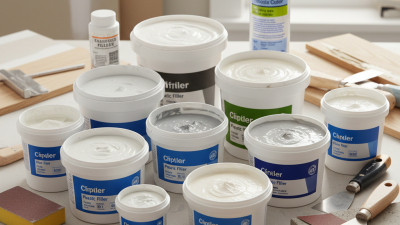
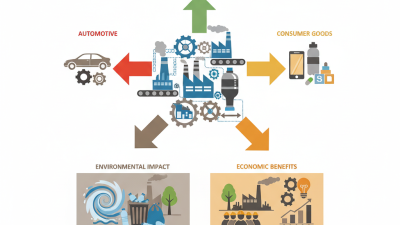
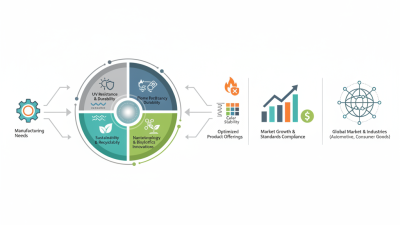
Choosing the right plastic filler can significantly impact your project outcomes. According to industry reports, the plastic filler market is projected to grow at a CAGR of 5.6% from 2023 to 2030. This statistic underscores the increasing importance of selecting quality fillers for various applications, whether in construction, automotive, or DIY tasks.

Different types of plastic fillers cater to specific needs. Professionals may prefer epoxy fillers for their strength and durability. In contrast, lightweight spackling compounds might be more suitable for minor repairs. Understanding these distinctions helps in making informed choices that lead to better results. However, many users face challenges in selecting the right product. Misjudging the application requirements can lead to subpar finishes.

Moreover, while many fillers claim to be versatile, they may not perform well in every scenario. It’s essential to consider the material compatibility and curing times. The right plastic filler can enhance aesthetics and ensure longevity. Yet, the wrong one can cause more harm than good. Choices should be made with careful thought to avoid disappointing outcomes.
What are the Best Plastic Fillers for Your Needs?

Understanding the Different Types of Plastic Fillers Available

Plastic fillers come in various types, each suited for specific applications. Understanding these differences is essential for effective use. For instance, thermoplastics are often favored for their flexibility and heat resistance. Data from industry reports indicate that thermoplastic fillers are becoming increasingly popular in construction and automotive sectors, attributed to their durability.

Another common type is thermosetting fillers. Unlike thermoplastics, they harden permanently upon curing. This makes them ideal for applications requiring strong bonds and high strength. According to recent market analysis, thermosetting fillers gained a 15% market share due to their excellent resistance to chemicals and temperature fluctuations. However, their rigidity can pose challenges in certain applications, leading to potential compatibility issues with softer materials.

When selecting a plastic filler, it’s crucial to consider the specific properties needed. For example, moisture resistance might be critical in marine applications. Yet, some fillers might lack flexibility, leading to cracks or breaks under stress. The goal is to find a balance that fulfills requirements while minimizing potential drawbacks. Exploring these options carefully can lead to better performance in projects.

What are the Best Plastic Fillers for Your Needs?

Type of Plastic Filler Best Uses Curing Time Sandability Finish
Epoxy Filler Repairing cracks in hard plastics 1-2 hours Excellent Smooth, paintable surface
Polyester Filler Auto body repairs, surface imperfections 30-60 minutes Good High gloss finish
Acrylic Filler Interior and exterior repairs 1-3 hours Moderate Smooth, can be painted
Vinyl Filler Flexible repairs, vinyl materials 1 hour Fair Matte finish
Foam Filler Larger gaps, insulation 2-4 hours Limited Textured, can be painted

Key Factors to Consider When Choosing a Plastic Filler

When selecting a plastic filler, several key factors come into play. The type of project greatly influences your choice. According to a report from the Plastic Industry Association, about 65% of professionals choose fillers based on the material compatibility. That means understanding the base material is crucial. For instance, epoxies bond well with hard plastics while polyurethanes work effectively with softer variants.

Durability is another vital consideration. Research indicates that fillers can lose strength over time. Approximately 40% of users report issues with filler longevity in outdoor applications. This highlights the need for thorough research on environmental resistance and adhesion properties. Testing small patches before full application can help gauge performance and longevity.

Ease of application also matters. Many project leaders emphasize the importance of user-friendly solutions. Some products require fewer steps, saving time. However, rushing can lead to a less than perfect finish. Regular feedback from experienced users suggests that patience during application can yield better results, enhancing aesthetics and stability.

Application Techniques for Effective Use of Plastic Fillers

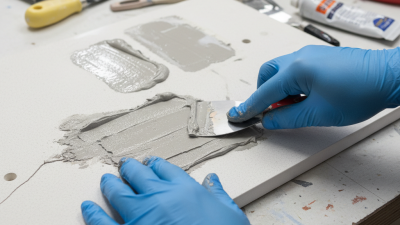
When working with plastic fillers, application techniques are crucial. Proper preparation of the surface can make a significant difference. Start by cleaning the area thoroughly to remove dirt and grease. A rough surface can enhance adhesion. Lightly sanding the area can promote better infiltration of the filler into the substrate. This helps the filler bond more effectively.

Using the right tools also matters. A putty knife allows for a smooth application and controlled leveling. Apply the filler in thin layers. This not only speeds up drying time but also reduces the likelihood of cracking. After the filler dries, sand it down gently. This step ensures a seamless finish with the surrounding material. Aim for flatness and avoid visible edges.

Adjust your technique based on the size and depth of the area to be filled. Large holes may require multiple applications, while smaller imperfections might only need a single layer. Watch for shrinkage during the curing process; sometimes, a second application is necessary. Observe the filler as it dries, noting any changes. These reflections will help improve your technique over time.

Top Recommendations for Plastic Fillers Based on Use Cases

Choosing the right plastic filler can be challenging. Different projects require different solutions. For automotive applications, a flexible filler is essential. It ensures a seamless finish and can endure vibrations and temperature changes. For smaller repairs, such as fixing cracks in plastic items around the house, a fast-drying filler is beneficial. It allows for quick fixes and reduces downtime.

When working on larger surfaces, look for a filler that offers excellent adhesion. It should bond well to various types of plastics. Some users report issues with certain fillers not adhering properly, leading to the need for reapplication. Painstaking preparation can help prevent this. Always clean the area thoroughly before applying any filler.

For those in creative projects, consider fillers that can be sanded easily. This feature allows for greater customization. Sometimes, the finish may not blend perfectly, requiring additional sanding or painting. It can be frustrating but is part of the learning process in achieving that professional look. Remember, experimentation is key to finding what works best for your needs.

Tips for Storing and Maintaining Plastic Fillers Properly

Storing and maintaining plastic fillers properly is crucial for their longevity and effectiveness. First, store your fillers in a cool, dry place. High temperatures and humidity can alter their properties. You might find that leaving them exposed can cause issues. Consider using airtight containers to keep moisture away. This simple step can prevent premature drying or hardening.


Regular maintenance of your plastic fillers is equally important. Check for any signs of drying every few weeks. If you notice them starting to harden, using a small amount of solvent can sometimes rejuvenate them. Make sure to keep your tools clean as well. Contaminants can spoil your fillers and lead to unsatisfactory results.

Reflect on your usage habits. Are you drawing from the same container multiple times? This can introduce air and degrade the material. Finding a balance between usability and preservation may require adjustments. Learning from these experiences will only enhance your skill and ensure the fillers serve you well for future projects.

Register now