



Blog

Best Practices for Book Printing Inspection Process?

In the world of publishing, the importance of Book Printing Inspection cannot be overstated. This process ensures that every printed page meets quality standards. Authors and publishers invest significant resources into their works. Any oversight during printing can lead to costly errors. Color discrepancies, misaligned text, or damaged covers are just a few issues that can arise.

Effective inspection practices are essential for maintaining high-quality standards. They prevent defects that could damage a book's reputation. Engaging quality control specialists can enhance the inspection process. They possess the expertise to identify subtle flaws that may go unnoticed. However, some processes may still fall short, leading to compromises in quality. An imperfect inspection can result in disappointment for both publishers and readers. It is crucial to reflect on these shortcomings to improve future practices. By addressing these challenges, the industry can ensure better outcomes.

In conclusion, investing time in the Book Printing Inspection is vital. It helps preserve the integrity of a book, creating a positive experience for all stakeholders. A thorough inspection process ultimately leads to satisfaction and success in the competitive publishing landscape.
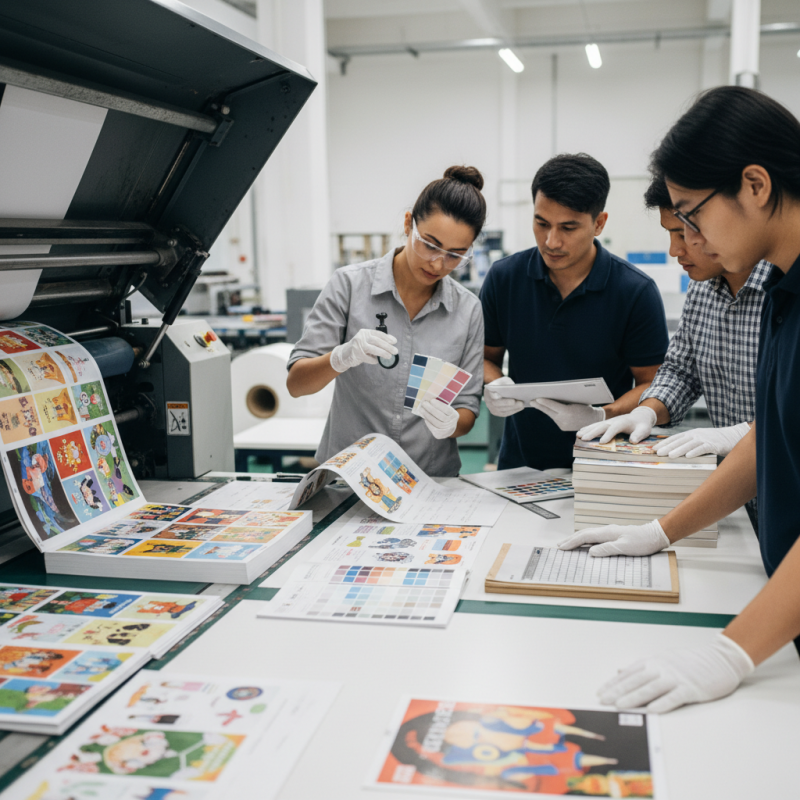
Best Practices for Book Printing Inspection Process?

Best Practices for Book Printing Inspection Process: An Overview

In the realm of book printing, a meticulous inspection process is crucial. Quality checks should cover multiple stages: pre-press, during printing, and post-press. According to industry reports, errors can cost publishers up to 30% of their budget. Implementing best practices can minimize such losses.

Inspect every proof thoroughly. This initial step often reveals issues that arise during formatting or layout. Even minor discrepancies can lead to significant setbacks later. Engage a second pair of eyes for fresh insights. Errors often hide in plain sight, especially after long hours of review.

Tip: Use a checklist for each inspection phase. It keeps the process organized and thorough. Ensure that color accuracy and alignment are on your list. Catching these details early can save resources.

In post-press inspection, check binding and trimming. Misalignment can result in copies that look unprofessional. Stay aware that not every defect is apparent at first glance. Regular training for the team can foster better observation skills. Aim for a culture of continuous improvement in quality assurance.

Understanding the Importance of Quality Control in Book Printing

Quality control is critical in book printing. It ensures that every page, every color, and every detail meets expectations. An effective inspection process can identify flaws early. This saves time and money. During printing, checks should happen frequently. A team member could check ink consistency. Another could ensure margins are correct. These small steps matter.

Many overlook the significance of the final product's appearance. Faded images or blurred text can affect readership. Customers want to connect with the content. If the visual quality falters, it risks losing their interest. Regular training for staff is vital. They should understand the standards and expectations. Yet, implementing such training can face challenges.

Mistakes will happen, even with strict guidelines. A book might still have a misaligned cover. It's important to stay flexible and adaptable. Accepting that imperfections exist is part of the process. Learning from these errors can lead to improvements. Reflecting on each project's outcome helps create a better system for the next run. Quality control is not just a step; it’s a journey in book printing.

Key Metrics and Standards for Measuring Printing Quality

In the book printing inspection process, key metrics play a crucial role. Color accuracy is one of the most important aspects. Use color swatches to compare printed pages with the original design. This helps to spot discrepancies early. Edges must be sharp and clear. Any blurring can lead to a poor reading experience.

Another vital metric is paper quality. Inspect for texture and weight. Is the paper too thin? It might tear easily. Check for irregularities like folds or dog-ears. These small mistakes can ruin the overall presentation. Binding issues should also be reviewed. A weak spine can lead to pages falling out after use.

Measurements should be consistent. Use a checklist to ensure each aspect is inspected. However, not every print will be perfect. Sometimes, issues slip through. An occasional error can lead to reflections on the entire process. Continuous improvement is essential. Monitor these metrics regularly to enhance quality over time. This approach fosters a commitment to excellence in every print job.

Steps to Establish an Effective Book Inspection Workflow

Establishing an effective book inspection workflow is crucial for quality assurance. It begins with defining clear inspection criteria. Specify what aspects need checking. Is it the color accuracy, print alignment, or binding quality? Attention to detail is vital.

Next, implement a systematic approach. Create checklists for inspectors to follow. This helps maintain consistency in evaluations. Review the inspection results regularly for patterns. Yet, there's always room for improvement. Sometimes, even the best checklists miss errors. It’s important to remember that human oversight can occur.

Training inspectors is also essential for a successful process. They should understand both the technical and aesthetic elements. However, even experienced inspectors can overlook minor flaws. Regularly refresh training sessions to address any blind spots. Adjustments to the workflow should never be overlooked. Continuous improvement is key to ensuring high-quality book printing outcomes.

Common Defects in Book Printing and How to Identify Them

Common defects in book printing can significantly affect the final product. Ink smudges are one of the most frequently observed issues. They often occur when the ink does not dry properly. According to industry reports, around 15% of printed materials experience such defects. Identifying these problems early can save time and money.

Another common issue is misalignment. If the text or images are not aligned correctly, it can disrupt the reading experience. Misalignment is often visible at the edges or across the spine of the book. A study revealed that 10% of books had noticeable alignment errors. This can be particularly problematic for high-volume print runs.

Tip: Utilize a magnifying glass to closely inspect edges for any misalignment or smudges.

Additionally, fading colors can diminish the quality of printed books. Colors may fade over time or during the printing process. Testing color accuracy before a large print run is crucial. Reports show that about 12% of books suffer from color discrepancies.

Tip: Compare printed samples with digital proofs to ensure color matches perfectly.

Regular checks during the printing process are vital. A careful inspection can prevent defects from making it to the final product. Always strive for quality. Instilling a proactive inspection culture can enhance the overall printing process.

Conclusion

The article "Best Practices for Book Printing Inspection Process" emphasizes the critical role of quality control in ensuring high standards in book production. It outlines essential metrics and standards that are vital for measuring printing quality, enabling printers to maintain consistency and meet customer expectations. A step-by-step guide provides a framework for establishing an effective book inspection workflow, which is crucial for identifying common defects such as misalignments or color variations.

Additionally, the article suggests leveraging technology to enhance the book printing inspection process, improving precision and efficiency in identifying issues before they affect the final product. By implementing these best practices, printers can achieve superior quality and reliability in their output, ultimately leading to greater customer satisfaction and reduced waste.

Register now