



Blog

Best Slurry Pumps for Sale What to Consider Before Buying

When exploring the market for a slurry pump for sale, careful consideration is paramount. Industry expert James Sullivan emphasizes, "Choosing the right slurry pump is crucial for operational efficiency." His insight guides buyers in navigating complex options.

The slurry pump industry today offers a variety of models tailored for specific applications. Buyers must assess performance, durability, and maintenance needs. Ignoring these factors may lead to costly mistakes. For instance, selecting a pump without understanding the slurry type could result in suboptimal performance.

In addition, potential buyers should also scrutinize reliability and manufacturer reputation. Not all pumps are created equal; quality varies significantly. Evaluating customer reviews and warranty information can reveal hidden issues. Investing in a thorough analysis before purchase can save both time and resources.
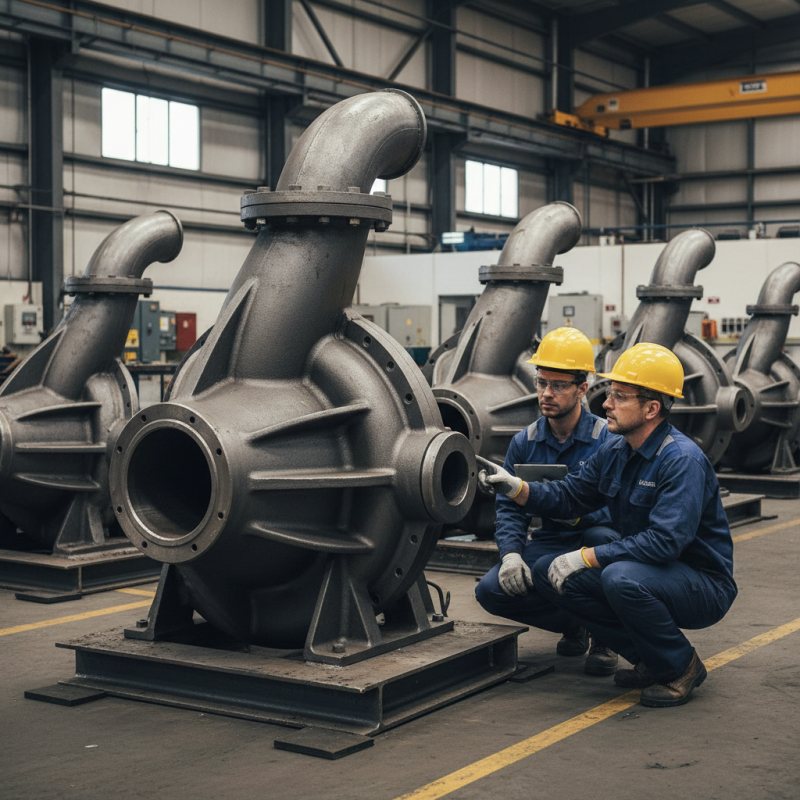
Best Slurry Pumps for Sale What to Consider Before Buying

Understanding Slurry Pumps: Types and Applications

Slurry pumps are essential in various industries, such as mining, construction, and wastewater management. Understanding their types is crucial. There are several types of slurry pumps including centrifugal and positive displacement pumps, each suitable for different applications. For instance, centrifugal pumps handle lower viscosity slurries well. They're efficient and have lower maintenance needs.

On the other hand, positive displacement pumps excel with high-viscosity materials. A report from the Global Slurry Pump Market forecasts a growth rate of 4.5% over the next five years, indicating increased demand across sectors. The choice of pump type affects efficiency, operational costs, and longevity.

Pump application varies widely. In mining, slurry pumps transport mineral slurries. In wastewater treatment, they move sludge. Understanding the operational conditions is vital. An ideal slurry pump should adapt to changes in density and particle size. Investing in a pump that does not meet specific requirements can lead to increased downtime and maintenance costs, highlighting the need for careful consideration before purchasing.

Slurry Pumps Performance Comparison

This chart compares the flow rates of different slurry pumps, helping potential buyers to understand the performance levels of various models before making a purchase decision.

Key Factors to Consider When Choosing a Slurry Pump

When selecting a slurry pump, several key factors play a crucial role. The application environment is vital. Consider the type of slurry you will be pumping. It can be dense or coarse, and this affects the pump design. Knowing the specific density and viscosity helps narrow down your options.

Next, examine the pump's material construction. Different materials affect durability. Depending on the slurry, corrosion resistance might be essential. A high-quality material does not just enhance the lifespan, but it also impacts efficiency. Evaluate the maintenance requirements as well. Some pumps require frequent upkeep, which can lead to increased operational costs.

Don’t overlook the pump’s flow rate and pressure capabilities. These specifications should align with your project needs. It’s easy to assume one size fits all, but not every pump suits every task. Consider your specific demands and adjust accordingly. It's crucial to engage with knowledgeable suppliers for insights. This can help clarify your choices and ensure reliability in your operations.

Material Compatibility: Matching Pumps to Slurry Composition

When purchasing a slurry pump, understanding material compatibility is crucial. Slurry composition varies widely, often containing solid particles, chemicals, or abrasive materials. Each component can affect the pump's overall performance and longevity. For instance, a pump handling highly abrasive slurries requires tougher materials to withstand wear and tear.

It’s important to consider factors like pH levels and temperature. Some materials can corrode if exposed to harsh chemicals. The wrong choice may lead to pump failures or costly replacements. Evaluating your specific slurry characteristics ensures a better match with the pump material.

Research is essential to identify suitable materials for your application. Consulting with specialists can provide valuable insights. There are many material options available, each with strengths and weaknesses. If you overlook this aspect, the results could be disappointing. A misalignment between pump materials and slurry composition can result in inefficiencies or increased maintenance needs. Awareness of these details contributes to a more informed purchasing decision.

Pump Size and Capacity: Selecting the Right Specifications

When selecting a slurry pump, understanding size and capacity is critical. Slurry pumps handle thick, abrasive liquids, making the right specifications essential. Calculate the volume of slurry you need to move. Think about the density and viscosity as they directly impact performance. This will help you choose a pump that can handle the workload effectively.

Consider the impeller design and casing size. These factors are vital in determining how well your pump operates. A larger casing accommodates more material, offering better efficiency. However, an oversized pump can lead to higher energy consumption. Striking a balance is necessary. It's important to examine the specific applications of your pump, ensuring the size aligns with your operational needs.

Don't overlook the installation space. Measure the area where the pump will be placed. A compact design might seem appealing, but it may limit future upgrades or maintenance. Always evaluate long-term efficiency against immediate needs. It's a delicate dance between performance and practicality. Making informed decisions now can save headaches later.

Best Slurry Pumps for Sale: What to Consider Before Buying

Pump Model Maximum Capacity (m³/h) Max Head (m) Weight (kg) Pump Size (inches)
Model A 100 30 150 4
Model B 150 25 180 5
Model C 120 35 160 4.5
Model D 200 40 200 6
Model E 90 28 140 3.5

Maintenance and Support: Ensuring Long-term Performance

When considering the long-term performance of slurry pumps, maintenance and support play crucial roles. Regular inspections can prevent costly downtime. According to a report from the Hydraulic Institute, proper maintenance can enhance pump lifespan by up to 30%. Routine checks, lubrication, and part replacements can ensure optimal operation.

Another key aspect is training for operators. Well-trained personnel can identify issues early, reducing the risk of serious failures. A study by the American Society of Mechanical Engineers highlighted that companies investing in operator training saw a 25% decrease in maintenance costs. This illustrates the impact of knowledge on equipment longevity.

It's essential to establish a reliable support system. Manufacturers often provide manuals, online resources, and customer service. However, not all companies meet expectations. Some users report delays in support responses. A transparent communication channel can alleviate these concerns and enhance trust. Taking time to assess maintenance plans and support resources is vital.

Register now