


Blog
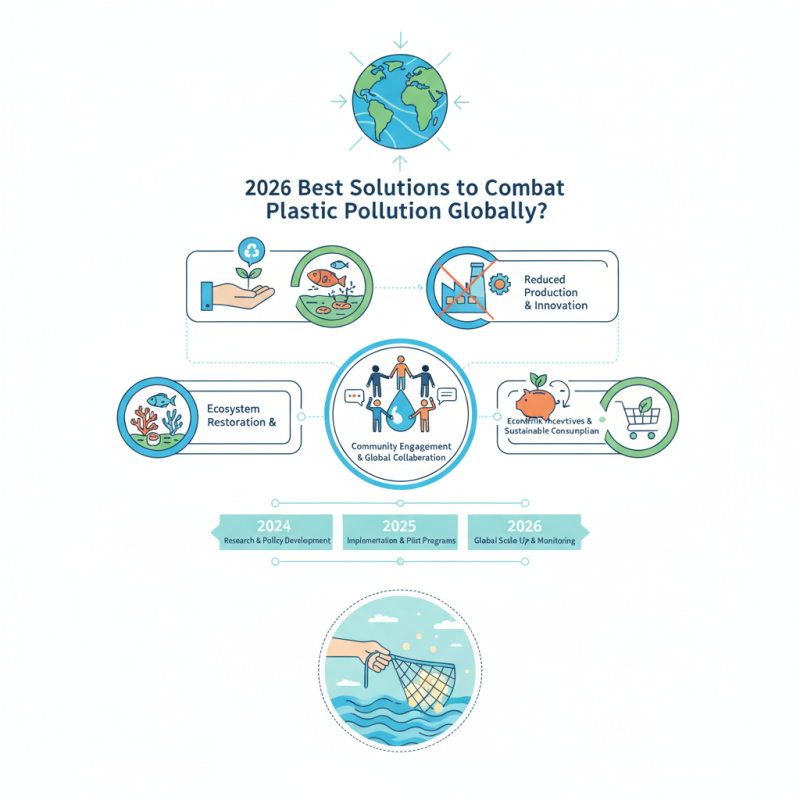
2026 Best Solutions to Combat Plastic Pollution Globally?
Plastic pollution has emerged as one of the most pressing global challenges of our time. Each year, millions of tons of plastic waste end up in oceans, harming marine life and disrupting ecosystems. This issue is not just an environmental disaster; it's a public health concern. Microplastics can infiltrate our food and water supply, posing risks to human health.
Addressing plastic pollution requires innovative solutions that engage communities, governments, and industries alike. Many countries are experimenting with regulations, bans, and incentives to reduce plastic production and consumption. However, these efforts are often met with challenges, such as economic implications and public resistance. The question remains: are we doing enough?
As we look toward 2026, it is crucial to reflect on our strategies. Are current methods effective? What new ideas can we implement? Engaging with experts and local communities can provide valuable insights. The fight against plastic pollution is complex, and we must continuously adapt our approach. The urgency of this issue demands our attention and action.
Global Impact of Plastic Pollution on Ecosystems and Human Health
Plastic pollution poses significant dangers to our ecosystems and human health. Marine life extensively suffers from this issue. Sea turtles ingest plastic, mistaking it for food. Marine birds also face dire consequences; they often feed plastic to their chicks. This leads to malnutrition and increased mortality rates.
The impact extends to human health as well. Microplastics have infiltrated our drinking water and the food supply. Studies show that these tiny particles may affect gut health and hormonal balance. Additionally, exposure to certain chemicals in plastics can lead to severe health problems over time. Awareness of these issues is crucial; yet, many people underestimate them.
Addressing plastic pollution requires a multifaceted approach. Policy reform is essential but often lacks urgency. Education plays a vital role in changing consumer behavior. We must also hold industries accountable for their plastic waste. Small community initiatives, while not comprehensive, can spark larger movements. Reflection on our reliance on plastic can lead to more sustainable choices.
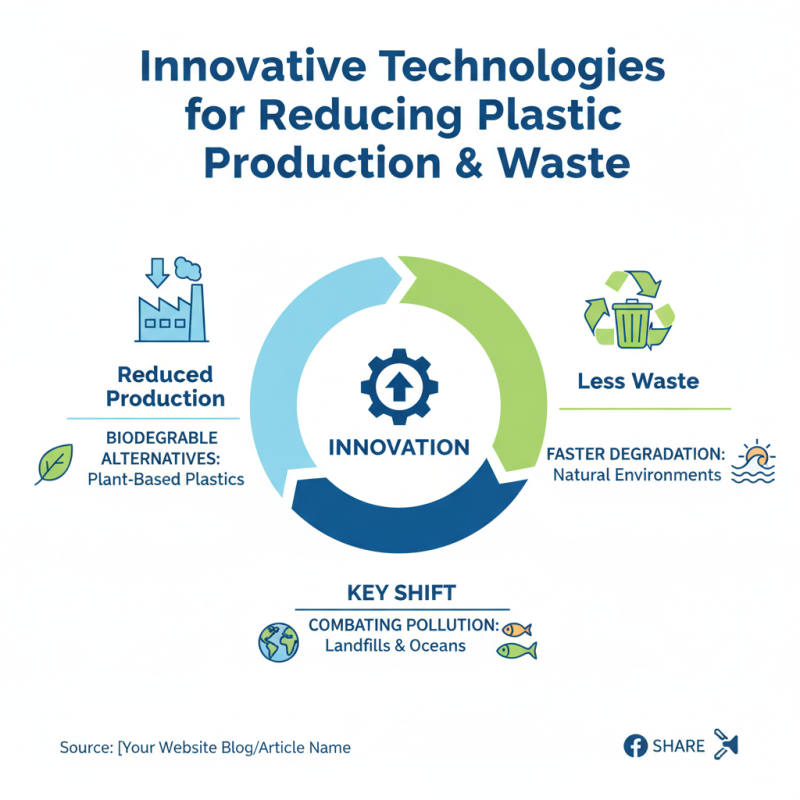
Innovative Technologies for Reducing Plastic Production and Waste
The fight against plastic pollution has led to several innovative technologies. These solutions aim to reduce both plastic production and waste. One notable method is the development of biodegradable alternatives. Materials like plant-based plastics are now being studied. They break down more easily in natural environments. This shift could significantly lower plastic waste in landfills and oceans.
Tips: Educate yourself about bioplastics. Look for products that use them to make a positive impact.
Another promising innovation is advanced recycling techniques. These include chemical recycling, which breaks down plastics into basic components. This can transform waste into new raw materials for production. It enhances recycling efficiency and sustainability. However, there are challenges in scalability and cost-effectiveness.
Tips: Support local recycling initiatives. They often help improve these technologies in practical applications.
While these advancements show promise, challenges remain. Not all biodegradable materials are truly environmentally friendly. Also, recycling technologies need to become more accessible. Continuous research and collaboration will be crucial. Every step counts in the journey to combat plastic pollution effectively.
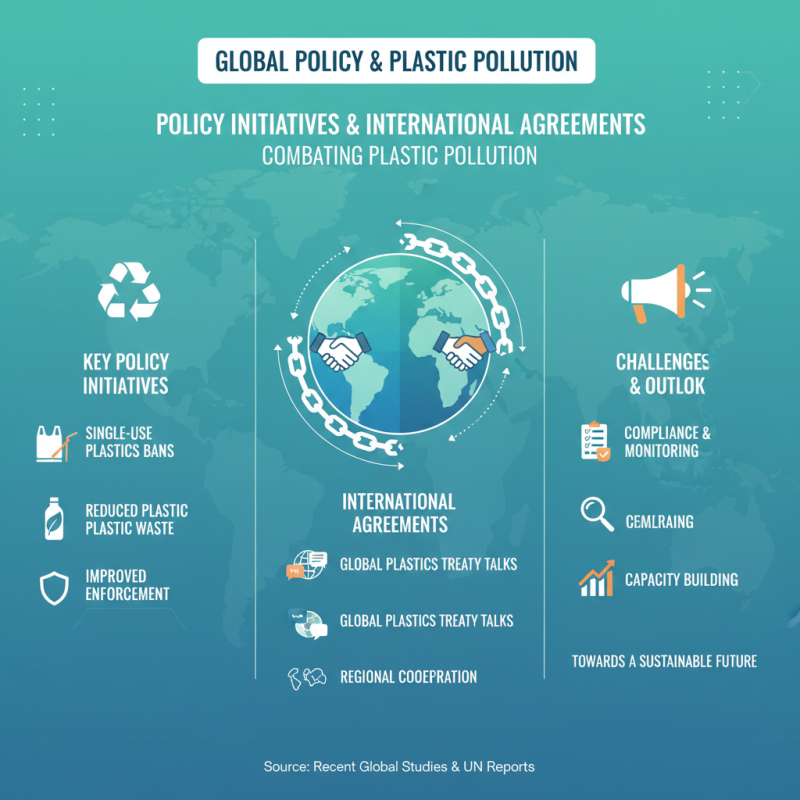
Policy Initiatives and International Agreements Addressing Plastic Pollution
In recent years, global awareness of plastic pollution has surged. Countries have begun implementing various policy initiatives to combat this pressing issue. Many nations now enforce strict regulations on single-use plastics. Bans on plastic bags and straws are becoming common. These actions aim to reduce the amount of plastic waste entering the environment. However, challenges remain in enforcement and compliance.
International agreements also play a vital role. The Global Plastics Treaty discussions have gained momentum. Nations are negotiating terms to address plastic pollution on a global scale. These agreements seek to unify efforts, sharing technologies and strategies. Yet, disparities in resources among countries may hinder progress. Some regions struggle to implement effective waste management systems. This inconsistency highlights the need for tailored solutions.
Collaboration is essential to tackle this crisis effectively. Local communities must engage in these initiatives for real impact. Educational programs can raise awareness about plastic issues. Sustainable practices should be encouraged at all levels. Reflection on these policies is crucial. Are they enough? Continuous assessment remains key to driving meaningful change.
Community-Based Solutions and Grassroots Movements Against Plastic Waste
Community-based solutions have emerged as a powerful force against plastic pollution. Local groups gather to clean shores, rivers, and parks. These collective efforts inspire individuals to rethink their relationship with plastic waste. Creative campaigns often engage citizens through art and education. For instance, communities create sculptures from discarded plastics. These pieces serve as reminders of the urgent need for change.
Grassroots movements play a crucial role in policy change. They advocate for stricter regulations on single-use plastics. Through petitions and lobbying, groups raise awareness on the harm caused by plastic waste. Many grassroots organizations also organize workshops to educate the public on sustainable practices. Participants learn about alternatives to plastic products. This hands-on approach empowers individuals to make informed choices.
Despite these efforts, challenges persist. Some areas struggle with consistent volunteer participation. Others face limited resources and funding. These obstacles can slow progress in combating plastic waste. Reflecting on these issues can lead to new strategies. Continuous dialogue within communities is essential for sustained impact. Embracing imperfection and fostering resilience in tackling plastic pollution is vital.
Role of Education and Awareness in Combating Plastic Pollution Globally
Education and awareness play crucial roles in combating plastic pollution globally. Raising public consciousness about the impact of plastic waste can lead to significant changes in behavior. For instance, community workshops can illustrate the journey of plastic pollution, from production to its harmful effects on marine life. These gatherings often involve hands-on activities, making the learning experience more engaging.
Schools can integrate environmental education into their curriculums. Teaching children about recycling and sustainability can foster lifelong habits. Many successful programs use interactive methods to convey their messages effectively. However, the challenge lies in making this information accessible to all demographics. Not everyone has the same level of understanding or resources.
Social media campaigns have proven effective in spreading awareness quickly. Yet, they can also create echo chambers where misinformation thrives. Thus, critical thinking should be a fundamental component of any educational initiative. People must learn to discern credible sources from misleading information. The goal is to empower individuals to make informed choices about their plastic usage, turning awareness into action.
Related Posts
-
Exploring the 2025 Top Types of Plastics in Our Ever-Changing Plastic World
-

10 Essential Tips to Reduce Plastic Pollution in Daily Life?
-
How to Choose the Right Compound Packaging for Your Products?
-

10 Best Innovations in a Plastic World?
-
How to Recycle Plastic Effectively: A Comprehensive Guide to Plastic Waste Management
-

What Are the Benefits of ABS Compound for Global Buyers?