


Blog
Top Biodegradable Plastic Packaging Trends for 2026?
As the world becomes increasingly aware of environmental issues, biodegradable plastic packaging is gaining significant attention. This innovative material offers an alternative to traditional plastics, aiming to reduce pollution and waste. In 2026, several trends are expected to shape the market for biodegradable plastic packaging.
One notable trend is the rise of natural materials in production. Companies are exploring sources like plant starches and agricultural by-products. These materials not only reduce dependence on fossil fuels but also enhance sustainability. However, the challenge lies in scaling production without compromising quality.
Another emerging trend is consumer awareness and demand. Shoppers are more environmentally conscious than ever. They seek products that align with their values, driving brands to adopt biodegradable packaging. Yet, some may question the effectiveness and environmental impact of these products. Addressing these concerns will be crucial for industry growth in the coming years.
Emergence of Plant-Based Materials in Biodegradable Packaging
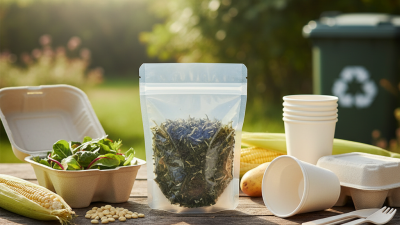
The rise of plant-based materials is transforming biodegradable packaging. These materials, derived from renewable sources, offer a sustainable alternative to traditional plastics. As consumers become more eco-conscious, the demand for such packaging continues to grow. Companies are innovating, developing new methods to enhance the properties of these biodegradable materials.
Cornstarch and sugarcane are popular choices in this trend. They are biodegradable and provide excellent barrier properties. This helps keep products fresh while reducing environmental impact. However, challenges remain. Sourcing raw materials sustainably is crucial. Farmers must balance crop production with biodiversity.
Moreover, the performance of plant-based packaging can vary significantly. Some products do not decompose effectively in certain environments. It raises questions about end-of-life solutions. For the industry, improving compostability standards is essential. This ensures that consumers can dispose of these materials responsibly. The evolution of plant-based packaging is promising, yet a collaborative effort is needed to address its limitations.
Top Biodegradable Plastic Packaging Trends for 2026
| Trend | Description | Material Sources | Projected Market Growth |
|---|---|---|---|
| Increased Use of PLA | Polylactic Acid (PLA) is gaining popularity due to its renewability and compostability. | Corn starch, sugarcane | 12% CAGR by 2026 |
| Development of PHA | Polyhydroxyalkanoates (PHAs) are fully biodegradable and produced by microbial fermentation. | Plant oils, bacterial fermentation | 15% CAGR by 2026 |
| Enhanced Recycling Processes | Innovative recycling methods for biodegradable plastics are being developed. | Synthetic and bio-based materials | 8% CAGR by 2026 |
| Focus on Compostable Solutions | Products designed to break down in composting facilities are becoming more prevalent. | Plant fibers, starch blends | 10% CAGR by 2026 |
| Rise of Bio-based Coatings | The use of bio-based coatings for conventional packaging materials to enhance biodegradability. | Natural oils, waxes | 9% CAGR by 2026 |
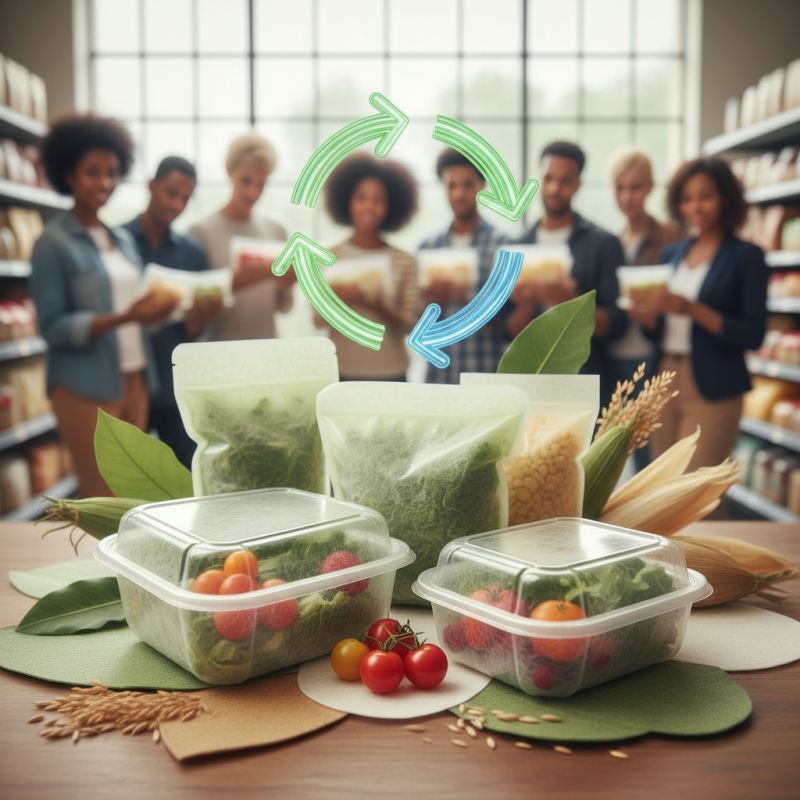
Advancements in Biodegradable Plastics Technology and Production
Advancements in biodegradable plastics technology are shaping the future of packaging. The global biodegradable plastic market is projected to reach around $9.66 billion by 2026, growing at a compound annual growth rate (CAGR) of 14.7%. This data underscores a shift towards more sustainable solutions in packaging. Innovations like polylactic acid (PLA) and polyhydroxyalkanoates (PHA) are gaining traction due to their ability to decompose in diverse environments.
Recent studies indicate that emerging production techniques, such as extrusion and injection molding, are improving efficiency and reducing waste. However, the supply chain for biodegradable materials still faces challenges. Issues such as limited raw material sources and high production costs need to be addressed. Additionally, consumer education on the proper disposal of these materials remains crucial. A survey revealed that only 30% of consumers correctly understand how to dispose of biodegradable plastics.
As the industry evolves, collaborations among researchers, manufacturers, and policymakers are essential. Creating comprehensive recycling systems will enhance the effectiveness of biodegradable packaging. The trajectory for 2026 indicates a blend of innovation and responsibility, yet there are barriers to overcome. Balancing technological advancements with environmental impact remains a crucial task for the industry.
Consumer Awareness and Demand Shifting Towards Sustainable Options
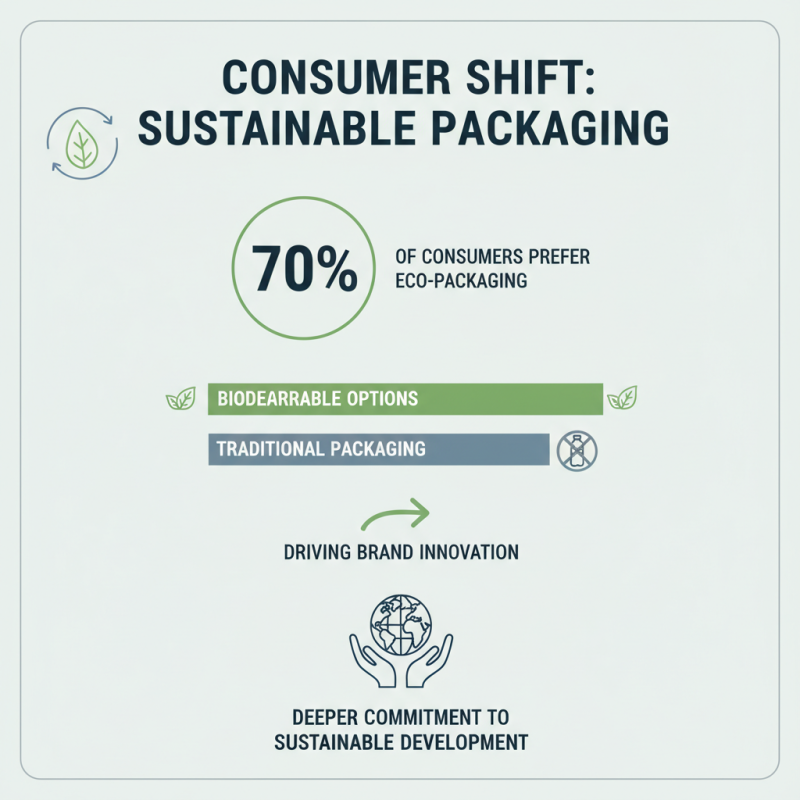
Consumer awareness is rapidly changing how packaging is viewed. According to a recent study by the Global Packaging Alliance, 70% of consumers prefer environmentally friendly packaging. This shift drives brands to seek out biodegradable options that minimize environmental impact. It’s not just a trend; it reflects a deeper commitment to sustainable development.
Data from Smithers Pira indicates that the biodegradable plastic market could reach $6.5 billion by 2026. This growth comes from increased consumer demand for products that align with eco-friendly values. However, some challenges persist. Many consumers remain unsure about the compostability of these materials. Misunderstandings about how biodegradable plastics fit into recycling systems can lead to improper disposal practices.
The rise of e-commerce also complicates the landscape. Delivery packaging often prioritizes protection over sustainability. While companies are exploring innovative solutions, not all options meet consumer expectations. Transparency in sourcing and production processes is critical. Consumers want to know how their choices impact the environment, yet many feel overwhelmed by the information available. Balancing consumer demand with practical packaging solutions will be essential in the coming years.
Regulatory Changes Influencing Biodegradable Packaging Adoption
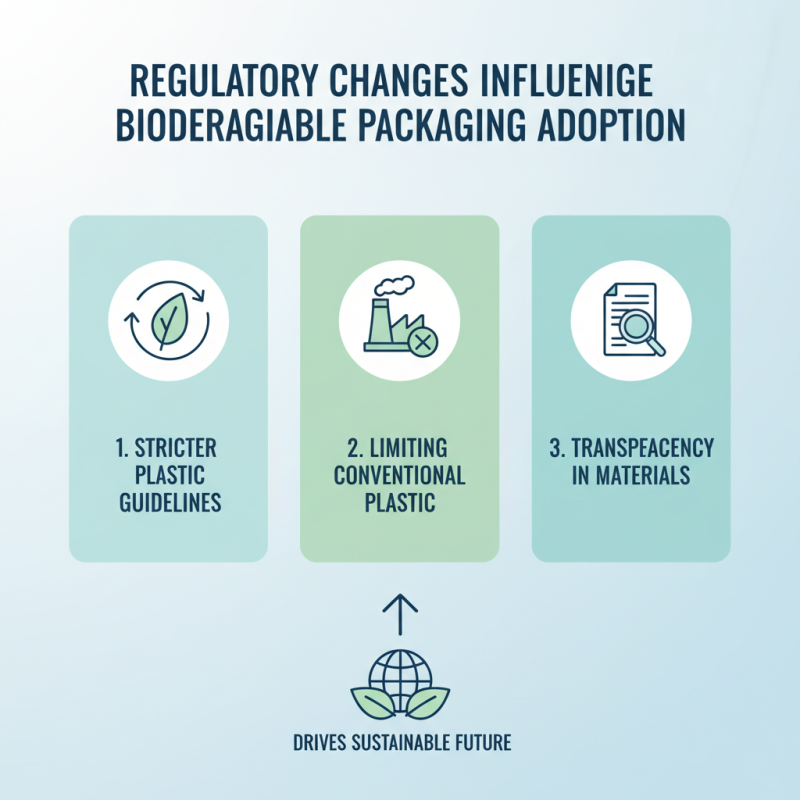
The landscape of biodegradable packaging is changing rapidly, largely due to regulatory shifts. Various regions are implementing stricter guidelines on plastic usage. This encourages businesses to explore biodegradable options, aiming for a sustainable future. Regulatory bodies focus on limiting conventional plastic. Stricter regulations often require transparency about materials used in packaging.
These changes compel companies to innovate. Many are investing in research to develop effective biodegradable solutions. As governments set higher expectations, industries must adapt quickly. Compliance with sustainability goals is not just beneficial; it is becoming essential. Companies face challenges in balancing costs and environmental impact. This introduces a tension between profit margins and eco-friendly practices.
Practitioners must rethink their strategies. The pressure to meet new regulations often leads to trial and error. There is a learning curve involved in transitioning to biodegradable materials. Some companies might struggle to find suitable alternatives that perform as intended. Engagement with experts in material science can help bridge these gaps. Overcoming these hurdles will ultimately enhance the credibility of the biodegradable packaging industry.
Innovative Design Trends in Eco-Friendly Packaging Solutions
Innovative design trends in eco-friendly packaging are shaping the future of biodegradable plastic packaging. With a growing demand, experts predict that the global biodegradable plastics market will surpass $15 billion by 2026. This surge encourages businesses to explore unique, sustainable design solutions. Minimalistic designs, using fewer resources, are increasingly favored. They not only reduce waste but also enhance product visibility.
Materials like plant-based biopolymers are gaining traction. These materials are not only renewable but also decompose more efficiently. A study from the European Bioplastics Association highlights that bioplastics could account for 2.5 million tons of production by 2025, indicating a shift towards sustainable materials. However, the challenge of balancing aesthetics with functionality remains. Designers often find themselves sacrificing durability for eco-friendliness, which can lead to issues in packaging integrity.
Tips: Incorporate biodegradable inks and adhesives to enhance environmental benefits. Engage consumers with transparent information about the packaging’s lifecycle. Always consider material sources to ensure sustainability from start to finish. Each decision impacts the overall effectiveness of eco-friendly designs. Striving for innovation while addressing these challenges is vital for future success in the market.
Top Biodegradable Plastic Packaging Trends for 2026
Related Posts
-
How to Choose Bioplastic Packaging: A Complete Guide for Eco-Friendly Choices
-

2026 Best Conductive Compound Options for Your Projects?
-
How to Use Conductive Compounds for Better Electrical Performance?
-
Top Plastic Masterbatch Types You Should Know About?
-
What are the Benefits of Using Plastic Masterbatch in Production?
-

Top Plastic Additives You Should Know About?