



Blog
China Best Color Masterbatch Manufacturer or Supplier?
Choosing China’s best color masterbatch manufacturer requires more than comparing prices or factory photographs. It demands evidence from production experience, technical control, and verified customer results.
Grand View Research estimated the global masterbatch market at approximately USD 12.64 billion in 2023. It also projects steady growth through 2030. MarketsandMarkets reports different figures, showing why buyers should examine research methods carefully. Market estimates are not identical. That matters.
A practical supplier should demonstrate stable pigment dispersion, accurate dosing, weather resistance, and compatibility with specific polymers. A black masterbatch for agricultural film faces sunlight, heat, and moisture. A food-packaging grade requires stricter documentation and migration control. Laboratory data should support every major claim.
Color masterbatch specialist David K. Platt has emphasized that “colorants must be selected for the application, not merely for appearance.” This principle remains highly relevant. A vivid sample may still fail during extrusion, recycling, or outdoor exposure.
China has many capable producers, but capability varies widely. Some factories operate advanced twin-screw lines and automated weighing systems. Others depend heavily on manual adjustments. Buyers should request ISO certificates, technical data sheets, batch records, and independent test results.
The strongest manufacturer is not always the largest one. It is the supplier that explains limitations clearly, tests your resin, and maintains shade consistency from batch to batch. This guide examines China’s leading color masterbatch manufacturers and suppliers through measurable quality, technical support, production reliability, and application experience.

What Is Color Masterbatch and Why Does Its Quality Matter?
China Best Color Masterbatch Manufacturer or Supplier?
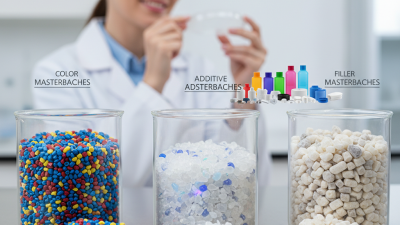
Color masterbatch is a concentrated blend of pigments, additives, and polymer carrier. It gives plastic products consistent color during extrusion, injection molding, or blow molding. The principle sounds simple. Production is not.
PlasticsEurope’s Plastics—The Fast Facts 2023 reported global plastics production of 400.3 million tonnes in 2022. At this scale, small color deviations can create large batches of rejected packaging, films, or molded parts. A reliable masterbatch needs stable pigment dispersion, accurate dosing, and good compatibility with the base resin. Poor dispersion may produce streaks, specks, filter blockage, or uneven gloss. The difference is visible.
Quality also affects process control. Experienced manufacturers test color strength, heat stability, moisture, carrier compatibility, and migration behavior where applicable. ISO 23900 provides recognized methods for evaluating pigment dispersion in plastics. Buyers should request a certificate of analysis, technical data, and batch samples before approval. A laboratory plaque is useful, but it cannot fully predict performance on a fast production line. That is an easy mistake.
The OECD’s Global Plastics Outlook reported that plastic waste increased from 156 million tonnes in 2000 to 353 million tonnes in 2019.
This does not mean masterbatch alone solves waste concerns. However, consistent color can help reduce avoidable startup scrap and rejected parts. Supplier selection should consider technical support, traceability, repeatability, and application testing, not only price. Sometimes, the cheapest formulation becomes expensive after production begins.
How to Evaluate Chinese Color Masterbatch Manufacturers and Suppliers
Evaluating a Chinese color masterbatch manufacturer requires more than comparing price lists. PlasticsEurope reported global plastics production of about 413.8 million tonnes in 2023. That scale increases pressure for stable color, reliable delivery, and documented compliance. Ask each supplier for pigment composition, carrier resin, recommended dosage, and recent batch records. The details matter.
Request samples made with your actual resin and processing temperature. Check shade difference, dispersion, melt flow, moisture, and plate-out after production. For outdoor products, require accelerated weathering results. For packaging, request migration and restricted-substance testing from an independent laboratory. ISO 9001 certification supports process control, but it does not prove color performance. A certificate is only a starting point.
Audit the factory, physically or remotely. Review raw-material storage, silo labeling, laboratory equipment, and retained samples. Compare the supplied technical data sheet with test results from three separate batches. MarketsandMarkets’ color masterbatch analysis identifies packaging, consumer goods, and automotive plastics as important demand areas, where consistency remains commercially critical. Do not rely on one successful sample. I have seen attractive first samples hide weak dispersion at higher output rates. Ask about production capacity, lead times, complaint handling, and backup pigment sources. A low quotation may exclude testing, packaging changes, or technical support. That deserves a second look.
Which Industries Use Color Masterbatch in China?
China’s plastics industry uses color masterbatch across many practical applications. Packaging factories add it to films, bottles, caps, and woven bags. Stable dispersion helps maintain even color during high-speed production. Food packaging also requires controlled pigments and clean processing conditions. Small color differences can affect customer acceptance.
Automotive suppliers use masterbatch for dashboards, trims, bumpers, and interior components. Appliance manufacturers apply it to housings, buttons, and cable parts. Construction companies use colored plastic pipes, profiles, insulation materials, and flooring products. Agricultural businesses add color to irrigation pipes, mulch films, and seedling trays. Electronic component producers also need precise shades and reliable heat resistance. Not every application needs the same formula. That point is easy to overlook.
Tips: Match the masterbatch with the polymer, processing temperature, and final purpose. Check compatibility before full production. Request test samples, technical data, and batch consistency records. A color may look correct under factory lighting but change near daylight. Trial runs are necessary. They reveal problems early. Suppliers should explain dosage, dispersion, storage, and processing limits clearly. Buyers should also inspect samples from different production batches, not just one successful test. Mistakes happen, even with experienced teams.
How to Compare Product Quality, Customization, Pricing, and Delivery
China Best Color Masterbatch Manufacturer or Supplier?
Choosing the best color masterbatch manufacturer requires more than reviewing a bright sample. Compare pigment dispersion, carrier compatibility, heat stability, and shade consistency. Ask for technical data, recent batch records, and a controlled sample. Test it in your own resin and processing conditions. A smooth pellet does not guarantee stable color. That lesson is often missed. Check Delta E results, moisture levels, and filtration performance. Reliable suppliers explain their testing methods clearly.
Tips: Request three quotations using identical specifications. Compare formulation details, minimum order quantities, sample costs, and technical support. Compare landed cost, not unit price.
Customization should match your resin, dosage, application, and production speed. Discuss shade tolerance, UV resistance, packaging, and batch traceability before approval. Pricing may change with pigment concentration, additives, and order volume. Delivery also needs careful checking. Confirm sampling time, production lead time, inspection procedures, and shipping documents. A written schedule is safer than a verbal promise. Still, no comparison is perfect. Forecasts can change, and I have seen low-cost orders become expensive after delays or color corrections. A small pilot order can reveal practical problems before full production.
How to Choose the Best Chinese Color Masterbatch Partner
Choosing the best Chinese color masterbatch partner requires more than comparing prices. Start with evidence. Ask for formulation details, technical data sheets, safety documents, and recent batch records. A reliable supplier should explain pigment selection, carrier compatibility, and recommended dosage clearly.
Request samples made with your actual resin and processing conditions. Test them through injection molding, extrusion, or blow molding, depending on your application. Check dispersion under magnification, color difference, odor, migration, moisture, and thermal stability. Samples can mislead. A strong laboratory result may not match continuous production. Ask for a pilot batch before approving large orders.
Evaluate the factory, not only the sales contact. A practical audit should review raw material storage, color measurement equipment, calibration records, and traceability procedures. Confirm whether the supplier can keep shade consistency across different production lots. Discuss minimum order quantities, lead times, packaging, and replacement procedures in writing. Clear communication matters when a color needs adjustment within hours, not days.
A capable partner will ask about your polymer grade, machine temperature, screw speed, and end-use requirements. That behavior shows technical understanding. Check export experience and documentation for your target market. References can help, but they are not perfect proof. I have seen attractive offers fail because testing standards were never aligned. Leave room for questions, corrections, and a second evaluation before signing a long-term agreement.
Related Posts
-
Why Choose Color Masterbatch for Your Production Needs?
-
Top Plastic Masterbatch Types You Should Know About?
-

2026 How to Choose the Right Plastic Masterbatch for Your Project?
-
How to Choose the Right Color of Plastic in 2026?
-

Top 10 Benefits of Using Plastic Compounds in Modern Manufacturing
-
2026 Top Plastic to Plastic Recycling Trends for Global Buyers?