China Top 10 Polymeric Surge Arrester Suppliers?
China’s electrical equipment industry includes many manufacturers of Polymeric Surge Arrester products. These devices help protect transformers, cables, switchgear, and distribution lines from lightning and switching surges. A reliable supplier should offer more than a competitive quotation. It should demonstrate controlled materials, stable production, and verifiable testing.
This article introduces ten notable Chinese suppliers for professional comparison. The selection considers product range, manufacturing experience, technical documentation, quality systems, export capability, and customer support. Typical evaluation points include 10kV and 35kV distribution applications, housing design, sealing performance, zinc oxide varistor quality, and resistance to pollution and moisture. Factory audits, type-test reports, routine-test records, and traceable inspection procedures deserve close attention. Small details matter. A cracked silicone housing or unclear test record can create serious uncertainty after installation.
No ranking is perfectly permanent. Market information changes, and some public supplier data remains incomplete. Therefore, this overview should support due diligence rather than replace it. Buyers should request current certificates, product drawings, installation instructions, warranty terms, and reference projects. They should also confirm compliance with relevant IEC standards and local grid requirements. Practical experience suggests that communication speed matters, especially when surge arrester dimensions or terminal arrangements must match existing equipment. The strongest supplier may not be the largest one. It may be the company that explains limitations clearly, provides consistent evidence, and responds responsibly when technical questions become difficult.
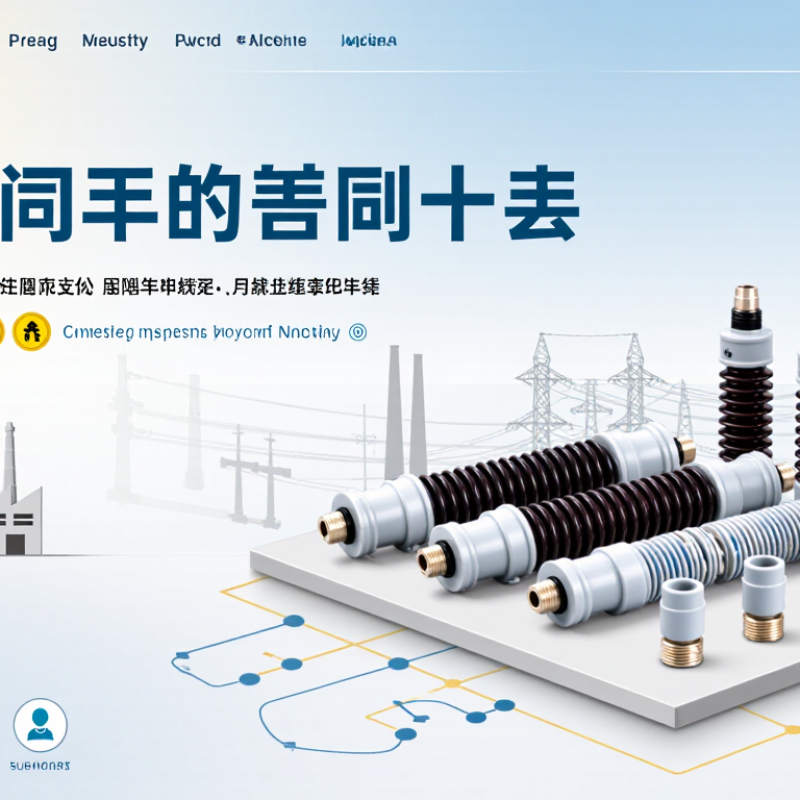
What Defines a Polymeric Surge Arrester Supplier in China
What Defines a Polymeric Surge Arrester Supplier in China
A qualified Chinese supplier does more than assemble a polymeric housing. It controls the complete protection chain, including zinc-oxide varistor blocks, silicone rubber, sealing, testing, and traceability. IEC 60099-4:2014 defines key performance tests for metal-oxide surge arresters. Suppliers should provide type-test evidence, routine-test records, and clear ratings for voltage, current, and energy.
CIGRE Technical Brochure 544 highlights condition assessment as an important part of arrester reliability. Therefore, serious manufacturers should explain leakage-current monitoring, thermal stability, pollution performance, and aging behavior. Factory experience matters here. I would inspect production records, not only polished samples. A clean warehouse is useful, but it proves little.
China’s electric-power expansion also raises the need for consistent quality. The China Electricity Council reported national power-generation capacity above 3,300 GW by the end of 2024. That scale increases demand for dependable protection across substations, distribution networks, and renewable projects. A capable supplier should offer factory acceptance testing, batch identification, installation guidance, and responsive technical support. Some suppliers still provide incomplete test files. That is a warning, not a minor inconvenience. Product selection should consider altitude, salt fog, seismic exposure, and actual system grounding conditions. A low price can hide weak sealing or unstable material control.
Key Technologies Used in Modern Polymeric Surge Arresters
Modern polymeric surge arresters rely on metal-oxide varistor blocks to control temporary overvoltage and lightning impulses. Their zinc-oxide grains create a sharply nonlinear electrical response. Under normal voltage, leakage current stays low. During a surge, the blocks conduct excess energy quickly.
The outer housing usually uses silicone rubber instead of porcelain. Its hydrophobic surface helps water form separate droplets, reducing leakage currents in rain and coastal pollution. Fiberglass-reinforced rods provide mechanical strength, while molded seals protect the internal stack from moisture. Some designs include grading rings to improve voltage distribution along taller arresters. Small details matter.
Pressure-relief systems are another essential technology. If an internal fault develops, controlled venting can reduce explosive mechanical failure. Modern suppliers also use thermal imaging, leakage-current monitoring, and impulse testing during quality control. Standards such as IEC 60099-4 and IEEE C62.11 provide useful benchmarks, but field conditions remain less predictable. Dust, salt, ultraviolet exposure, and poor grounding can shorten service life. In practical inspections, a clean housing may still conceal aging varistor blocks. That is easy to miss. Engineers should review installation torque, creepage distance, earthing resistance, and historical surge records. No arrester is perfect. Better designs combine material science, verified testing, and honest maintenance data.
China’s Top 10 Polymeric Surge Arrester Suppliers
China’s Top 10 Polymeric Surge Arrester Suppliers are often evaluated through engineering depth, production control, and field performance rather than advertising reach. In practical procurement, I examine silicone rubber housing quality, zinc oxide varistor stability, sealing design, and resistance to pollution, moisture, and ultraviolet exposure. These details matter on substations, distribution poles, and industrial switching systems.
Reliable suppliers usually provide IEC 60099-4 test evidence, routine inspection records, and traceable production batches. Their laboratories should verify residual voltage, leakage current, thermal stability, and mechanical strength. Factory visits can reveal more than brochures. Check molding surfaces, terminal finishing, storage conditions, and sample consistency. Small defects matter.
Delivery discipline matters too. Strong suppliers support technical drawings, voltage selection, installation guidance, and after-sales feedback. They should explain differences between distribution, station, and line arresters without hiding limitations. A low price may conceal weaker sealing or inconsistent varistor grading. That risk is easy to underestimate.
No ranking is perfect. Supplier performance can change with materials, staff, and subcontracting practices. I would request recent test reports, customer references, and independent sample testing before approval. A capable supplier welcomes difficult questions and documents uncomfortable results. That behavior builds trust.
How the Top Suppliers Compare by Products and Capabilities
Comparing the top ten polymeric surge arrester suppliers requires more than counting product models. The practical question is simple: can each supplier protect equipment under real electrical and environmental stress? Most leading suppliers offer metal-oxide varistor blocks, silicone rubber housings, and distribution-to-transmission voltage classes. Some also produce line arresters, station arresters, and compact units for transformers. That range matters when one project crosses several voltage levels.
Field experience shows that housing design often separates a durable arrester from an attractive catalogue item. Look for hydrophobic silicone, sealed interfaces, pressure-relief performance, and clear aging data. Reliable suppliers should provide type-test reports, routine-test records, and traceable serial documentation. Independent laboratory evidence adds confidence. Capabilities also include engineering support, short-circuit testing, contamination studies, and installation guidance. Suppliers with flexible tooling can adjust creepage distance, mounting hardware, and terminal layouts. This becomes valuable near coasts, deserts, and polluted industrial sites.
Price comparisons can be misleading. A lower quotation may exclude testing, customized fittings, or replacement planning. I would compare energy capability, residual voltage, leakage-current behavior, delivery consistency, and warranty terms. Ask how failures are investigated, not only how products are advertised. One weakness remains: public data is uneven, and some performance claims deserve independent verification. A careful buyer should request installation references and inspect test methods before ranking suppliers. Paper strength is not field strength.
Factors for Choosing a Reliable Chinese Supplier
China Top 10 Polymeric Surge Arrester Suppliers?
Choosing a reliable Chinese supplier requires more than comparing prices. The IEA’s Electricity Grids and Secure Energy Transitions report estimates that over 80 million kilometres of grids must be added or refurbished by 2040. It also projects annual grid investment above 600 billion US dollars by 2030. This pressure makes consistent arrester quality important. Ask suppliers for traceable raw-material records, routine-test results, and independent type-test certificates. Compliance with IEC 60099-4 is a practical starting point, not the final decision.
Inspect the polymer housing closely. Uneven silicone surfaces, weak bonding, or poor sealing can reveal manufacturing risks. Request evidence of salt-fog, ageing, thermal stability, and pressure-relief testing. CIGRE Technical Brochure 549 highlights the importance of metal-oxide arrester ageing and energy-handling performance. A dependable supplier should explain residual voltage, nominal discharge current, and line-discharge class in plain language. Factory experience matters, but it can be overstated. I would verify production capacity through a live audit, sample testing, and shipment records.
Tips: Compare identical technical specifications, not only catalogue prices. Check whether test reports match the exact model and production site. Review warranty terms, spare-part support, and complaint response times. A small pilot order can expose packaging, labelling, or consistency problems before a large contract. Do not ignore humidity control during warehouse storage. That detail is easy to miss.
Factors for Choosing a Reliable Chinese Polymeric Surge Arrester Supplier
This procurement-weighting model emphasizes compliance with IEC 60099-4, verified electrical performance, consistent product quality, traceable testing, and dependable delivery and technical support. It is an evaluation framework rather than a ranking of individual companies or brands.