


Blog
How to Choose Bioplastic Packaging for Your Sustainable Business Needs?
In today's environmentally conscious market, bioplastic packaging is gaining traction. According to a report by Smithers Pira, the bioplastic packaging sector is expected to reach $2.74 billion by 2025. Manufacturers are increasingly aware of the need for sustainable solutions. This shift is crucial for meeting consumer demand for eco-friendly products.
“Choosing the right bioplastic can differentiate a brand,” says Dr. Emily Hart, a leading expert in sustainable materials. Brands are exploring options that reduce their carbon footprint. However, not all bioplastics are the same. Some may offer better biodegradability, while others focus on compostability. It’s essential to evaluate the end-of-life scenario for each option.
Despite the advancements, there is a lack of understanding in the market about bioplastics. Some businesses still opt for traditional plastics due to perceived costs. This decision often leads to missed opportunities for sustainable practices. The industry has room for growth. Educating businesses on the advantages of bioplastic packaging is key for a sustainable future.
Understanding Bioplastics: Definition and Types
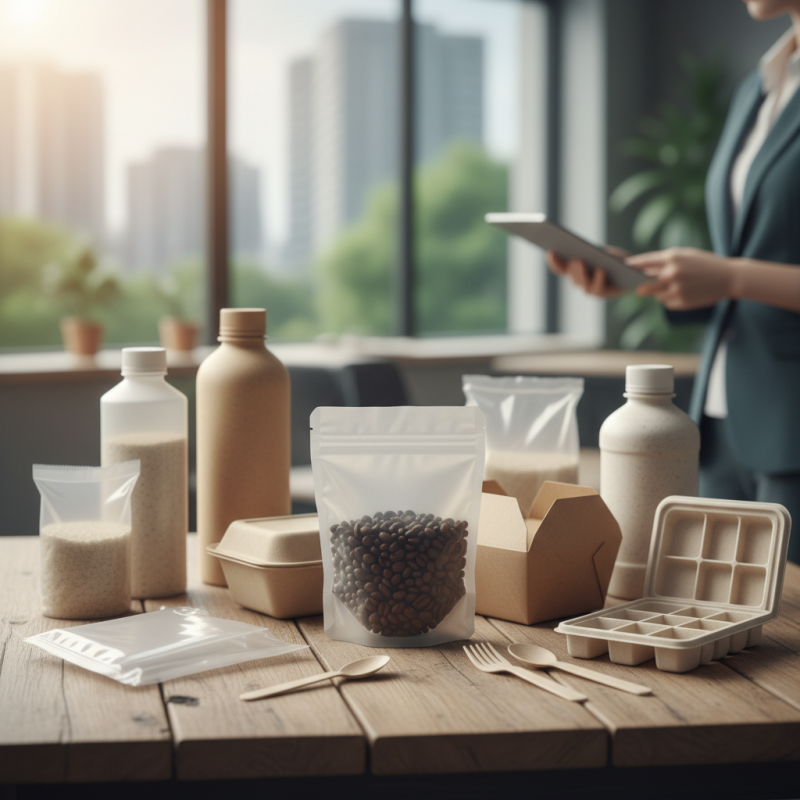
Bioplastics are an innovative solution for sustainable packaging. They are derived from renewable materials like plants. This makes them different from conventional plastics, which rely heavily on fossil fuels. Understanding the types of bioplastics can help businesses make informed choices.
There are two main categories of bioplastics: bio-based and biodegradable. Bio-based plastics are made partially or completely from biological sources. They can still be durable, resembling traditional plastics in performance. However, they may not fully break down in nature. On the other hand, biodegradable bioplastics can decompose under specific conditions. But their degradation often requires industrial composting facilities, which are not universally available.
Making the right choice can be challenging. Not all bioplastics meet the same environmental standards. Some may still contribute to pollution. It's important to assess their life cycle and end-of-life options. An awareness of these factors can steer businesses toward truly sustainable practices.
How to Choose Bioplastic Packaging for Your Sustainable Business Needs?
| Type of Bioplastic | Source Material | Biodegradability | Common Uses | Carbon Footprint |
|---|---|---|---|---|
| PLA (Polylactic Acid) | Corn Starch | Yes (in industrial composting) | Food packaging, disposable cutlery | Low |
| PBAT (Polybutylene Adipate Terephthalate) | Synthetic compostable materials | Yes | Plastic bags, mulch films | Medium |
| PHA (Polyhydroxyalkanoates) | Microbial fermentation of sugars | Yes | Packaging films, agricultural films | Variable |
| Starch-based Bioplastics | Natural starches (potato, corn) | Yes (in industrial composting) | Packaging, containers | Low |
| Cellulose-based Bioplastics | Wood pulp | Yes | Wrapping papers, food packaging | Low |
Evaluating the Environmental Impact of Bioplastic Packaging
When evaluating the environmental impact of bioplastic packaging, it’s essential to consider several factors. The sourcing of materials is crucial. Many bioplastics derive from renewable resources like corn or sugarcane. However, the agricultural practices used to grow these crops often involve pesticides and fertilizers. This can harm local ecosystems.
Another important aspect is the production process. Bioplastics can require significant energy for manufacturing. If derived from fossil-fuel-based energy, the benefits can diminish. Additionally, many bioplastics don’t decompose easily. They may need industrial composting facilities to break down effectively. This reality raises concerns about their potential environmental footprint.
Lastly, end-of-life options must be assessed. Can the packaging be recycled or composted in typical waste systems? Too often, consumers are unaware of the proper disposal methods. Education is vital. Companies choosing bioplastics must reflect on these challenges. The path to sustainability is not straightforward, and the impact of choices can be complex.
Key Features to Consider in Bioplastic Packaging Selection
When selecting bioplastic packaging for your sustainable business, consider its material properties. Look for options made from renewable resources. Some bioplastics are biodegradable, but not all. Check their compostability certifications. These features can impact the package's end-of-life.
Feel the texture and strength of the bioplastic. Thinner films may be eco-friendly, but they might not offer the durability your products need. Consider the intended use. If high protection is required, thicker bioplastics may be better. Should they fail, products could be damaged, affecting your brand's reputation.
Also, reflect on the environmental impact. Not all bioplastics reduce carbon footprints. Some may require significant energy in production. Research the lifecycle of your chosen bioplastic. It’s important to align your packaging choice with your brand values while ensuring it meets functional requirements.
Assessing Cost-Effectiveness of Bioplastic Options for Businesses
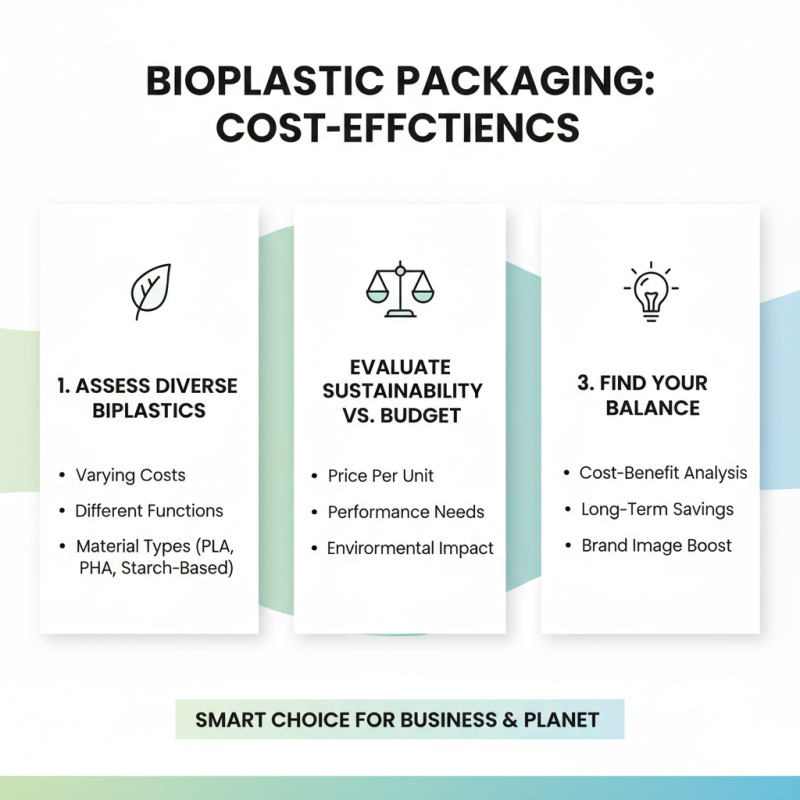
Choosing bioplastic packaging for your business requires careful cost-effectiveness assessment. Bioplastics vary widely in price and functionality. Evaluating these options can help you find the right balance between sustainability and budget.
Many businesses assume that bioplastic packaging is always more expensive. This is not always true. Some manufacturers offer competitive pricing. However, hidden costs may arise. Consider factors like transportation, storage, and lifecycle analysis. These can impact overall cost-effectiveness significantly.
**Tip:** Analyze your production scale. Bulk purchasing often reduces unit costs. It’s vital to understand your specific needs and estimate potential savings in waste management.
Another consideration is the material’s performance. Some bioplastics may not protect products as well as traditional materials. This can lead to damage and increased returns. Test different types of bioplastics before a full commitment.
**Tip:** Request samples from suppliers. Conduct trials to evaluate durability and suitability for your product. Reflection on these trials can guide your final decision.
Sourcing and Certification: Ensuring Quality and Sustainability
Choosing bioplastic packaging is crucial for a sustainable business. When sourcing materials, quality and certification matter significantly. According to a report by the Ellen MacArthur Foundation, bioplastics can reduce carbon emissions by up to 70%. However, not all bioplastics are created equal.
Certification ensures the material meets environmental standards. Organizations like the Biodegradable Products Institute (BPI) offer certifications for compostable products. Many businesses overlook this step. They may choose lower-cost options without verifying sustainability claims. This can lead to problems later, such as customer dissatisfaction and potential legal issues.
Tips: Always ask for documentation. Check if the supplier has certifications. Don't just go for the cheapest solution.
The sourcing process should include questions about origin and manufacturing practices. A recent industry survey revealed that 42% of consumers are willing to pay more for sustainable packaging. And yet, transparency is often missing. Packaging that claims to be eco-friendly but lacks proper certification can mislead consumers.
Tips: Look for clear labeling. Make sure the packaging aligns with your brand values. Engage with suppliers to ensure accountability.
Bioplastic Packaging Options for Sustainable Businesses
This chart displays the distribution of various bioplastic types used in packaging, highlighting their market share. Polylactic Acid (PLA) remains the most widely used bioplastic, while Polyhydroxyalkanoates (PHA) and starch-based options follow. Understanding these distributions can aid businesses in making informed decisions for sustainable packaging.
Related Posts
-
How to Choose Bioplastic Packaging: A Complete Guide for Eco-Friendly Choices
-

How to Choose the Best Compound Packaging for Your Products
-

Ultimate Tips for Choosing the Right PP Masterbatch for Your Projects
-

Unlocking the Power of Hips Compound: A Comprehensive Guide to Enhanced Performance and Health
-
The Hidden Role of Plastic Additives in Sustainable Material Innovation
-
Exploring the Science Behind Color on Plastic: How Pigments Transform Materials