



Blog
Why Choose Cast Nylon Pipe for Your Business Needs?
Cast Nylon Pipe has become a preferred choice in various industries due to its remarkable properties. According to a report by the American Society for Testing and Materials (ASTM), cast nylon exhibits high tensile strength and excellent wear resistance. These characteristics make it suitable for demanding applications where durability is paramount.
In the chemical processing industry, the use of Cast Nylon Pipe has grown by 20% over the last five years. This increase can be attributed to its ability to withstand harsh environments without significant degradation. A market analysis revealed that companies have reported reduced maintenance costs and downtime, emphasizing the material's reliability. However, understanding the nuanced performance in extreme conditions remains a challenge.
Despite its many advantages, Cast Nylon Pipe is not without limitations. Its performance can be affected by extreme temperatures and exposure to certain chemicals. Businesses must weigh these factors against their specific needs. Overall, the choice of Cast Nylon Pipe reflects a commitment to quality and longevity in industrial applications.
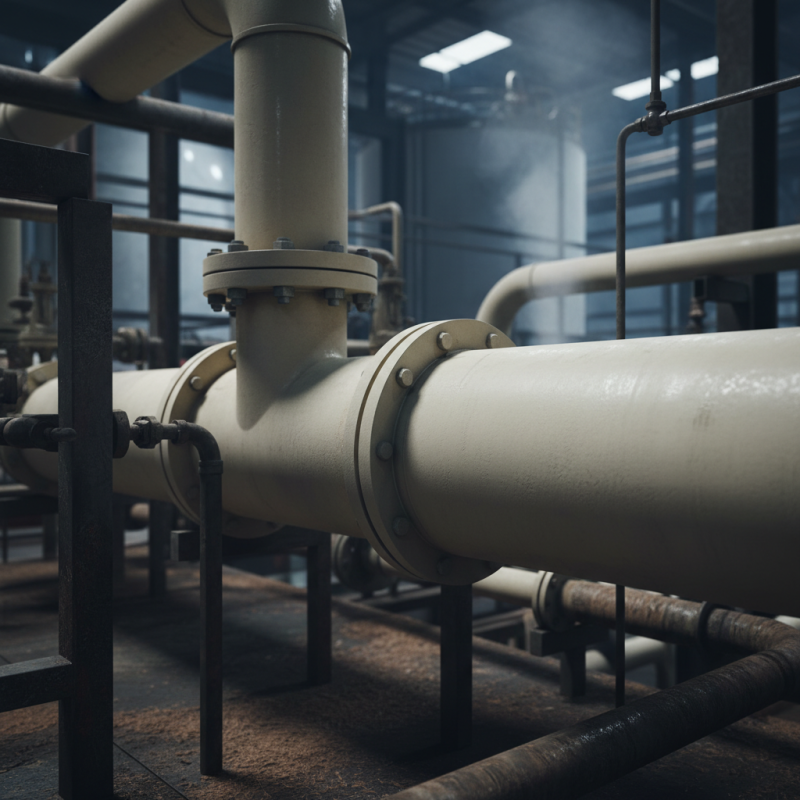
Benefits of Cast Nylon Pipe in Industrial Applications
Cast nylon pipe is gaining traction in various industrial sectors due to its unique benefits. One of the standout features is its high resistance to wear and impact. This property makes it suitable for environments where durability is paramount. Many industries, such as mining and manufacturing, are recognizing this strength. The potential for reduced maintenance and replacement costs often proves appealing.
Another benefit of cast nylon pipe is its excellent chemical resistance. It can withstand exposure to various substances without degrading. This characteristic is crucial in applications where other materials may fail. Companies can maintain operational efficiency when using this robust material, even in harsh conditions.
Tips: When selecting cast nylon pipe, consider factors like temperature range and chemical compatibility. These aspects can significantly affect performance. Ensure that you consult with experts who understand your specific needs. Additionally, think about the long-term benefits over initial costs. Investing in high-quality materials can lead to significant savings down the road.
Durability and Chemical Resistance of Cast Nylon Pipe
Cast nylon pipe is a material that excels in durability and chemical resistance. This makes it a preferred option for many industries. Its robust nature allows it to withstand harsh conditions, ensuring longevity. Cast nylon is known for its impressive load-bearing capacity. This quality is crucial for businesses requiring reliable materials for transporting fluids or solids.
When selecting materials, it's essential to consider specific factors. Not all cast nylon pipes are created equal. Variations exist based on thickness, density, and environmental resilience. Reassessing these parameters can help ensure you choose the best option.
Tips: Always check the chemical compatibility of cast nylon with the substances you plan to transport. This will prevent any unexpected reactions that could weaken the pipe. Consider consulting an expert to analyze your unique needs. Understanding your environment's demands is vital for maintaining efficiency and reliability in your operations.
Cast nylon provides a level of resistance against most harsh chemicals. However, prolonged exposure to specific substances may cause deterioration over time. Regular inspection is advisable to identify potential weaknesses before they become significant issues.
Why Choose Cast Nylon Pipe for Your Business Needs? - Durability and Chemical Resistance of Cast Nylon Pipe
| Property | Cast Nylon Pipe | Other Materials |
|---|---|---|
| Durability | High impact resistance, long lifespan | Variable, generally less durable |
| Chemical Resistance | Excellent resistance to acids and alkalis | Limited chemical resistance |
| Weight | Lightweight for easy handling | Heavier, making installation more complicated |
| Water Absorption | Low water absorption | Higher water absorption |
| Temperature Resistance | Effective in a wide temperature range | Limited temperature range |
Cost-Effectiveness and Long Lifespan of Cast Nylon Pipe
Cast nylon pipes offer remarkable cost-effectiveness for businesses. They are less expensive to produce compared to traditional materials. This lower production cost translates into savings for companies. Additionally, cast nylon pipes are lightweight yet strong, making installation easier and more affordable.
The lifespan of cast nylon pipes is a significant advantage. These pipes resist wear and tear, even in tough environments. Their durability means fewer replacements over time. Fewer replacements lead to lower maintenance costs, which is essential for any budget-conscious business.
However, it’s important to consider specific needs. In high-stress applications, performance may vary. Companies should evaluate whether cast nylon meets their unique demands. Understanding the limitations ensures an informed decision. Investing in the right materials is crucial for long-term success.
Comparative Analysis: Cast Nylon vs. Traditional Pipe Materials
Cast nylon pipes offer several advantages over traditional pipe materials. These pipes exhibit excellent resistance to wear, chemicals, and impact. Their low friction properties enhance fluid flow, leading to greater efficiency. In contrast, traditional materials often struggle with corrosion and wear, resulting in higher maintenance costs.
Moreover, cast nylon is lightweight yet incredibly strong. This combination makes installation easier compared to heavier metal pipes. Traditional pipes can be cumbersome and more challenging to handle. While cast nylon may not be the cheapest option upfront, its longevity and durability often lead to long-term savings. Traditional materials might require frequent replacements, especially in harsh environments.
However, not all situations favor cast nylon. Its performance can drop in extreme temperature ranges. In some scenarios, traditional materials may still hold an edge. Businesses need to assess their specific needs carefully. Understanding the strengths and weaknesses of both options ensures smarter choices. Second thoughts about the material might be necessary after analyzing various conditions.
Comparative Analysis of Cast Nylon Pipe and Traditional Pipe Materials
This chart compares the performance metrics of Cast Nylon pipes against traditional materials such as PVC, Steel, and Copper. The values represent their efficiency and durability on a scale from 1 to 10, highlighting the advantages of using Cast Nylon for various business needs.
Industry-Specific Case Studies Utilizing Cast Nylon Pipe
Cast nylon pipes have gained significant traction in various industries due to their durability and versatility. One clear example is the automotive sector. In this field, cast nylon pipes are often used in fuel systems. Their resistance to harsh chemicals makes them an ideal choice for transporting fuels safely. Several manufacturers have reported higher efficiency in their production lines since adopting these materials.
In the mining industry, cast nylon pipes perform remarkably well under extreme pressures. They are resistant to wear and tear, which is critical in this harsh environment. Companies that switch to cast nylon pipes have noted a reduction in downtime. However, maintenance challenges sometimes arise, especially in older equipment. Regular inspections become necessary to ensure optimal performance.
The food processing industry also benefits from cast nylon pipes. They are easy to clean and resistant to microbial growth. This is essential for maintaining hygiene standards. Despite the advantages, some companies face challenges in compliance with safety regulations. Each application should be carefully evaluated to ensure proper implementation of cast nylon pipes.