



Blog

2026 How to Choose the Right Split Cable Sleeve for Your Needs?

Choosing the right Split Cable Sleeve can significantly affect your project’s success. According to industry expert John Taylor, "Selecting the proper split cable sleeve ensures durability and protection for your cables." With the myriad of options available, it can be daunting for consumers and professionals alike.

Split cable sleeves come in various materials and sizes. Each option presents unique benefits tailored to specific needs. For instance, polyethylene sleeves are often lightweight yet sturdy. On the other hand, silicone sleeves offer flexibility and high heat resistance. The selection process should consider the environment and the application’s demands.

Reflecting on personal experiences, many find it challenging to make a choice. It's important to weigh both the advantages and drawbacks of each type. Rushing this decision can lead to unforeseen complications. Taking the time to evaluate your requirements is crucial for achieving optimal results.
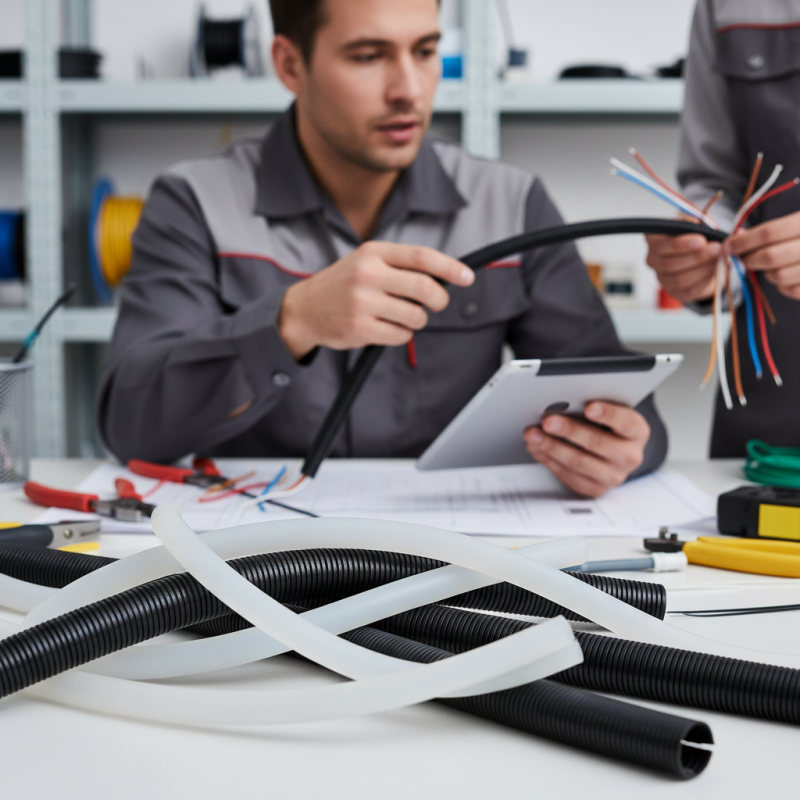
2026 How to Choose the Right Split Cable Sleeve for Your Needs?

Understanding the Purpose of Split Cable Sleeves in Your Projects

When working on electrical projects, understanding the purpose of split cable sleeves is crucial. These sleeves are designed to protect and organize cables. They can prevent wear and tear from friction and environmental factors. Moreover, they improve the appearance of your installations. Every project benefits from neat cable management. Messy cables can lead to confusion and potential hazards.

Choosing the right split cable sleeve requires careful consideration. Material matters. Some sleeves are better for high-heat environments, while others offer flexibility. The size of the cables also influences your choice. Too tight, and they may crack; too loose, and they won’t provide adequate protection. Installation can be tricky. While many sleeves are easy to cut and apply, getting a smooth finish might take time. It's important to take a step back and evaluate your work.

Remember, even the best sleeves won't solve problems caused by poor installation. Attention to detail is key. Are the cables secured correctly? Are there areas left exposed? Reflecting on these questions can lead to better outcomes. Each project is a learning opportunity, and every choice counts.

Types of Split Cable Sleeves: Material and Design Options Explained

When selecting the right split cable sleeve, understanding the various material and design options is crucial. Common materials include nylon, polypropylene, and polyester. Each has unique strengths. For instance, nylon is often praised for its durability and resistance to wear. According to a market research report by Technavio, the global cable management market is projected to grow significantly, driven by increased demand for effective cable organization.

Design options are equally important. Some sleeves feature a split design for easy installation. Others come with self-adhesive options for added convenience. A study by MarketsandMarkets highlights that innovative designs are crucial for enhancing user experience and satisfaction. A well-chosen sleeve can not only improve aesthetics but also reduce the risk of damage.

However, colors and textures should not be overlooked. Choose a color that blends well with your environment or stands out for visibility. Reflective materials can add a layer of safety. Keep in mind, not all sleeves fit every application perfectly. Poor choices may lead to insulation failure or cable tangling. Regular evaluations of cable management needs ensure optimal performance and user safety.

Factors to Consider When Selecting a Split Cable Sleeve

When choosing a split cable sleeve, various factors come into play. The material’s flexibility and durability are crucial. A well-researched report by the International Electrotechnical Commission noted that materials like PET and nylon have high abrasion resistance. These sleeves protect against wear and tear. They also provide insulation against environmental elements, extending cable life by over 30%.

Size matters significantly. Selecting the correct diameter ensures a snug fit. Cables that are too loose can lead to friction, increasing damage risk. According to industry data, improper sizing can reduce the effectiveness of any protective sleeve by up to 40%. Plus, consider the environment where the cables will be used. For outdoor applications, UV resistance might be necessary. Indoor cables might need less robust protection.

Think about ease of installation. Some sleeves are easier to apply than others, requiring fewer tools. This can save time and reduce labor costs. Challenging installations may lead to increased error rates, which can be costly. The right sleeve choice impacts long-term performance and reliability, making this decision even more vital.

Applications of Split Cable Sleeves in Different Industries

Split cable sleeves serve critical roles across various industries, ensuring durability and safety. In the construction sector, they protect cables from abrasion and environmental factors. These sleeves can withstand extreme temperatures and harsh conditions. Workers rely on them to maintain site safety, highlighting their importance in everyday operations.

In automotive applications, these sleeves organize wiring systems, preventing tangling and wear. A well-organized wiring harness can enhance vehicle performance. Engineers often prefer using split cable sleeves to streamline installations and enable easier repairs. It offers peace of mind that the integrity of essential connections remains intact.

The energy sector also employs split cable sleeves extensively. They shield electrical cables from moisture and potential electrical hazards. Proper insulation is vital to prevent outages and ensure efficient energy distribution. However, as technology evolves, some materials may not keep pace with advancements. Continuous assessment is necessary to optimize cable protection and adapt to new challenges.

Maintenance and Care Tips for Prolonging the Life of Cable Sleeves

Cable sleeves play a crucial role in protecting wires from wear and tear. Proper maintenance can significantly enhance their lifespan. According to industry reports, well-maintained cable sleeves can last up to 50% longer than those that are neglected.

Regular inspections are essential. Check for fraying, discoloration, or brittleness. These signs indicate it's time for a replacement. Keeping cable sleeves clean is vital. Dust and debris can accumulate, leading to abrasion. Use a damp cloth to wipe down the surfaces regularly.

**Tip:** Consider storing cables in a cool, dry place. This can prevent deterioration caused by humidity or extreme temperatures.

Applying a protective coating can also prolong their life. Specialized waxes or sprays can shield against UV rays and chemical exposure. However, caution is essential during application. Some coatings may be detrimental, leading to reduced flexibility.

**Tip:** Always test a small area first before full application. It can make a big difference in performance.

Investing time in maintenance ensures cable sleeves function optimally. It reduces the need for frequent replacements, ultimately saving costs.

2026 Split Cable Sleeve Usage and Maintenance

This chart illustrates the durability ratings of various split cable sleeve materials, providing valuable insights for choosing the right sleeve according to your needs.

Register now