



Blog
Why Choose Titanium Alloy Sheet for Your Next Project?
In today's competitive landscape, selecting the right materials can make all the difference in project success. When considering options, the Titanium Alloy Sheet stands out due to its unique properties. Renowned for its strength-to-weight ratio, this material excels in industries ranging from aerospace to medical applications.
Titanium Alloy Sheets resist corrosion effectively, ensuring longevity in various environments. Their ability to withstand extreme temperatures makes them invaluable. However, understanding their cost implications is essential for budget-conscious projects. It's a balance between quality and expense. Yet, this choice can lead to better performance and durability.
Choosing Titanium Alloy Sheets signifies a commitment to excellence. However, project goals should align with material capabilities. Those who use them often note improved outcomes, but it's crucial to assess specific needs. Reflecting on how this material fits into your project may lead to new insights.
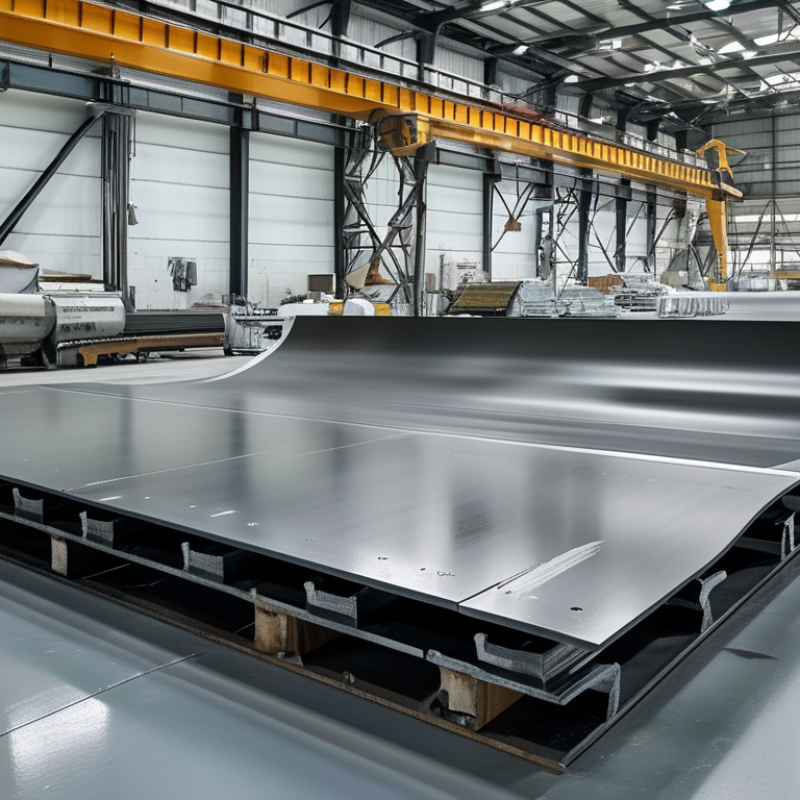
Advantages of Titanium Alloy Sheets in Engineering Applications
Titanium alloy sheets offer significant advantages in engineering applications. Their strength-to-weight ratio is exceptional. This makes them suitable for aerospace and automotive industries where weight reduction is crucial. According to a report by the International Titanium Association, titanium alloys are about 45% lighter than steel yet provide similar strength levels.
These sheets also exhibit excellent corrosion resistance. They can withstand harsh environments, including seawater and chemicals. A study from the Journal of Materials Science states that titanium alloys have a corrosion resistance of up to 10 times more than stainless steel in certain conditions. This aspect makes them ideal for marine applications and chemical processing industries.
While the benefits are clear, challenges exist. The machining of titanium alloys can be complex. It often requires specialized tools and techniques. Additionally, the initial cost may be higher compared to traditional metals. This can be a barrier for some projects. Balancing these factors is key to making informed decisions in material selection.
Key Properties of Titanium Alloys that Enhance Performance
Titanium alloys have unique properties that set them apart in various industries. One key feature is their incredible strength-to-weight ratio. This means that titanium alloys can be incredibly strong while remaining lightweight. For projects that require strong materials without added weight, titanium is ideal.
Another important property is corrosion resistance. Titanium alloys can withstand harsh environments. This makes them suitable for applications in aerospace and marine settings. However, working with titanium can be challenging. Its machining requires specialized tools and techniques. This can lead to higher costs and longer project timelines.
Additionally, titanium alloys have excellent fatigue resistance. They can endure repeated stress without failing. This is crucial for components that undergo constant strain. However, understanding the nuances of titanium's behavior under different conditions is essential. Engineers must pay close attention to these factors to avoid potential pitfalls in design.
Key Properties of Titanium Alloys Compared to Other Metals
Comparative Analysis: Titanium Alloy Sheets vs. Other Materials
When considering materials for your next project, titanium alloy sheets stand out. These sheets offer a unique combination of strength and lightweight properties, which can be crucial in various applications. Comparing titanium alloys with materials like steel or aluminum reveals some striking differences. While steel is known for its toughness, it is heavier, which can negatively impact efficiency. Aluminum is lighter but lacks the strength that titanium alloys provide.
Titanium alloy sheets shine in high-performance environments. They resist corrosion better than standard steel and are less prone to warping under stress. This durability ensures long-term reliability, especially in aerospace or medical applications. However, the cost of titanium can be a barrier. For many projects, budget constraints might make more common materials a preference.
Choosing titanium alloys could mean better performance but comes with trade-offs. The challenge lies in balancing budgetary limits against the benefits of titanium. Making a decision should involve a careful analysis of your project's specific needs and how materials could impact overall results. Sometimes, going for the cheaper option may lead to more frequent replacements or maintenance. So, weigh your choices wisely.
Applications of Titanium Alloy Sheets in Various Industries
Titanium alloy sheets are increasingly popular across various industries. These sheets are lightweight yet incredibly strong, making them ideal for applications where performance is crucial. In aerospace, for example, titanium alloys provide excellent strength-to-weight ratios. They help ensure fuel efficiency and enhance the structural integrity of aircraft.
In the medical field, titanium alloy sheets are used for implants and surgical instruments. Their biocompatibility makes them safe for human use. The sheets can be shaped into complex designs, catering to specific medical needs. In the automotive industry, these materials contribute to safety and performance. They resist corrosion and withstand high temperatures, adding durability to vehicles.
**Tips:** When selecting titanium alloy sheets, consider the required thickness and grade. Not all titanium alloys are suited for every application. Test for compatibility with other materials in your design. Always review supplier certifications to ensure quality and reliability. It’s vital to match your application’s requirements with the sheet’s specifications for optimal results.
Why Choose Titanium Alloy Sheet for Your Next Project? - Applications of Titanium Alloy Sheets in Various Industries
| Industry | Application | Advantages |
|---|---|---|
| Aerospace | Aircraft frames and components | High strength-to-weight ratio, corrosion resistance |
| Medical | Surgical instruments and implants | Biocompatibility, strength, lightweight |
| Marine | Ship components and offshore structures | Resistance to seawater corrosion, durability |
| Automotive | High-performance vehicle parts | Weight reduction, enhanced performance |
| Sports Equipment | Bicycle frames, golf clubs | Lightweight, high strength, superior performance |
Considerations When Selecting Titanium Alloy Sheets for Projects
When selecting titanium alloy sheets for projects, several considerations come into play. Titanium alloys, known for their excellent strength-to-weight ratio, are ideal for demanding applications. Data from industry reports shows titanium’s tensile strength typically exceeds 900 MPa, making it suitable for aerospace components and marine environments. However, its high cost remains a challenge. A careful cost-benefit analysis is essential before procurement.
Material properties must align with project requirements. Titanium alloys exhibit exceptional corrosion resistance, especially in harsh environments. For instance, Grade 5 titanium offers a perfect blend of formability and durability. However, fabrication can be tricky; it requires skilled expertise due to its unique properties. Not all suppliers provide adequate guidance on handling these materials.
Tip: Always verify the material certification when sourcing titanium sheets. This ensures compliance with industry standards and project specifications.
Additionally, understanding the thickness and dimensional tolerance is crucial. Sheets vary, influencing machining capabilities. Some projects may call for tighter tolerances, impacting performance. Evaluate how different grades respond to machining—this varies significantly among titanium alloys.
Tip: Consider prototyping with smaller sections to assess machining techniques before full-scale production.