



Blog

How to Choose the Best Turning Centre Lathe for Your Needs?

Choosing the right Turning Centre Lathe can be a daunting task. Many factors come into play. Your specific needs and projects determine which features are essential.

Turning Centre Lathes differ in size, capacity, and functionality. A well-chosen lathe can greatly enhance your productivity. However, selecting the wrong one can lead to frustration. It’s important to evaluate your machining requirements carefully.

Consider what types of materials you'll work with. Think about the precision and complexity of your projects. Reliability is crucial; a dependable lathe can save you time and money. A balance between quality and budget is often hard to strike. Finding an expert or reliable source for advice can be invaluable. Understanding these details ensures that you make an informed decision.
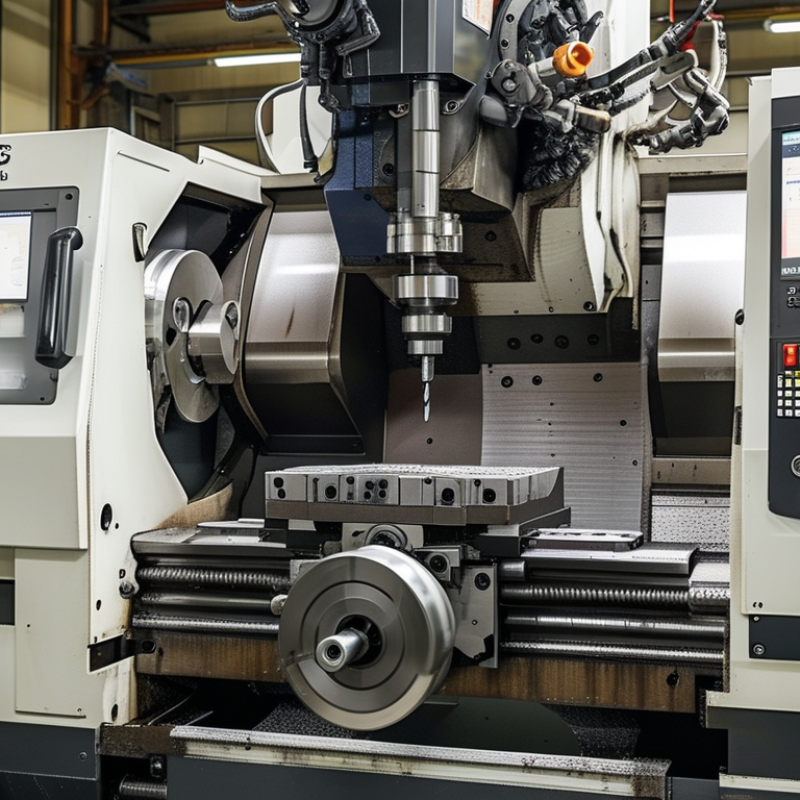
How to Choose the Best Turning Centre Lathe for Your Needs?

Understanding the Different Types of Turning Centre Lathes

When selecting a turning centre lathe, understanding the various types available is crucial. There are primarily two types: horizontal lathes and vertical lathes. Horizontal lathes are most common. They are versatile and ideal for projects requiring long, slender parts. These lathes offer steady support and high accuracy. However, they may struggle with complex shapes.

Vertical lathes come into play when you need to work with larger, heavier components. They allow for easy loading and unloading of materials. Vertical designs can also provide significant precision. However, these machines require space and can be costly.

Every project has unique requirements. It's essential to reflect on your specific needs. Ask yourself what kind of materials you will work with. Consider the space you have available and your budget constraints. Choosing the right lathe isn’t just about specifications. It’s about matching those specifications with your operational needs and skills.

Assessing Your Specific Machining Needs and Requirements

When choosing a turning centre lathe, it's crucial to assess your specific machining needs. Start by evaluating the types of materials you will work with. Different lathes have varying capabilities regarding hardness and size. If you deal with hard metals, you need a robust machine with high torque. Examine the precision required for your projects, too. Micro-adjustments can make a significant difference in quality.

Consider the complexity of your designs. Simple parts may require only basic features. However, complex geometries need advanced functionalities. Pay attention to the machine's tooling options and compatibility with various attachments. This can enhance flexibility and performance.

Think about the production volume necessary for your operations. High-demand situations often require faster cycles. A lathe with higher RPM can be beneficial here. Also, reflect on your workspace. The physical size of the lathe impacts your layout. Choose a machine that fits your environment without crowding other tools. Balancing all these aspects is a challenging but important task.

Key Features and Specifications to Look for in a Lathe

When selecting a turning centre lathe, several key features and specifications stand out. Pay attention to the swing diameter. This measurement determines the size of the workpiece you can manipulate. A larger swing allows for bigger projects. However, it often comes with a trade-off in space and cost. Evaluate your shop's capacity carefully.

Another critical aspect is the spindle speed range. A lathe with variable speed gives you flexibility. You can adjust the speed according to the material being worked on. Generally, lower speeds are suitable for larger diameters, while higher speeds are ideal for smaller, more delicate pieces. Look for machines with good torque across this range.

Consider the bed length next. A longer bed allows for longer workpieces but may require additional setup time. Balance your need for length against the lathe's overall footprint. Also, think about the control options available. CNC capabilities enhance precision, yet they may introduce complexity. Understand what works best for your level of expertise and project requirements. Balancing these features will lead to a more informed choice.

How to Choose the Best Turning Centre Lathe for Your Needs?

Feature Specification
Swing Over Bed 20 inches
Max Machining Diameter 16 inches
Max Machining Length 40 inches
Spindle Speed 4000 RPM
Spindle Motor Power 5 HP
Tool Post Style Quick Change
Weight 2000 lbs
CNC Control Yes (optional)
Price Range $10,000 - $20,000

Budget Considerations: Cost vs. Quality in Turning Centre Lathes

When selecting a turning centre lathe, budgeting is crucial. The cost of these machines can vary widely. Higher prices often suggest better quality, but not always. Some affordable options may meet your needs with fewer features.

Evaluate your operational demands. Identify the materials you’ll be using and the complexity of your projects. Features like precision and speed are key. A less expensive model might lack advanced capabilities. This can lead to inefficiencies, and potentially impact your work quality.

Researching user reviews and expert opinions can help weigh cost against quality. Sometimes, a higher initial investment brings lasting reliability. However, it’s essential to reflect on your specific requirements. A balance between cost and performance is essential. The right lathe will support your productivity without breaking your budget.

Choosing a Reputable Manufacturer and Supplier for Your Lathe

Choosing a reputable manufacturer for your turning centre lathe is essential. The right supplier can significantly affect your production efficiency. Look for manufacturers with a proven track record in the industry. Check online reviews and testimonials from other customers. Reliable feedback ensures you make an informed decision.

Evaluate the manufacturer's after-sales service. Quality support can make a big difference. When you experience issues, having access to knowledgeable staff is crucial. Investigate warranties and maintenance options offered. A solid warranty reflects the manufacturer’s confidence in their product.

Quality materials and modern technology are important indicators of reliability. Ensure the manufacturer uses high-grade components in their lathes. Visit their facility if possible. Observing their production processes can reveal insights into their commitment to quality. Remember, the best choice combines experience and trust. Finding the right partner may take time, but it’s worth the investment.

Choosing the Best Turning Centre Lathe: Performance Comparison

Register now