


Blog
How to Choose Bioplastic Packaging: A Complete Guide for Eco-Friendly Choices
In recent years, the growing importance of sustainable practices has led to an increased interest in bioplastic packaging as an eco-friendly alternative to traditional plastics. Bioplastic packaging, derived from renewable resources such as plants and starches, offers a promising solution to the pressing environmental challenges posed by conventional petroleum-based plastics. As consumers and businesses alike seek to minimize their environmental impact, understanding the choices available in bioplastic packaging becomes essential.
Choosing the right bioplastic packaging can be a daunting task due to the variety of materials and formulations available on the market. This comprehensive guide aims to empower readers with the knowledge needed to make informed decisions that align with their sustainability goals. Factors such as biodegradability, compostability, and material sourcing will be explored, ensuring that the selected packaging not only serves its primary function but also contributes positively to the planet’s well-being. In navigating the world of bioplastic packaging, one can make eco-friendly choices that support a circular economy and promote a greener future.
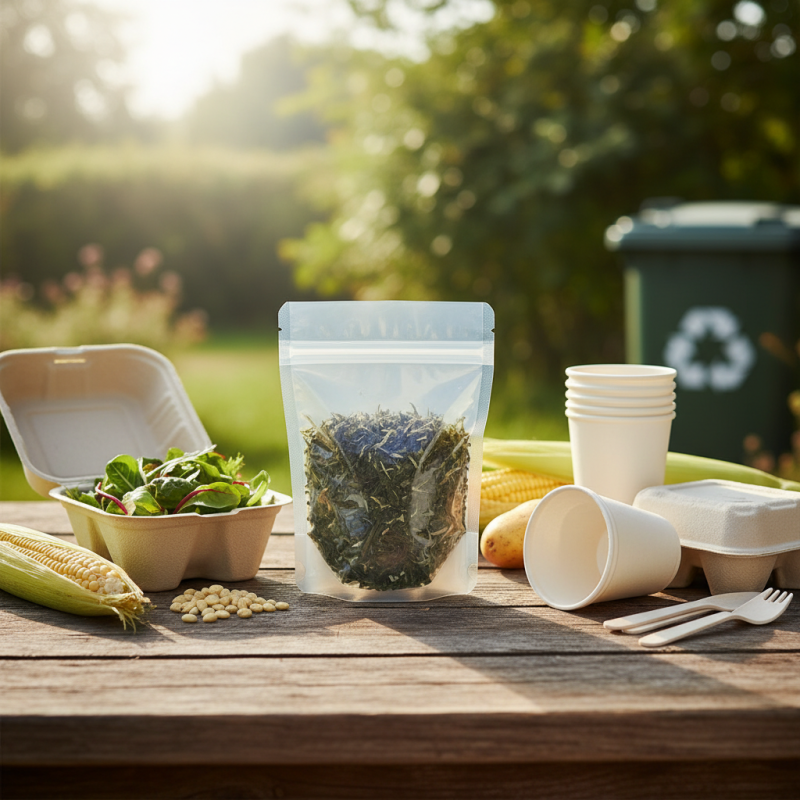
Understanding Bioplastics: Types and Properties
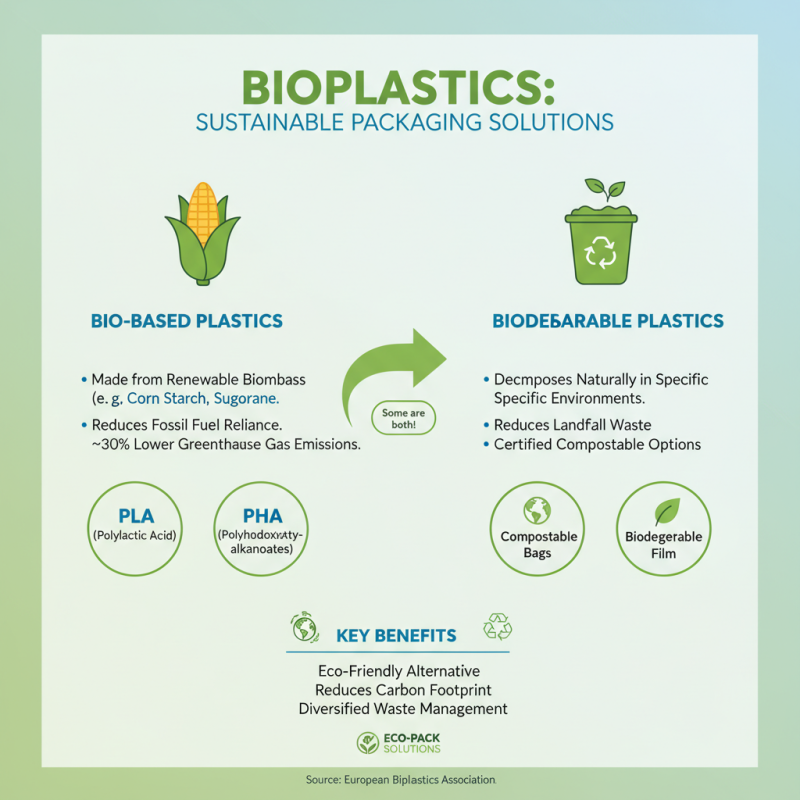
Bioplastics are an innovative solution for sustainable packaging, offering an eco-friendly alternative to traditional petroleum-based plastics. Understanding the different types and properties of bioplastics is crucial for making informed choices. There are primarily two categories of bioplastics: bio-based and biodegradable. Bio-based plastics, such as polylactic acid (PLA) and polyhydroxyalkanoates (PHA), derive from renewable biomass sources like corn starch or sugarcane. These materials not only reduce reliance on fossil fuels but also lower greenhouse gas emissions by approximately 30% compared to conventional plastics, as indicated by a report from the European Bioplastics Association.
On the other hand, biodegradable plastics can either be bio-based or petroleum-based, designed to decompose under specific conditions. The decomposition rate varies based on the environmental factors, with some materials breaking down in composting systems within 90 to 180 days, while others may take years if not properly disposed of. According to a study published in the journal "Environmental Science & Technology," proper disposal infrastructure is pivotal for realizing the benefits of bioplastics. Furthermore, the ability of bioplastics to return to the environment as nutrients further enhances their appeal in a circular economy model, reducing the accumulation of plastic waste and promoting sustainable practices in packaging.
Benefits of Using Bioplastic Packaging for the Environment
Bioplastic packaging offers numerous benefits for the environment, making it an increasingly popular choice for sustainable practices. One of the primary advantages is its ability to reduce reliance on fossil fuels. Traditional plastics are derived from petroleum, a non-renewable resource. In contrast, bioplastics are made from renewable biological materials, such as plant starches, which can significantly lower carbon emissions associated with production and disposal.
Another critical benefit of bioplastic packaging is its potential for biodegradability. Many bioplastics are engineered to break down more easily in composting environments compared to conventional plastics, which can take hundreds of years to decompose. This reduced persistence in the environment helps mitigate the issue of plastic pollution, which poses a significant threat to wildlife and ecosystems. Furthermore, the use of bioplastics encourages a circular economy, as they can often be recycled and repurposed within a sustainable system, promoting responsible consumption and production practices.
Key Factors to Consider When Choosing Bioplastic Packaging
When choosing bioplastic packaging, several key factors must be considered to ensure you make an eco-friendly choice that aligns with sustainability goals. Firstly, look at the source of the materials. Bioplastics can be derived from renewable resources such as cornstarch or sugarcane. Prioritizing those that utilize sustainable agricultural practices can greatly reduce the environmental impact of the packaging.
Another crucial factor is the end-of-life options for the bioplastic packaging. Not all bioplastics are created equal when it comes to compostability and recyclability. Some may only be suitable for industrial composting facilities, while others can decompose in home composting systems. Understanding local waste management capabilities is essential.
Tips: Always check for certifications or labels that indicate the compostability of the bioplastic you choose. Additionally, consider the life cycle of the product — from production to disposal — to ensure it meets your ecological criteria. Make sure to communicate with suppliers about the sustainability of their sourcing and disposal options, as transparency is key in making informed decisions.
Comparing Bioplastics with Traditional Plastics: A Sustainability Perspective
When comparing bioplastics with traditional plastics, it's essential to consider their environmental impacts and sustainability benefits. Traditional plastics, primarily derived from fossil fuels, contribute significantly to greenhouse gas emissions and ocean pollution. According to a report by the Ellen MacArthur Foundation, if current trends continue, the cumulative plastic pollution could reach 1.3 billion metric tons by 2040. In contrast, bioplastics are made from renewable resources such as corn starch, sugarcane, and other biomass, which not only reduce the carbon footprint but also offer the potential for biodegradability and compostability, depending on the material.
Moreover, a study published in the journal Nature Sustainability highlights that bioplastics can have a substantially lower environmental impact over their lifecycle compared to conventional plastics. The report indicates that bioplastics can result in up to 70% lower greenhouse gas emissions, primarily due to the reduced reliance on fossil fuels. Additionally, the European Bioplastics Association suggests that increasing the share of bioplastics in the market could lead to a significant decline in petroleum consumption, further emphasizing the importance of transitioning towards more eco-friendly packaging solutions.
As consumers become increasingly aware of these sustainability metrics, the demand for bioplastic alternatives is expected to surge, paving the way for more environmentally responsible packaging choices.
Certifications and Standards for Eco-Friendly Bioplastic Packaging
When choosing bioplastic packaging, understanding the certifications and standards that validate eco-friendliness is crucial. Look for recognized certifications such as the Biodegradable Products Institute (BPI) certification, which ensures that products meet specific compostability standards. Other notable certifications include ASTM D6400 and EN 13432, which certify materials that can degrade in composting environments. These certifications not only promote transparency but also help consumers make informed decisions.
**Tips:** Before purchasing bioplastic packaging, check for labels that indicate compliance with these standards. This will ensure that the product not only claims to be biodegradable but has been tested and certified by an authoritative body. Additionally, it’s beneficial to research the sourcing of raw materials used in bioplastics; renewable resources like corn or sugarcane can significantly impact the sustainability of the packaging.
Another standard to consider is the ISO 14021, which provides guidelines for environmental claims. This certification specifies the use of terms like "biodegradable" and "renewable," warranting that the claims made are substantiated. Always confirm that the bioplastic packaging you're considering aligns with these standards to support eco-friendly choices for your projects.
Related Posts
-
Exploring the 2025 Top Types of Plastics in Our Ever-Changing Plastic World
-

2025 Top 10 Anti Retardant Products for Enhanced Safety and Performance
-
The Science Behind Black Masterbatch: Revolutionizing Polymer Coloration Techniques
-

Why the Demand for Plastic Compounds is Surging in the Manufacturing Industry
-
What is Color Masterbatch and How It Revolutionizes Plastic Manufacturing
-
Exploring the Science Behind Color on Plastic: How Pigments Transform Materials