



Blog

How to Choose the Right Permanent Magnet DC Motor for Your Needs?

Choosing the right Permanent Magnet DC Motor can be challenging. Understanding your specific needs is crucial. Different applications require different specifications. Whether you need high torque for lifting or efficient speed for fans, the right motor makes a difference.

Consider the motor's voltage and current ratings. These specifications greatly influence performance. A mismatch can lead to inefficiencies or even damage. Make sure to examine the torque-speed curve. This chart can guide you in selecting the correct model.

Don’t overlook the importance of reliability. A high-quality Permanent Magnet DC Motor ensures longevity and reduced maintenance. However, cheaper options may seem attractive; they can lead to higher costs in the long run. Always weigh your options carefully. Understanding both your needs and the motor's capabilities is key to making an informed decision.
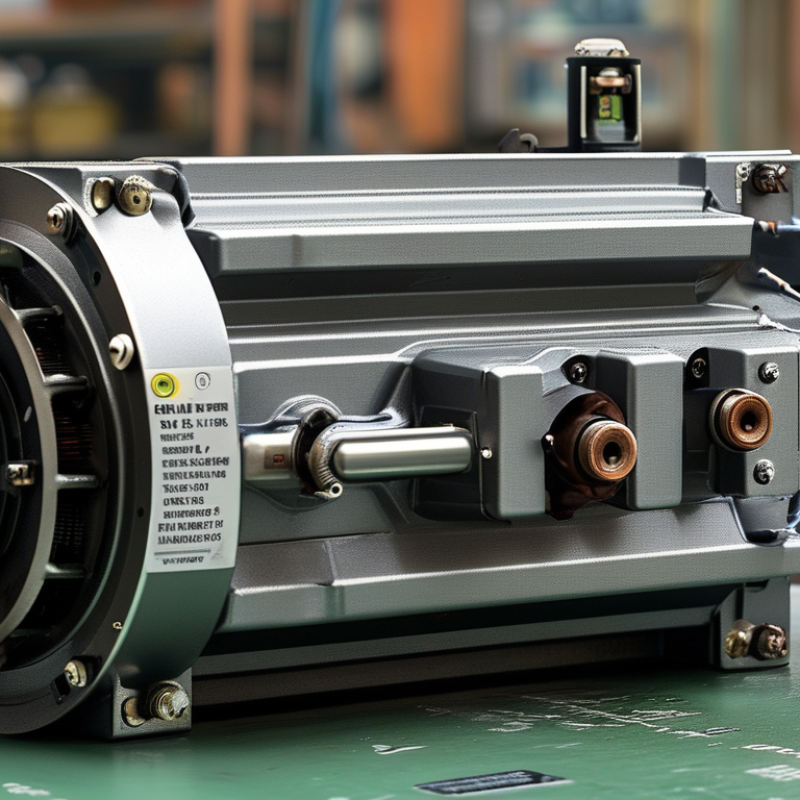
How to Choose the Right Permanent Magnet DC Motor for Your Needs?

Understanding Permanent Magnet DC Motors: Key Features and Benefits

Permanent magnet DC motors (PMDC) have become popular due to their efficiency and compact design. Understanding their key features can help you make an informed choice. One major advantage of PMDC motors is their high torque-to-weight ratio. This makes them ideal for applications requiring a lightweight yet powerful solution. Additionally, these motors provide smooth operation and reduced maintenance needs.

Tips: Consider the power requirements before selecting a motor. It's crucial to ensure the motor can handle the load without overheating. Assessing the voltage range is also important to avoid over-voltage situations, which can shorten motor life.

Another benefit is their simplicity in design. PMDC motors do not require complex controllers, which can reduce overall costs. However, it's worth noting that they may not offer the best performance in extreme temperature conditions. You should explore how the motor will operate within your specific environment. This reflection can assist in choosing a more suitable option if necessary.

Tips: Pay attention to the application specifics. Be aware of the torque requirements and speed ranges needed for proper function. Estimating these factors correctly will save you time and resources in the long run.

Identifying Your Application Requirements for Motor Selection

Selecting the right permanent magnet DC (PMDC) motor requires a clear understanding of your specific application needs. Start by defining the required voltage and current range. For example, many industrial applications operate within 12V to 48V DC motor systems. According to industry reports, using motors that operate near their rated voltage increases operational efficiency and extends their lifespan.

Consider the torque and speed requirements for your project. PMDC motors can offer high torque at low speeds, making them suitable for robotics or conveyor systems. Data shows that choosing the right torque range can prevent overheating and improve performance. Thus, knowing the load conditions is crucial.

Environmental factors cannot be overlooked. Motors exposed to harsh conditions may need additional protection, like enclosures. Dust and moisture can damage sensitive parts. Furthermore, consider the motor's size. Some applications require compact designs, while others can accommodate larger motors. Reflecting on these aspects will help in making an informed decision.

How to Choose the Right Permanent Magnet DC Motor for Your Needs?

Motor Type Voltage (V) Rated Power (W) Rated Speed (RPM) Torque (Nm) Efficiency (%) Application
Standard PMDC Motor 24 100 3000 0.3 85 Robotics
High Torque PMDC Motor 48 200 1500 0.6 80 Automotive
Compact PMDC Motor 12 50 6000 0.15 87 Consumer Electronics
Heavy Duty PMDC Motor 36 300 1800 1.0 75 Industrial Equipment

Evaluating Motor Specifications: Voltage, Current, and Power Ratings

When choosing a permanent magnet DC motor, understanding motor specifications is crucial. Voltage ratings determine the suitable power source for the motor. A common voltage range for these motors is 6V to 48V. Selecting a voltage that matches your application can improve efficiency. A mismatch may lead to overheating or insufficient performance.

Current ratings indicate how much electricity the motor will draw under load. For instance, a motor with a nominal current rating of 5A will require appropriate circuit protection. Excessive current draw can damage both the motor and control circuits. It's essential to analyze the application needs, as a higher current rating often translates to a more powerful motor.

Power ratings, expressed in watts, reflect the motor's output capabilities. Industry standards suggest that motors used in robotics often operate between 10W to 500W, depending on performance demands. However, overestimating power needs can result in over-engineering and unnecessary costs. Consider actual application scenarios carefully. Reflecting on these parameters can lead to better decision-making.

Assessing Physical Size and Mounting Considerations for Your Motor

When selecting a permanent magnet DC motor, physical size is crucial. The motor's dimensions determine how it fits into your design. Consider available space for mounting. A report from the International Electrotechnical Commission highlights that improper sizing can lead to performance issues. A motor that is too large may require modifications to your equipment. On the other hand, a small motor might not deliver the needed torque.

Mounting considerations also play a vital role. Various mounting types include face, flange, and shaft. Each has unique advantages suited to specific applications. For instance, face mounts are often used in tight spaces. A survey by the Electric Motor Association points out that 30% of failures can be traced back to improper mounting. This underscores the importance of a secure installation.

Additionally, vibration dampening needs to be examined. Motors can produce significant vibrations during operation, affecting performance. To mitigate this, check for proper alignment and secure mounting points. An analysis from the Motor and Drive Systems Conference showed that neglecting vibration control could reduce motor lifespan by up to 40%. Thus, a thoughtful approach to size and mounting will enhance both function and durability.

Comparing Cost and Quality: Choosing a Reliable Motor Supplier

When choosing a reliable motor supplier, it's essential to compare both cost and quality. Quality isn’t just about high prices; it reflects the reliability and efficiency of the motor. A lower-priced motor may save money initially but could lead to higher maintenance costs down the line. Often, the cheapest option lacks durability and may not meet your performance needs. This can affect overall project success.

A supplier’s reputation is crucial. They should have experience in the industry and a track record of quality products. Look for reviews and case studies that highlight their expertise. Some suppliers may promise excellent service but fail to deliver when challenges arise. Asking for references can provide insights into their reliability. Don’t forget to evaluate warranty policies; a robust warranty can be a sign of a manufacturer’s confidence in their product.

Ultimately, trust your instincts. If something feels off about a potential supplier, it may be worth exploring other options. Balancing cost and quality demands careful consideration. The relationship with your supplier should be built on transparency and mutual benefit. Reflect on past experiences to inform your future choices.

Comparison of Permanent Magnet DC Motors

This chart compares three different permanent magnet DC motors based on cost, quality rating, efficiency, and durability. Selecting the right motor depends on balancing these aspects according to your specific needs.

Register now