



Blog
How to Choose Teflon Bushings for Your Projects?
Selecting Teflon Bushings requires careful consideration. These components are vital in many projects. They provide low friction and high wear resistance. Understanding their specifications can greatly affect performance.
When choosing Teflon Bushings, consider size, load capacity, and material compatibility. Each application poses unique challenges. For example, some environments may require chemical resistance or high-temperature tolerance. Without this knowledge, one might face premature failures.
It’s important to evaluate brands and consult experts. Not all Teflon Bushings are created equal. Quality varies among manufacturers, impacting reliability. Reflect on the specific needs of your project. Prior planning is essential for success.
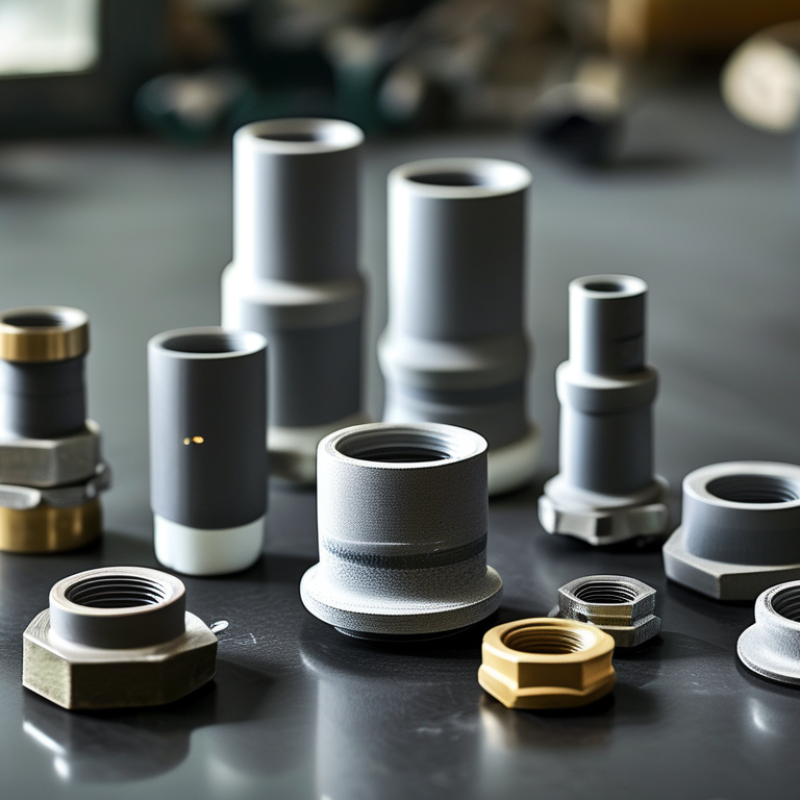
Understanding Teflon Bushings and Their Applications
Teflon bushings are critical in many industrial applications due to their unique properties. These bushings excel in reducing friction and wear in moving parts. They can endure high temperatures and corrosive environments. The global market for these components is projected to reach $2 billion by 2027, driven by demand in automotive and aerospace sectors.
When selecting Teflon bushings, consider the specific operating conditions. Factors like load capacity, temperature, and speed influence performance. It's essential to match the bushing material with the demands of your project. A mismatch can lead to premature failure and increased costs.
Tip: Always test your Teflon bushing in real-world conditions. This can help identify potential issues early.
It's important to note that while Teflon bushings are durable, they may not be the best choice for every application. For example, in environments with extreme mechanical stress, other materials might perform better. The key is to evaluate all factors carefully before making a decision.
Tip: Consult with professionals to gain insights on optimal material choices. Their expertise can prevent costly mistakes in your projects.
How to Choose Teflon Bushings for Your Projects?
| Dimension | Material Composition | Temperature Resistance (°C) | Load Capacity (lbs) | Applications |
|---|---|---|---|---|
| 1/2" ID x 3/4" OD | PTFE | 260 | 50 | Aerospace, Automotive |
| 3/4" ID x 1" OD | PTFE | 260 | 70 | Industrial Equipment |
| 1" ID x 1 1/4" OD | PTFE | 260 | 100 | Marine Applications |
| 1 1/2" ID x 2" OD | PTFE | 260 | 150 | High-performance Machinery |
Key Factors to Consider When Choosing Teflon Bushings
When choosing Teflon bushings, consider several key factors. First, identify the environmental conditions. Teflon is heat-resistant and works well in various temperatures. However, it can degrade under extreme conditions. Assess the working environment to ensure durability.
Materials also play a significant role. Teflon bushings are available in different grades. Each grade offers unique mechanical properties. Choose a grade aligned with your project’s demands. For heavy loads, a higher-grade Teflon is ideal.
Pay attention to dimensions and tolerances. Accurate measurements can prevent operational issues. A loose fit may lead to premature wear. Conversely, a tight fit can cause excessive friction. Always verify your specifications before making a decision.
Choosing Teflon Bushings: Key Factors Analysis
This bar chart illustrates the key factors to consider when selecting Teflon bushings for your projects, including Temperature Resistance, Chemical Resistance, Cost, Load Capacity, and Friction Coefficient. Each factor is rated on a scale from 1 to 10 based on its importance in the selection process.
Comparing Teflon Bushings with Other Materials
When selecting Teflon bushings, it is essential to compare them with other materials. Teflon is known for its low friction and lubrication properties. However, not all projects require these advantages. For example, metal bushings provide higher load-bearing capabilities. In rugged environments, metal might outperform Teflon, especially in heavy-duty applications.
Another material to consider is nylon. Nylon bushings are durable and can handle moderate loads well. They are often cheaper than Teflon. However, nylon may not withstand high temperatures like Teflon does. This limitation can be crucial for projects exposed to heat.
Plastic Bushings, while lightweight, often fail under pressure. They may wear out quicker than Teflon and nylon. When evaluating materials, consider the specific requirements of your project. Balancing cost, performance, and durability is critical. Each material has its drawbacks. Understanding these can lead to better decision-making.
Installation and Maintenance Tips for Teflon Bushings
When installing Teflon bushings, precision is everything. Ensure that the bushing fits snugly into its housing. This requires careful measuring and alignment. A report from the American Institute of Chemical Engineers suggests that improper installation can reduce performance by over 30%. This statistic underscores the importance of attention to detail during installation.
Maintenance is crucial for the longevity of Teflon bushings. Regular inspections can catch wear and tear early. Look for signs of friction or unusual wear patterns. Lubrication is key; however, too much can attract dirt. The Society of Tribologists and Lubrication Engineers highlights that maintaining a balanced lubrication approach can enhance the lifespan of bushings by up to 50%.
Invest in high-quality tools for installation and maintenance. This may seem like a larger expense initially. Yet, it saves you from costly replacements. Balancing quality and cost is often a challenge. Aim for reliability over short-term savings. In the world of Teflon bushings, those who invest wisely reap the rewards in durability and efficiency.
Common Mistakes to Avoid When Selecting Teflon Bushings
Choosing Teflon bushings may seem straightforward, yet several common mistakes can lead to subpar performance. One frequent error is neglecting to consider the operating environment. Temperature and exposure to chemicals can impact the longevity and functionality of Teflon materials. Always evaluate these factors diligently to avoid premature failure.
Another common pitfall is selecting bushings based solely on size. A perfect fit is crucial, but other attributes matter. For instance, friction coefficients and load ratings also play significant roles. Oversizing or undersizing can cause issues with alignment and load distribution. Take your time to analyze specifications thoroughly.
In addition, underestimating the importance of quality can lead to frustration. Not all Teflon bushings are created equal; differences in manufacturing processes affect reliability. A cheap choice might seem appealing, but it may cost more in the long run. It’s vital to reflect on how initial savings can lead to future complications. Investing in quality often outweighs the short-term benefits of budget options.