



Blog

How to Choose the Best Belt Conveyor for Your Business Needs?

Choosing the right Belt Conveyor is crucial for any business. An expert in the field, John Smith, once stated, “The right conveyor can transform your operations.” With various options available, selecting the best belt conveyor must be a thoughtful process.

Understanding your specific needs is essential. Different industries have unique requirements. For instance, a food processing plant may demand a conveyor that meets strict hygiene standards. In contrast, a warehouse might prioritize efficiency and durability. It’s important to evaluate weight capacity, material type, and environmental factors.

Pay attention to the details of design and functionality. A poorly chosen belt conveyor can lead to operational inefficiencies. Sometimes, companies overlook the significance of maintenance and support options. Investing time in selection can pay off. Evaluate your options carefully to achieve optimal productivity and reliability in your operations.
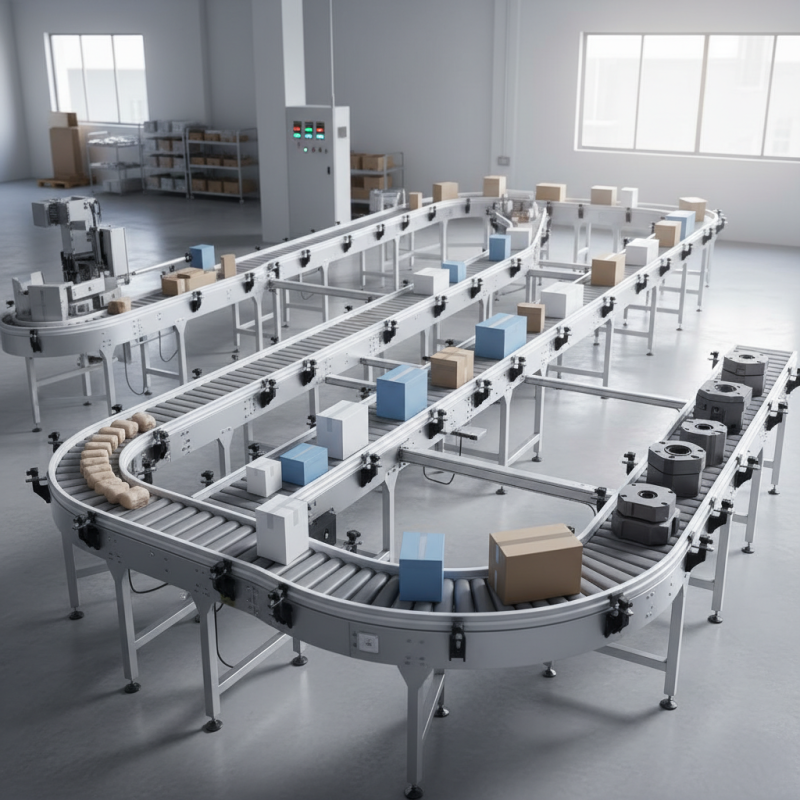
How to Choose the Best Belt Conveyor for Your Business Needs?

Understanding Different Types of Belt Conveyors and Their Applications

When selecting a belt conveyor for your operation, understanding the various types is crucial. There are flat belt conveyors, modular belt conveyors, and cleated belt conveyors, each serving unique purposes. Flat belt conveyors are versatile and ideal for transporting items of different shapes and sizes. Modular systems are great for complex routing. Cleated belts are perfect for materials that need to be elevated or transported at an angle.

Consider the load capacity when choosing a conveyor. If your products are heavy, a heavy-duty modular conveyor may be necessary. For lighter items, a simple flat belt could suffice. You should also think about the environment. Will it be used indoors or outdoors? This affects material choice and design.

Tips: Assess the maintenance needs of each type. Some systems require regular adjustments or replacements. Ensure your team is trained for proper operation. Lastly, be mindful of safety features. They can vary significantly across types, reflecting their applications. Investing time to analyze your specific needs can enhance your overall productivity.

Evaluating Material Specifications: Weight, Size, and Type for Conveyor Selection

When selecting a belt conveyor, evaluating material specifications is crucial. The weight of the materials to be transported directly influences the conveyor's design and capabilities. For instance, heavy materials require robust conveyors that can withstand increased stress and strain. Using a conveyor not designed for heavy loads can lead to breakdowns and increased maintenance costs.

The size of the materials also plays a significant role. Larger items may necessitate wider belts or specialized designs. This ensures a secure grip and prevents items from falling off during transport. In contrast, smaller materials might suggest a need for tighter spacing and smaller pulleys to optimize efficiency. It's essential to analyze the dimensions of your materials carefully.

The type of material being conveyed should never be overlooked. Different materials have varying friction coefficients. For example, slick surfaces require different belt materials compared to abrasive materials. This can affect the conveyor's performance and lifespan. Ensuring that the conveyor matches the material type is vital for reliability. Take the time to assess these aspects. Make careful comparisons and avoid hasty decisions that might lead to future challenges.

Material Specifications for Belt Conveyors

Assessing Conveyor System Capacity: Throughput Rates and Efficiency Metrics

Selecting the right belt conveyor is vital for optimizing operational efficiency. A key factor is assessing the conveyor system's capacity. This includes throughput rates, which measure how much material can be moved in a given time. Knowing your throughput needs helps prevent bottlenecks in production. If you require high volume, a system designed for significant capacity is essential.

Efficiency metrics further contribute to this analysis. They indicate how effectively the conveyor operates, factoring in energy consumption and operational speed. A conveyor that runs efficiently reduces costs and boosts profitability. However, it's essential to evaluate real-world performance, not just theoretical figures. Sometimes, what works on paper fails in practice.

Consider your specific application and required materials. The weight, size, and environment of the items being transported can affect performance. Regular assessment of these elements will ensure you maintain optimal rates. Reflecting on past conveyor choices can shed light on future improvements. Making adjustments based on these insights will align your conveyor system with your business needs.

How to Choose the Best Belt Conveyor for Your Business Needs?

Conveyor Type Max Load Capacity (kg) Throughput Rate (ton/hour) Efficiency (%) Power Consumption (kW)
Modular Belt Conveyor 500 20 85 3.5
Wire Mesh Belt Conveyor 300 15 80 2.0
Roller Bed Conveyor 700 25 90 4.0
Cleated Belt Conveyor 400 18 75 2.5
Flexible Belt Conveyor 250 10 70 1.5

Customization Options: Belts, Drives, and Controls for Specific Business Needs

When selecting a belt conveyor, customization is crucial. You need to consider specific business needs. Factors like the type of products being transported and the layout of your facility significantly affect your choice. According to a recent industry report, over 45% of businesses reported increased efficiency through tailored conveyor systems. This highlights the importance of evaluating options carefully.

Belts can vary widely in material and design. Selecting the right belt material ensures optimal friction and durability. For instance, rubber belts are ideal for heavy loads, while modular plastic belts are suitable for food processing. Additionally, drives play a vital role in the overall performance of the conveyor system. Understanding the power requirements and selecting the appropriate motor is essential. An ill-suited motor could lead to inefficiencies and increased energy costs.

Control systems also dictate how well a conveyor operates. Modern systems offer greater flexibility and automation. However, some businesses overlook the complexity of these systems. Up to 30% of companies experience operational disruptions due to inadequate control setups. Addressing these customization options can significantly enhance performance, though the initial transition may present challenges. Balancing these aspects can ensure that your conveyor system meets your unique production requirements.

Cost-Benefit Analysis: Initial Investment vs. Long-Term Operational Savings

When selecting a belt conveyor, understanding the cost-benefit analysis is crucial. The initial investment can be significant. However, the long-term savings often surpass this upfront cost. Efficient conveyors reduce labor costs and minimize downtime. They can also improve product handling, leading to higher productivity.

An analysis of operational costs reveals important insights. For example, maintenance expenses can accumulate over time. If a conveyor prompts frequent repairs, that cost can overshadow initial savings. Therefore, investing in high-quality equipment may appear expensive now. Yet, it can lead to lower maintenance costs in the long run.

Customization of your conveyor system is essential. Tailoring to your specific product flow can enhance efficiency. This might require additional upfront expenses, but the boost in operational efficiency is worth it. A reflective approach can uncover hidden benefits, such as increased safety and improved employee morale. These factors contribute to long-term success in your business.

Register now