



Blog

How to Choose the Best Galvanized Sheet for Your Project?

Choosing the right galvanized sheet for your project can be a daunting task. Various factors come into play, from gauge thickness to zinc coating weight. Understanding these factors is crucial for ensuring durability and performance in your applications. The galvanization process itself involves coating steel with zinc, which offers resistance against rust and corrosion. This quality makes galvanized sheets a preferred choice for construction and industrial projects.

However, not all galvanized sheets are created equal. Some may lack adequate protection or have varying levels of quality. It’s essential to assess the specific requirements of your project. Consider the environment where the galvanized sheet will be used. Will it face extreme weather conditions? These details matter significantly. You may also find discrepancies in thickness among manufacturers.

Exploring your options carefully can help prevent costly mistakes. Don’t hesitate to consult professionals for advice. They can offer insights based on experience. Remember, a wise selection of galvanized sheet will impact your project's longevity and performance. A little research can lead to informed decisions with lasting benefits.
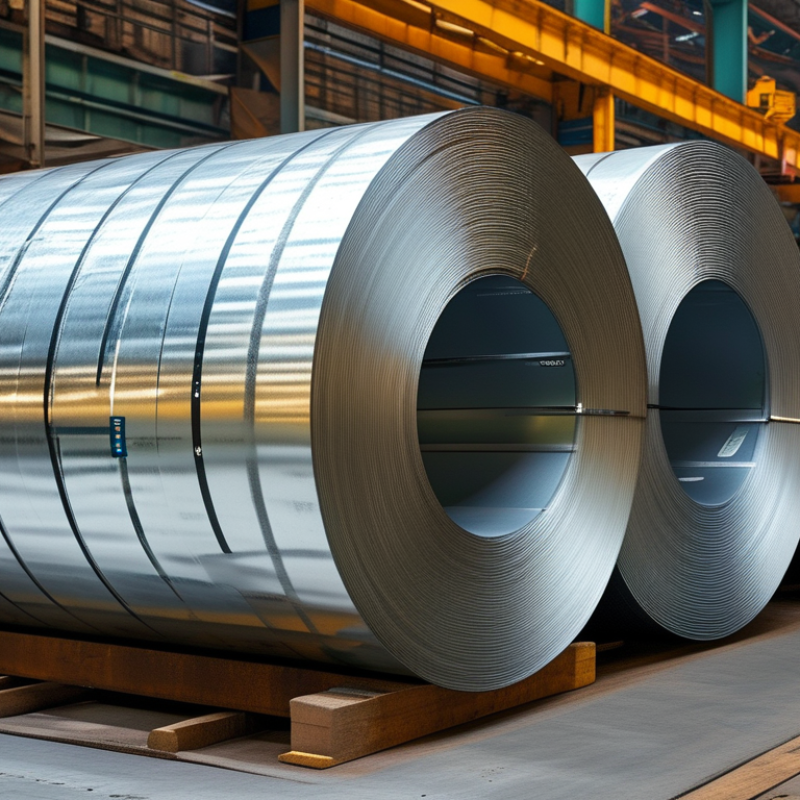
How to Choose the Best Galvanized Sheet for Your Project?

Understanding Galvanized Sheets: Definition and Uses

Galvanized sheets are steel plates coated with zinc. This protective layer helps prevent rust and corrosion. They are commonly used in construction, automotive, and manufacturing industries. Their ability to withstand harsh environments makes them a popular choice. Many people use galvanized sheets for roofing, metal siding, and outdoor furniture.

Choosing the right galvanized sheet requires understanding its properties. Thickness and coating weight are key factors. Thicker sheets provide more durability, while a heavier zinc coating offers better protection. Keep in mind that not all galvanized sheets are suitable for indoor use. Some may emit harmful fumes when heated.

Inspecting the surface is crucial too. Look for consistent coating and absence of scratches. Be wary of cheap alternatives; they often compromise quality. Understanding these details will influence your selection. A well-informed choice can lead to a successful project, although mistakes can happen along the way. Take the time to assess your needs before purchasing. This ensures you use the right material for your specific application.

Assessing Project Requirements: Size, Thickness, and Coating

When choosing a galvanized sheet for your project, assessing project requirements is crucial. Start by determining the size of the sheet you need. Accurate measurements help prevent waste and ensure a good fit. Larger projects may require sheets that are 10 feet or more in length, while smaller jobs might only need 2 to 4 feet. Make sure you account for any cutouts or overlaps as well.

Thickness is another key consideration. Galvanized sheets come in various gauges, typically ranging from 24 to 12. Thicker sheets offer greater strength and durability. However, they are also heavier and may increase the cost. Use thicker sheets for structures that face heavy loads or harsh environments. Meanwhile, lighter sheets work well for decorative or less demanding applications.

**Tips:** Consider the environment where your project will be located. Coastal areas may need thicker coatings to resist corrosion. Also, when in doubt, consult professionals or design guidelines to determine the optimal thickness and size for your application. Think about how these choices impact the overall integrity of your project. Balancing cost and performance can be challenging, but careful thought leads to better results.

How to Choose the Best Galvanized Sheet for Your Project?

Dimension Description Common Uses Thickness Range (mm)
Size Dimensions vary, typically standardized sizes available Construction, automotive components, roofing 0.5 - 3.0
Thickness Indicates the durability and strength of the sheet Industrial applications, structural support 0.4 - 2.5
Coating Protective layer provides resistance to corrosion Outdoor structures, galvanized piping N/A

Evaluating Environmental Factors: Corrosion Resistance and Durability

When selecting galvanized sheets, understanding their corrosion resistance and durability is essential. Galvanization provides a protective layer of zinc, which notably improves the lifespan of steel components. According to a report from the American Galvanizers Association, galvanized steel can last over 50 years in certain environments. However, it’s crucial to consider local conditions. Factors like humidity, salt exposure, and industrial pollutants can significantly shorten the life of galvanized products.

The Marine Corrosion Test indicates that galvanized steel performs poorly in saline environments compared to other materials. In coastal areas, choosing the right thickness is vital. A study from the International Journal of Corrosion found that thicker coatings offered better protection against rust. Nevertheless, relying solely on galvanization may lead to complacency. Regular inspections and maintenance are necessary to ensure long-lasting performance.

Ultimately, understanding these environmental factors can guide you in making informed choices about galvanized sheets. Balancing cost with durability is often a reflection of the specific project requirements. Users should always weigh the potential for corrosion against the expected lifespan of their galvanized products.

Comparing Quality and Standards: Grades of Galvanized Steel

When selecting galvanized steel for your project, understanding the different grades is essential. Grades of galvanized steel are based on the composition and treatment processes. The common standards include G90 and G60. G90 offers higher corrosion resistance, while G60 is more economical. Knowing these grades helps ensure that the material meets your project's durability requirements.

It's important to consider the environment where the steel will be used. For instance, if the project is in a coastal area, opting for a higher grade of galvanized steel is advisable. Some grades might not withstand harsh conditions. In some cases, you may find that the lowest grade meets your needs, but this could lead to unexpected issues later on.

Furthermore, the thickness of the zinc coating can impact longevity. A thicker coating means better protection against rust. Choosing a lower-quality grade may save money upfront but could be a false economy. Always analyze your project’s demands versus the steel’s specifications before making a decision. Balancing cost and quality is a constant challenge in construction.

Comparing Grades of Galvanized Steel

Cost Considerations: Budgeting for Your Galvanized Sheet Project

When planning a project that requires galvanized sheets, cost considerations are crucial. The price of these sheets varies significantly based on thickness, size, and coating. According to a 2021 report by the Steel Market Development Institute, galvanized steel can average between $600 to $900 per ton, depending on these factors. For small projects, even minor price differences can impact the budget. Understanding the nuances of pricing is essential for efficient planning.

In addition to material costs, there are other aspects to consider. Shipping and handling fees can vary widely. For instance, a project based in a rural area may incur higher transport costs than one in an urban center. Labor costs also play a role; hiring skilled workers for installation could add 20% to 30% to your budget. Keep in mind that some contractors mark up their prices based on material costs.

Finally, it's worth noting that while galvanized sheets might seem more expensive upfront, their longevity can save money over time. A well-documented case study from the American Galvanizers Association indicated that projects using galvanized steel report fewer maintenance costs, leading to savings off future budgets. However, it’s essential to balance immediate costs with long-term value.

Register now