


Blog

How to Choose the Right Color on Plastic for Your Products?

Choosing the right color on plastic is more than just an aesthetic choice. It affects branding, product perception, and customer experience. The color on plastic can evoke emotions and influence buying decisions. For instance, a vibrant red might attract attention, while a calming blue can inspire trust.

However, selecting the perfect shade requires careful consideration. Not every color works well on plastic due to variations in reflectivity and surface texture. Additionally, colors may appear differently under various lighting conditions. It’s essential to test samples and see how they look in real-world settings.

Mistakes can happen. A color that seemed ideal in a sample might fail in production. It’s vital to seek professional advice and utilize modern technology for accurate color matching. Understanding the psychology behind color choices can also guide the decision-making process. Ideally, color on plastic should not only please the eye but also align with the product's purpose and audience.
How to Choose the Right Color on Plastic for Your Products?

Understanding Color Psychology in Product Design and Consumer Behavior

Color plays a crucial role in product design and consumer behavior. A study by the Institute for Color Research shows that 93% of consumers make purchasing decisions based on visual appearance. This makes color selection significant. When designing plastic products, it’s essential to understand how different colors evoke various emotions.

Blue, for instance, often conveys trust and reliability. This is important for products where safety is a concern. Green is linked to health and tranquility, making it a preferred choice for eco-friendly items. In contrast, red can trigger excitement and urgency, suitable for promotional campaigns. However, using too much red may overwhelm some consumers, leading to negative perceptions.

Despite the power of color, many product designers overlook its impact. Insights from a 2021 report by Color Marketing Group suggest that 30% of new products fail due to poor color choices. This highlights the necessity for research and testing. Ultimately, understanding color psychology is not just an artistic choice; it’s a strategic decision that can significantly influence market success.

How Color Affects Consumer Preferences

This chart illustrates how different colors are perceived by consumers in terms of preference. Red and blue are the most favored colors, showing significant impact on product design choices.

The Impact of Material Properties on Color Perception in Plastics

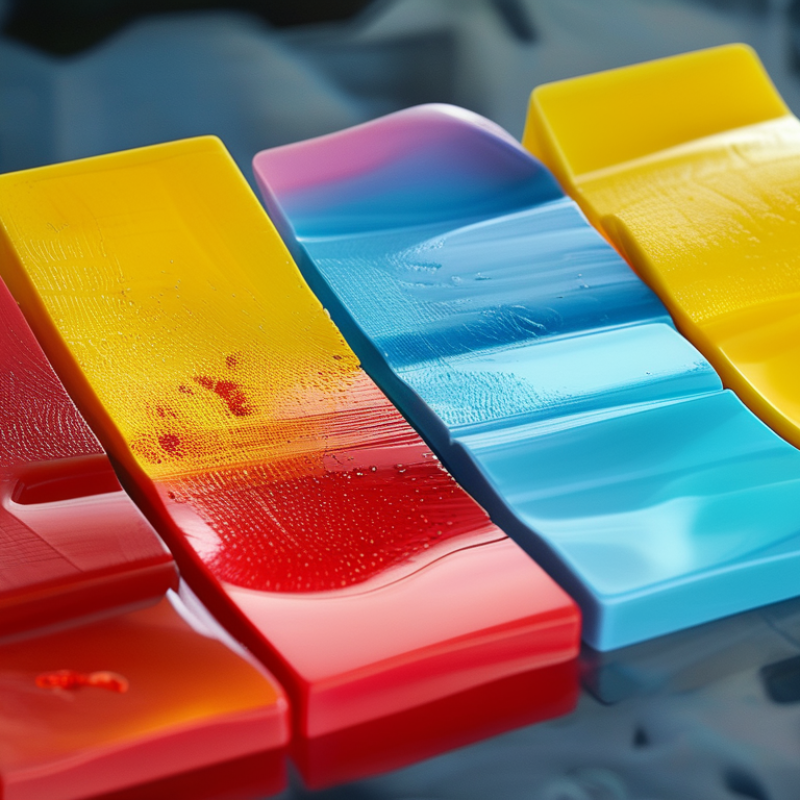
Choosing the right color for plastic products involves understanding how material properties affect our perception of color. Different plastics can alter light absorption and reflection, which impacts the appearance of colors. For example, shiny surfaces may enhance brightness, while matte finishes can dim colors, affecting consumer attraction.

The composition of the plastic also plays a key role. Transparent plastics can make colors look more vivid, while opaque ones may dull them. Moreover, additives like colorants and stabilizers can change how a color appears under various lighting conditions. It’s essential to consider these factors when designing products.

Experimentation is often necessary. Observing how different colors look on various materials can lead to unexpected results. Sometimes the chosen hue may not align with the brand's vision after production. Additionally, manufacturers must reflect on consumer behavior and preferences, which can shift over time. This process can be a journey, revealing the complexities of color perception in plastics.

Choosing Color Based on Industry Standards and Regulations

Choosing the right color for plastic products involves careful consideration, especially regarding industry standards and regulations. Different sectors have unique requirements. For example, the food packaging industry often mandates specific colors to indicate product safety. These colors help consumers understand ingredients and potential allergens.

Colors also play a role in branding and safety. In the medical field, certain color codes are vital. They can signal biohazard materials or sterile products. Non-compliance can lead to serious consequences. Therefore, understanding these guidelines is crucial for product design.

It's important to stay updated with regulatory changes. Regulations can shift based on safety studies or consumer feedback. This requires constant vigilance and flexibility in your approach. An oversight can lead to costly recalls or legal issues. Engaging with industry experts can provide insights. Always revisit your color choices and ensure they align with current standards. This is not just about aesthetics; it’s about safety and compliance.

Evaluating Color Testing Methods for Consistency and Quality

When selecting the right color for plastic products, evaluating color testing methods is crucial. Inconsistent color can lead to product rejection. According to a 2022 report by the Plastics Color Association, 25% of rejected plastic products are due to color mismatches. Effective color testing methods help ensure consistency and quality.

Techniques such as spectrophotometry and colorimetry provide objective measurements. Spectrophotometers capture a wide range of color data. This technology allows for precise adjustments in manufacturing. However, some companies still rely on visual evaluations. This approach can be subjective and prone to error. Relying solely on human judgment may lead to inconsistent results.

Incorporating standardized color matching systems is essential. These systems create benchmarks that guide production. For instance, using the Pantone Matching System offers consistency across different materials. Research shows that 40% of businesses that switched to standardized systems saw a reduction in color-related complaints. Still, challenges persist. Some plastics behave differently under various lighting conditions, affecting perceived color. A deeper understanding of these variables can enhance the overall quality of color selection.

Trends in Color Usage: Insights from Market Research and Case Studies

Color choice in plastic products can significantly influence consumer perception. Market research indicates evolving preferences based on cultural and emotional connections. Vibrant colors often attract younger audiences, while muted tones resonate with older demographics. Case studies reveal that the right hue can differentiate your product in a saturated market.

Tips: Experiment with color psychology. Red can evoke excitement, while blue may instill trust. Analyze competitors’ palettes to find gaps and opportunities in color use.

Also, consider practicality. Some colors may fade or wear differently. Durability issues can affect the emotional response to the product. Testing various colors under different conditions is essential.

Understanding trends is crucial. The rise of eco-consciousness shows a preference for earthy and organic colors. Always seek feedback from your target demographic. Their insights can guide your final decision. Balancing trendiness with timelessness can be a challenge but is necessary for lasting appeal.

Register now