



Blog

How to Choose the Right Paper Cylinders for Your Business?

Choosing the right Paper Cylinders can influence product protection, presentation, filling speed, and total packaging cost. The decision is rarely simple. A cylinder that looks attractive on a sample table may fail when exposed to humidity, compression, or repeated handling.

Industry data shows why this choice deserves careful review. Smithers’ The Future of Paper Packaging to 2028 reports continued growth in paper-based packaging, driven by brand sustainability goals and changing consumer expectations. The Paper Packaging Council also highlights the importance of structure, fiber selection, and converting quality in successful paperboard packaging. These findings suggest that appearance alone is not enough. Wall thickness, inner lining, closure style, diameter tolerance, and stacking strength must match the product and supply chain.

Small details matter. A snack tube may need a moisture barrier, while a candle cylinder needs heat-resistant inner protection. A premium tea package may require precise edges, smooth printing, and a reliable lid fit. The Sustainable Packaging Coalition recommends evaluating packaging across its full life cycle, not only at the point of purchase. That approach is useful, but it is not perfect. Supplier data can vary, and “recyclable” claims may depend on local collection systems. Careful testing remains essential.

This guide explains how to compare Paper Cylinders by material, dimensions, performance, customization, and cost. It also considers practical issues such as minimum order quantities, storage space, and production consistency. The best choice is not always the cheapest option. It is the cylinder that protects the product and supports your business realistically.
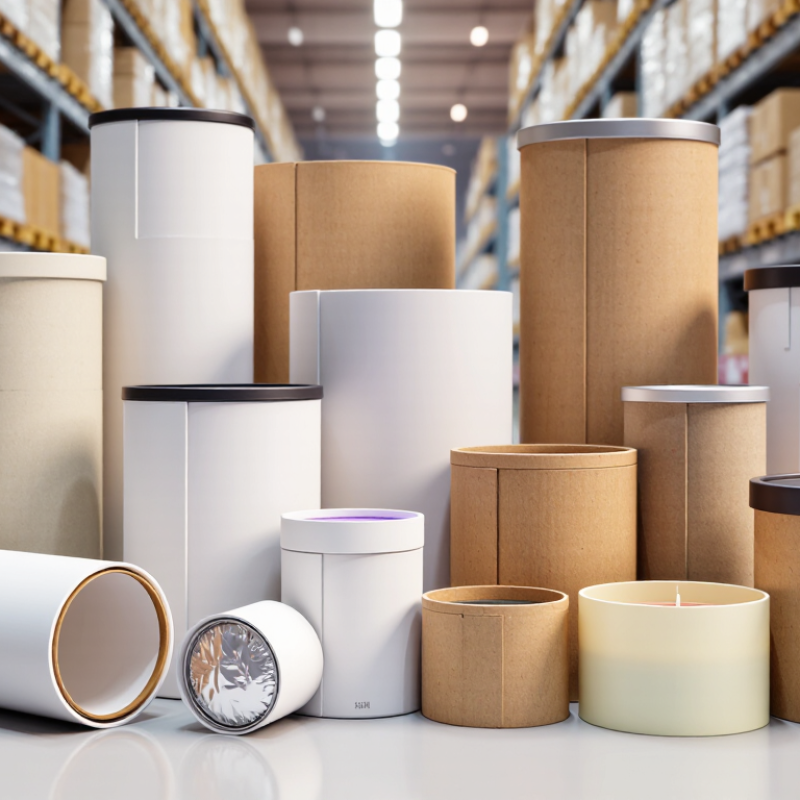
How to Choose the Right Paper Cylinders for Your Business?

Define Your Paper Cylinder Requirements and Business Applications

Choosing paper cylinders starts with a clear definition of your business application. A mailing tube needs impact resistance and secure closures. A product container may need attractive printing, smooth surfaces, and precise dimensions. Industrial winding cores require consistent inner diameters and enough compression strength. Do not select a cylinder by appearance alone.

Measure the product, filling method, storage conditions, and transport distance. Record the required length, diameter, wall thickness, and weight tolerance. If the cylinder will face humidity, discuss moisture-resistant materials with the supplier. For food or cosmetic packaging, request suitable compliance documents and migration information. These details support safer and more reliable decisions.

Small details matter. A tight-fitting lid can improve presentation and reduce dust exposure. A reinforced edge can prevent damage during repeated handling. Ask for samples before approving large quantities. Test them with your actual products, labels, closures, and packing equipment. Real conditions often reveal problems that drawings miss. The first choice is rarely perfect. I have seen teams specify strong tubes, then discover their machines cannot load them smoothly. Leave room for revision. Cost, sustainability, and performance must be considered together, not separately. A lighter cylinder may reduce material use, but it can fail under stacking pressure. Define the priority before comparing quotations.

Compare Paper Cylinder Materials, Sizes, Strength, and Surface Finishes

Choosing the right paper cylinder starts with matching material to the product, not appearance. Recycled kraft paper suits dry goods and creates a natural, visible fiber texture. Bleached paperboard offers a smoother print surface and cleaner color reproduction. Hybrid constructions can improve stiffness, but they may complicate recycling. The FAO reported approximately 423 million tonnes of global paper and paperboard production in 2023, showing the scale of this material sector. Scale does not guarantee suitability. A small cylinder may need a thick wall for premium contents, while a wider format can buckle under stacking pressure.

Size affects strength more than many buyers expect. Measure product diameter, height, filling clearance, and lid fit before ordering samples. Then test compression, drops, vibration, and humidity exposure. TAPPI and ISTA testing methods provide useful benchmarks, but real warehouse conditions can be less predictable. I once underestimated condensation around a chilled shipment. The paper softened near the base. That mistake changed the specification.

Surface finishes should support handling and shelf presentation. Uncoated paper feels tactile and reduces processing, while matte or gloss coatings improve scuff resistance and color consistency. Smithers forecasts the sustainable packaging market will grow from about $271.9 billion in 2023 to nearly $393.9 billion by 2028. That trend increases pressure to use less material without sacrificing protection. Specify grammage, wall thickness, compression targets, coating type, and recycled content clearly. Ask for production samples, not only digital proofs. Small details matter.

Evaluate Suppliers, Customization Options, and Manufacturing Standards

Choosing the right paper cylinders starts with evaluating the supplier, not the catalog photo. Ask for production samples, material specifications, and recent quality records. A reliable supplier should explain fiber sources, recycled content, adhesive types, and moisture protection. Request measurements from several batches. Small differences can affect filling, labeling, and shelf stability. I once accepted a neat sample too quickly. The first production run showed uneven wall thickness.

Customization should solve a real packaging problem. Discuss inner diameter, height, wall strength, lid fit, surface texture, and printing needs. Ask whether the supplier can control tolerances during volume production. A cylinder may look attractive but still crush under warehouse stacking. Test it with your actual product and transport conditions. Include temperature, humidity, vibration, and drop testing where relevant. Simple prototypes often reveal expensive mistakes.

Manufacturing standards provide another layer of confidence. Check whether the facility uses documented inspections, calibrated equipment, batch coding, and corrective-action procedures. Food-contact or other regulated applications require suitable material declarations and testing records. Certificates matter, but they do not replace physical inspection. A supplier should welcome independent testing and provide traceability from raw paper to finished units. Review packaging waste, worker safety practices, and storage controls as well. Standards can change, and my own checklist has needed revision more than once. That is a useful weakness to acknowledge before signing a long-term agreement.

Calculate Total Costs, Minimum Orders, and Environmental Impact

Choosing the right paper cylinders starts with the total cost, not the quoted unit price. Calculate the cylinder price, tooling, printing, sealing, freight, storage, and inspection fees. Then divide the complete amount by the usable units received. This figure is your real cost per cylinder.

Minimum orders can quietly increase expenses. Compare the supplier’s minimum quantity with your monthly demand and available storage. For example, ordering 10,000 cylinders may reduce the unit price, but unused stock can occupy shelves for months. Add storage charges, cash flow pressure, and possible design changes. I once focused too heavily on the lower price and overlooked damaged cartons during transport. The “saving” became difficult to defend.

Environmental impact needs measurable details. Ask for the paper’s recycled content, material weight, adhesive type, production location, and disposal guidance. A lighter cylinder may reduce transport emissions, but it might require extra layers or produce more damaged units. Request evidence instead of accepting broad claims. Compare estimated emissions across production, delivery, use, and disposal stages. Also examine whether your local recycling system accepts the complete cylinder, including its inner components. The calculation may feel imperfect. That is normal. Record your assumptions, update them with supplier data, and choose the option that balances cost, performance, order quantity, and verified environmental information.

Select, Test, and Implement the Best Paper Cylinders for Your Business

Choosing the right paper cylinders starts with the product, not the supplier’s catalogue. Define the required length, diameter, wall thickness, and load before requesting samples. A food sleeve may need a clean inner surface, while a textile core needs consistent winding tension. Moisture also matters. Store samples in your production area for 24 hours before testing them.

Test more than appearance. Measure diameter at several points with a caliper. Check whether the cylinder rolls smoothly on your equipment. Apply pressure gradually, then record crushing resistance and recovery. I once approved a tube because it looked rigid, but its inner seam caught during high-speed winding. That small oversight created repeated stoppages. The test plan should include real materials, operating speed, temperature, and humidity.

Implementation needs a controlled trial. Run a limited batch and track rejects, machine adjustments, labor time, and material waste. Ask operators where handling feels difficult; their practical observations often reveal problems that laboratory checks miss. Confirm that dimensions remain stable across several deliveries. A written specification should cover tolerances, moisture limits, packaging, and inspection methods. Do not change several variables together. If the cylinder fails, you may not know why. Leave room for revision, because the cheapest option can become expensive after production begins.

Register now