


Blog
Why Does the Color of Plastic Matter for Recycling and Sustainability?
The color of plastic plays a crucial role in recycling and sustainability efforts. Dr. Emily Carter, a leading expert in plastic sustainability, explains, "The color of plastic determines its recyclability and market value." This statement highlights the significance of color in the recycling process. Different colors often complicate sorting and recycling.
Many consumers overlook how the color of plastic impacts the environment. For instance, darker colors may blend into the recycling stream, making them harder to identify. Sometimes, manufacturers choose colors for aesthetic reasons without considering their recyclability. This oversight can lead to greater environmental harm.
Inadequate awareness about the color of plastic creates challenges in effective recycling. A significant amount of plastic waste ends up in landfills due to poor sorting practices. Reflecting on these issues is vital for a more sustainable future. The conversation around color needs to evolve for true change to happen in the recycling industry.
The Importance of Color in Plastic Recycling Processes
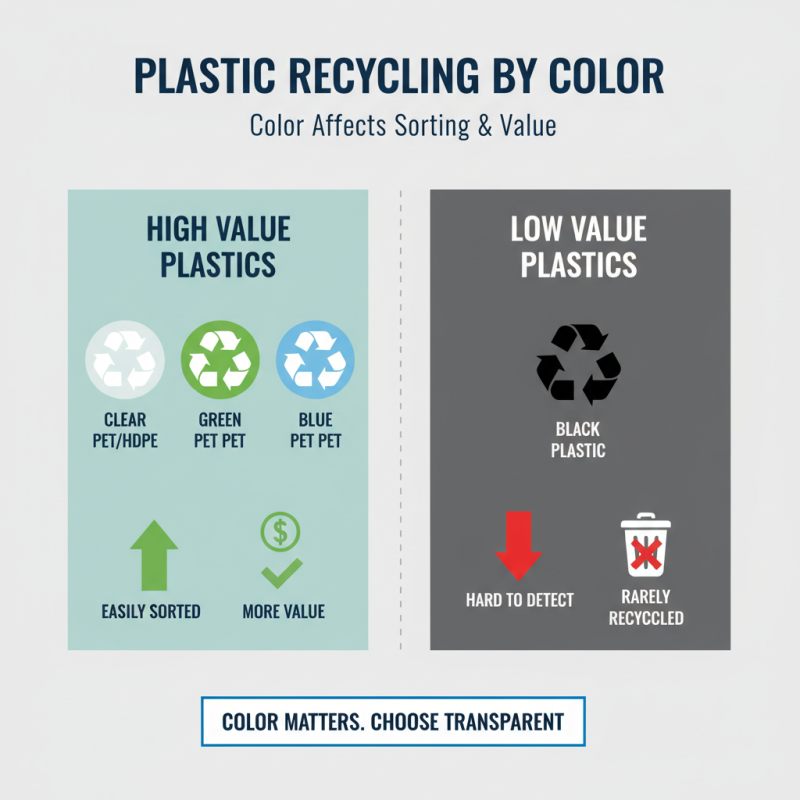
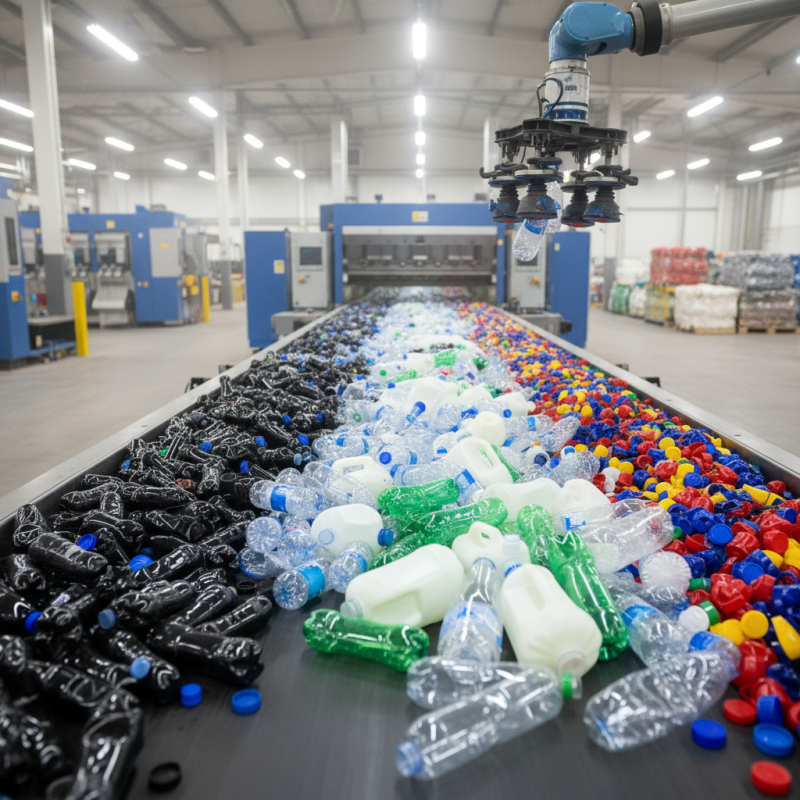
Color plays a significant role in plastic recycling. Different colors can affect how recyclables are sorted and processed. Clear, green, and blue plastics often hold more value. Black plastic, on the other hand, presents challenges. It is rarely recycled because sorting machines struggle to detect its color. This leads to increased waste.
The complexities of color in recycling create a dilemma. Many consumers are unaware of how their choices impact recycling. Choosing colorful plastics may seem appealing but can hinder sustainability efforts. Additionally, mixed-colored plastics complicate the recycling process, resulting in lower-quality materials. This quality decrease makes it harder for recycled plastics to enter the market.
Color matters more than we might realize. It influences everything from sorting efficiency to the final product’s usability. A greater understanding of these impacts could drive more mindful consumption. Reflecting on our own choices may help improve future recycling efforts. How can we make better decisions regarding plastic color?
How Different Colors Affect the Quality of Recycled Plastics
The color of plastic plays a significant role in recycling and sustainability. Different colors affect the quality of recycled plastics. Dark and opaque plastics are often more challenging to recycle. They may be contaminated with dyes, making them less desirable for reuse.
Recycling facilities typically sort plastics by color. Clear and light-colored plastics have a higher market demand. According to industry reports, clear PET plastic can be recycled into new bottles, while colored PET often ends up in lower-value applications. This indicates that color choices can impact overall recycling success.
Tips: Choose lighter-colored plastics when possible. Clear plastic has the highest recycling rate. Consider reducing the use of dark plastics in your everyday products. Every small choice counts.
While more awareness is developing, many consumers still overlook the importance of color in recycling. Education on this topic is crucial. More knowledge leads to better recycling practices and contributes to sustainability efforts. Let's reflect on our plastic choices and their environmental implications.
Why Does the Color of Plastic Matter for Recycling and Sustainability? - How Different Colors Affect the Quality of Recycled Plastics
| Color of Plastic | Recycling Quality | Common Uses | Environmental Impact |
|---|---|---|---|
| Clear | High Quality | Bottles, Food Containers | Minimal Degradation |
| Blue | Moderate Quality | Aquarium Decor, Toys | Can Affect Color of New Products |
| Green | Moderate Quality | Packaging, Landscaping | Less Versatile in New Products |
| Black | Low Quality | Automotive Parts, Electronics | Difficult to Recycle, Often Landfilled |
| Red | Moderate Quality | Durable Goods, Toys | Varied Impact Based on Source Material |
The Role of Color in Plastic Waste Sorting and Identification
Color plays a crucial role in the sorting of plastic waste. It significantly affects how recyclables are identified. Sorting facilities utilize color as a key factor in differentiating types of plastics. According to the Association of Plastic Recyclers, 45% of plastic submitted for recycling is lost due to improper sorting. This inefficiency highlights the need for better color identification systems.
Different colors of plastic require specific recycling processes. For example, clear plastic bottles are more likely to be recycled successfully compared to colored ones. A report by the National Recycling Coalition states that colored plastics can confuse sorting machines. This can lead to lower recycling rates and more waste. However, many recycling facilities are still not fully equipped to handle various colors effectively.
Despite advances in technology, color remains a challenge. Many consumers are unaware that not all plastic can be recycled equally based on its color. For instance, darker hues may be seen as less valuable in the recycling market. This perception can result in potential waste that could have been recycled. Greater public awareness is essential for improving recycling rates. Overall, the impact of color on plastic waste sorting demands attention.
Color Distribution in Plastic Waste for Recycling
Sustainability Implications of Colored vs. Clear Plastics
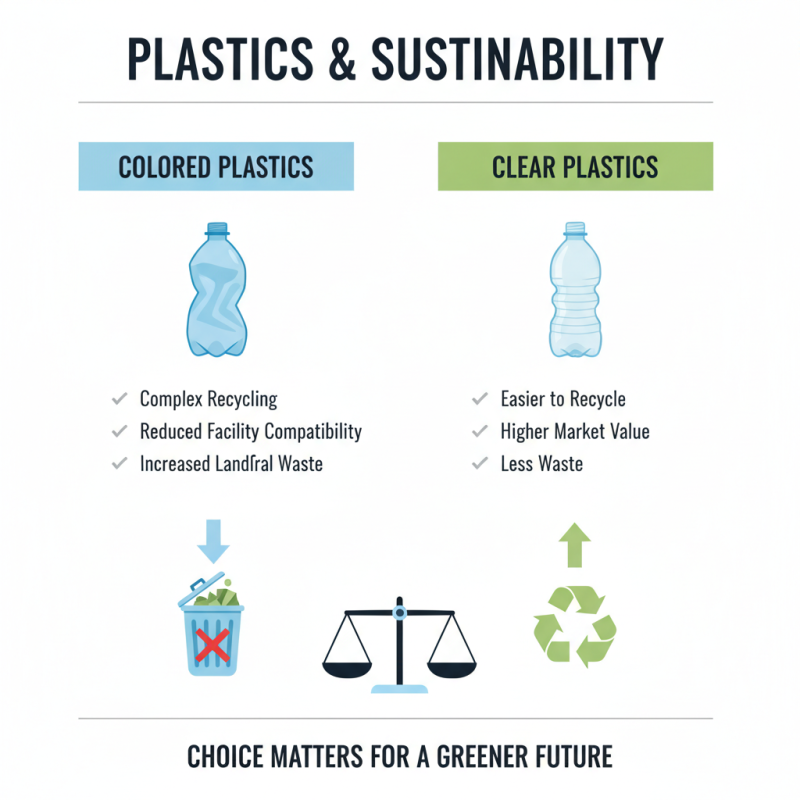
The impact of colored versus clear plastics on sustainability is significant. Colored plastics can complicate recycling processes. Many recycling facilities cannot process these materials effectively. This leads to more plastic waste in landfills. Clear plastics, however, are generally easier to recycle. They are often more valuable in the recycling market.
When dealing with colored plastics, consumers should consider their choices. Opt for clear or transparent containers when possible. This not only helps recyclers but also supports sustainable practices. Many people overlook the importance of these everyday decisions. Imagine a world where every plastic was easily recyclable. It’s not perfect, but striving for improvement is essential.
**Tips:** Always check local recycling guidelines. Some areas may accept certain colored plastics, while others might not. If unsure about a material, it’s better to err on the side of caution. Keep it simple: the clearer, the better. Remember, every little effort counts in making a difference.
Innovations in Color Sorting Technology for Enhanced Recycling Efficiency
The color of plastic plays a crucial role in recycling processes. Innovations in color sorting technology are changing the game. Complex sorting challenges arise due to the variety of colors in plastic waste. Traditional methods often struggle with efficiency, leaving recyclable materials overlooked. Newer technologies use advanced optical systems. These systems can identify and categorize various colors with remarkable precision.
Recent developments include AI-based sorting machines. They analyze light wavelengths to determine plastic colors quickly. This means faster processing times and less contamination. However, not all facilities have access to these technologies. Many still rely on outdated practices. This gap creates inefficiencies in recycling rates. There's a pressing need for wider adoption of modern systems across different regions.
Further, the environmental impact of colored plastics is worth examining. Not all colors are recyclable, which complicates waste management. Some pigments can hinder recycling efforts. The goal should be to develop eco-friendly colors. This shift is essential for sustainable practices. The focus must remain on creating a balance between innovation and accessibility. All sectors must collaborate to enhance recycling efficiency effectively.
Related Posts
-
Exploring the Science Behind Color on Plastic: How Pigments Transform Materials
-

10 Best Colors on Plastic for Your Next Project?
-
Top 10 Ways Plastic in Plastic Affects the Environment?
-

How to Choose the Best Compound Packaging for Your Products
-

Why the Demand for Plastic Compounds is Surging in the Manufacturing Industry
-

Top Plastic Additives You Should Know About?