



Blog
What is a Compound for Plastic and How is it Used?
In the evolving world of materials, the term "compound for plastic" holds significant importance. Experts like Dr. Emily Richards, a leading researcher in polymer chemistry, emphasize its transformative role. She states, "Compounds for plastic shape our daily lives in ways we often overlook." These compounds are crucial in enhancing the properties of plastics, making them more versatile and functional.
Compounds for plastic are blends designed to impart specific characteristics, such as strength and flexibility. They combine various additives, including stabilizers and colorants, tailored for different applications. This complexity reflects the industry's ongoing challenge to balance performance, cost, and sustainability. Despite advancements, the quest for the perfect compound remains elusive, often leading to unintended consequences like environmental impact.
Understanding the intricacies of these materials is essential. As the industry grows, so does the need for responsible innovation. The future of compounds for plastic lies in embracing eco-friendly practices while overcoming inherent limitations. The journey is challenging, but the potential rewards are substantial.
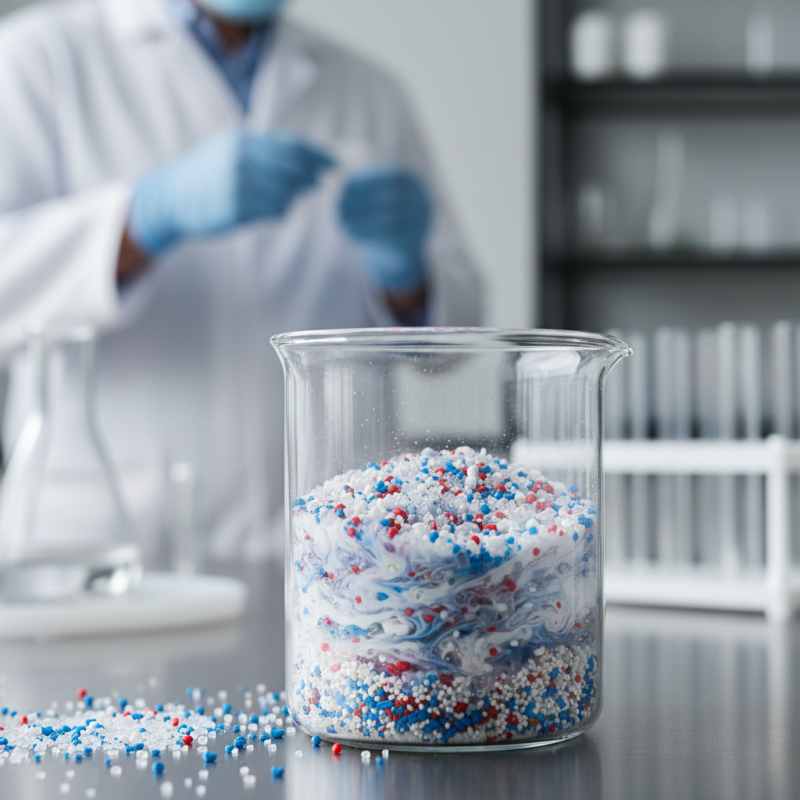
What is a Compound for Plastic? Defining Key Terminologies
Compounds for plastics play a crucial role in the manufacturing process. These compounds are materials combined with polymers. They enhance properties like strength, flexibility, and durability. Understanding key terminologies is essential for effectively working with these materials.
Additives make plastic compounds more versatile. They include stabilizers, plasticizers, and flame retardants. Stabilizers ensure longer-lasting products. Plasticizers improve flexibility, making them suitable for various applications. Each additive serves a specific function, influencing how the final product performs.
Tip: When selecting a compound, consider the intended application. Not all additives are suitable for every situation. Testing is vital to ensure compatibility.
The choice of polymer also impacts the compound’s effectiveness. Different polymers react differently to various additives. Knowledge is crucial for making the right decisions. There are many considerations, and sometimes trial and error is necessary.
Tip: Collaborate with experts during the selection process. Their experience can guide you toward better results. Ensure product safety and compliance with regulations as well. Understanding the balance between performance and safety is essential.
What is a Compound for Plastic and How is it Used? - What is a Compound for Plastic? Defining Key Terminologies
| Property | Description |
|---|---|
| Compound Type | A mixture of polymers and additives to enhance properties |
| Additives | Substances added to improve performance (e.g., plasticizers, stabilizers) |
| Applications | Used in automotive, packaging, consumer products, and construction |
| Processing Techniques | Injection molding, extrusion, blow molding |
| Environmental Impact | Concerns over plastic waste and recycling efficiency |
| Regulations | Compliance with safety standards and environmental laws |
| Future Trends | Shift towards bioplastics and sustainable compounds |
Types of Compounds Used in the Plastic Industry: An Overview
In the plastic industry, various compounds play crucial roles in enhancing product qualities. Compounds can adjust properties like flexibility, strength, and durability. Common types include plasticizers, stabilizers, fillers, and colorants. Each compound serves a specific function, contributing to the final characteristics of plastic materials.
Plasticizers, for instance, increase flexibility and workability. Polyvinyl chloride (PVC) often relies on them to create soft, bendable products. Stabilizers are essential for preventing degradation from UV light and heat exposure. Fillers, such as talc or calcium carbonate, are used to reduce production costs while improving strength. Moreover, colorants ensure that products meet aesthetic demands.
However, the selection and use of compounds can be challenging. Not all compounds are compatible with each other, which may lead to unexpected results. For instance, using too many fillers may compromise the integrity of the plastic. Balancing performance and environmental impact is another concern. Manufacturers are increasingly seeking sustainable alternatives without sacrificing quality.
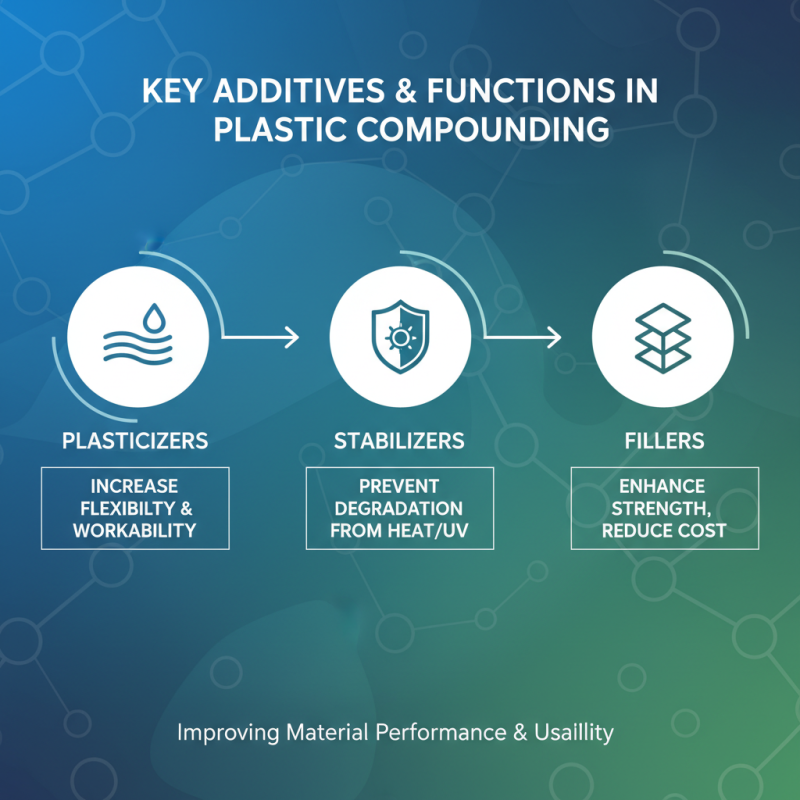
Key Additives and Their Functions in Plastic Compounding
In plastic compounding, key additives are essential for enhancing material properties. These additives include plasticizers, stabilizers, and fillers. Each plays a unique role that impacts the performance and usability of the final product.
Plasticizers improve flexibility. They reduce stiffness and increase the polymer's ductility. Stabilizers protect against thermal and UV degradation, ensuring durability over time. Fillers can modify density and cost-effectiveness. They might be natural or synthetic materials that reinforce the plastic structure.
Compounding is not straightforward. Finding the right balance of additives is crucial. Too much plasticizer can weaken the structure. On the other hand, insufficient stabilizers may lead to rapid deterioration of the plastic. Continuous testing and adjustments are needed to perfect formulations, highlighting the intricacy of the process.
The Role of Compounding in Enhancing Plastic Properties and Durability
Compounding plays an essential role in the enhancement of plastic properties and durability. By blending various materials, manufacturers can create plastics that meet specific performance requirements. Common additives include fillers, stabilizers, and colorants. These components can improve strength, reduce brittleness, and enhance resistance to environmental factors.
Tips: Always consider the application when selecting additives. The right choice can lead to significant improvements in product lifespan. Testing different formulations may yield surprising results. Don't be afraid to experiment.
The process of compounding is intricate. It requires knowledge of material properties and processing techniques. Mistakes can happen, leading to unexpected challenges. Sometimes, a compound might not deliver the desired results, highlighting the need for thorough testing and feedback loops. A continuous improvement mindset is crucial in this field.
Tips: Regularly assess your formulations. Engage with material scientists for insights. Collaboration can lead to breakthroughs that enhance product performance.
Plastic Compounding: Enhancing Properties and Durability
Market Trends: Global Demand for Plastic Compounds and Projections
The global demand for plastic compounds is continuously evolving. Industries are looking for innovative solutions to enhance performance. Plastic compounds are used in automotive, packaging, and construction sectors. Each application requires a tailored approach. Different additives and fillers adjust properties like flexibility, durability, and heat resistance. This customization allows manufacturers to meet specific demands efficiently.
Currently, emerging markets play a significant role in driving growth. Countries in Asia and Latin America are key players. Their rapid industrialization fuels the need for plastics. However, sustainability concerns are also increasing. Consumers are becoming more conscious of environmental impact. Recyclable and bio-based plastics are gaining traction. Companies face challenges in balancing performance and eco-friendliness.
Market projections suggest steady growth in the coming years. Increased industrial output will likely require more plastic compounds. Yet, businesses must reflect on their practices. The focus should be not only on profit but also on responsibility. How can industries innovate while being environmentally aware? This question remains crucial as we navigate the future of plastic compounds.
Related Posts
-
Top Compounds for Plastic in 2025 What You Need to Know
-
Exploring the Future: Innovations in Plastic Compound Technology for Sustainable Manufacturing
-

2025 Top Trends in Plastic Compound Innovations and Applications
-

Top 10 Benefits of Using Plastic Compounds in Modern Manufacturing
-
How to Choose the Right Plastic Compound for Your Project?
-
Understanding the Benefits of Compound Packaging for Sustainable Product Solutions