What Is Cupstock Board and What Is It Used For?
Cupstock Board is a specialized paperboard designed for disposable cups and other food-service packaging. It must be stiff enough to hold its shape, yet flexible enough to form a clean seam around a cup’s curved wall. Its surface also needs to work with printing and, where required, a moisture-resistant coating. That balance is easy to overlook. But it affects how a cup feels in the hand, performs with hot drinks, and moves through converting and filling equipment.
A note on attribution: no source article or verified expert quotation was provided, so the following is an illustrative line, not a statement from a real named specialist. Packaging specialist Maya Chen might say, “Good cupstock starts with the right balance of stiffness, forming performance, and barrier protection.” Treat that wording as a draft, not a sourced endorsement. In practice, cupstock grades vary by intended use, board construction, coating, and manufacturing process. A takeaway cup for steaming coffee may need different performance from a small cold-drink cup. Look closely at the details: a rolled rim, a tight side seam, and a base that stays secure under pressure. These are practical signs of design and converting quality, though they do not replace supplier specifications or suitable testing. This guide explains what Cupstock Board is, how it is made and selected, and where it is commonly used. One detail deserves a second look: “paperboard” alone does not tell you how a cup will perform.
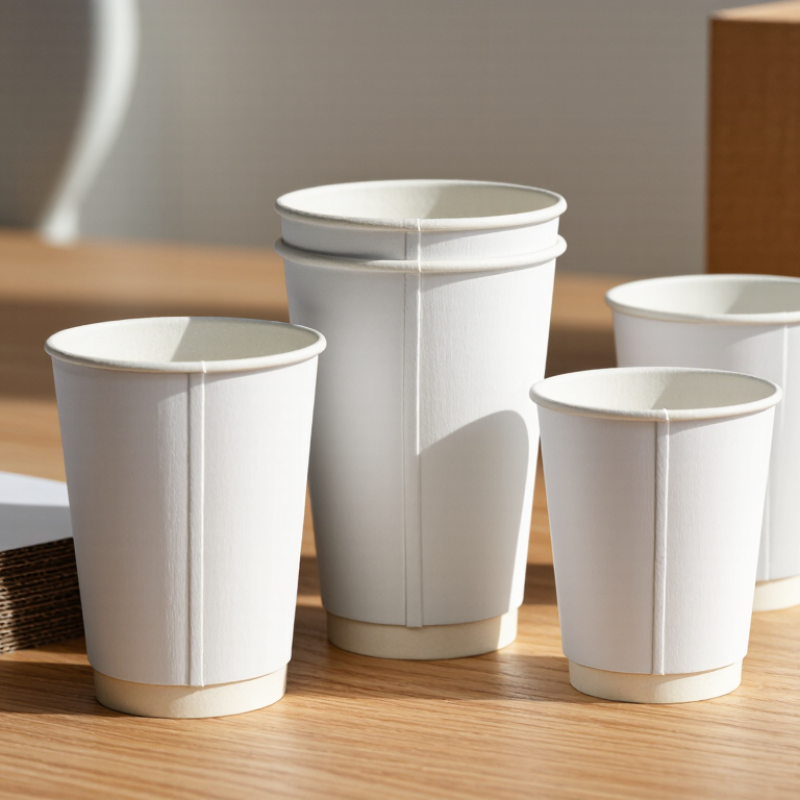
What Cupstock Board Is
Cupstock board is a purpose-made paperboard for forming disposable cups and similar containers. It combines a fibrous paper base with a smooth, functional surface layer. The board must stay firm in the hand, yet bend cleanly around a cup-forming mandrel. Its cut edges and seams also need to hold together when the container is assembled.
The coating helps limit liquid absorption and can support heat-sealed seams. Depending on the product specification, it may be a thin polymer layer or another barrier treatment. Cupstock is not simply ordinary paper with a printed design. Its thickness, stiffness, surface finish, and forming behavior are chosen for converting and use with beverages. A well-made cup should resist softening during normal use, though performance varies with the drink, temperature, and time. That matters. Condensation from an iced drink can also test the board, especially near the rim or base. Coatings can improve moisture resistance, but they may affect how a cup is handled after use. It is worth checking the stated material structure and disposal guidance rather than assuming every cupstock board behaves the same.
What Is Cupstock Board and What Is It Used For? - What Cupstock Board Is
| Dimension | Description | Practical relevance |
| Definition | Cupstock board is paperboard made or selected for forming disposable cups and similar food-service containers. | It combines a formable paper base with a barrier suited to the intended contents. |
| Base material | The base is made from paper fibers. Cupstock grades are commonly produced with virgin fiber, while recycled content depends on the grade and its food-contact requirements. | Fiber selection affects strength, forming performance, appearance, and suitability for food-contact applications. |
| Liquid barrier | A coating or treatment helps resist liquid penetration. Options include polyethylene coatings and, for some products, dispersion-based barriers. | The barrier helps prevent leaks and softening during the cup’s intended use. |
| Grease and moisture resistance | Resistance varies by coating, board construction, and intended application; not every cupstock grade provides the same level of protection. | The selected grade should match the product’s temperature, contact time, and contents. |
| Forming properties | Cupstock is designed to be cut, shaped, and sealed into a cup body and base using suitable converting equipment. | Consistent stiffness and forming behavior support efficient production and a stable cup shape. |
| Common uses | Common applications include hot-drink cups, cold-drink cups, and some paper tubs or food-service containers. | The board and barrier are chosen according to the container design and the food or beverage it will hold. |
| Single-wall and multi-wall cups | Cupstock can be used in single-wall cups or as part of multi-wall constructions, which may add a separate insulating layer or sleeve. | Wall construction influences insulation, handling comfort, and the amount of material used. |
| Printing and appearance | The outer surface can be printed or finished, subject to the grade, coating, and converting process. | Printing supports product information and design, while food-contact requirements still apply to the finished package. |
| Recycling considerations | Recyclability depends on the coating, cup construction, collection system, and availability of facilities that can recover fiber from used cups. | A paper-based cup is not automatically accepted in every recycling program; local guidance should be checked. |
Note: Cupstock properties vary by grade and manufacturer; the descriptions above are general and are not specifications for a particular product.
Materials and Structure of Cupstock Board
Cupstock board is a paper-based material designed to hold hot or cold drinks. Its main structure is a layer of tightly formed cellulose fibers. These fibers give the board stiffness, so a cup can keep its shape when filled. The exact fiber blend varies by product and intended use. Some grades include recycled fiber, while others rely mainly on fresh pulp. The choice affects strength, appearance, and suitability for contact with food.
A thin barrier coating helps limit leaks and slow moisture from softening the paper. Polyethylene coatings are common, while some products use alternative barrier systems. The coating usually sits on the cup’s inner surface, with an outer surface prepared for printing. During cup forming, the board is cut, rolled, and sealed along a side seam. The base is attached separately. That detail is easy to overlook. Coating weight, board thickness, and seam quality all influence how well the finished cup performs. A stiff cup is not automatically a leak-resistant cup.
Tips: Check the board’s intended temperature range and coating type before choosing it. Feel the rim and inspect the seam on a sample cup. A small test with the actual drink can reveal issues that a specification sheet may miss.
How Cupstock Board Is Manufactured
Cupstock board begins as pulp, not as a finished cup. Mills mix selected fibers with water, then refine them until they form a consistent slurry. The slurry spreads across a moving screen; water drains away, leaving a thin, wet web. Press rolls squeeze out more moisture, and heated cylinders dry the sheet. Small changes in fiber mix, refining, or drying can affect stiffness and how cleanly a cup folds. The process is precise, but not perfectly uniform.
The board may then receive surface sizing or a barrier layer to resist liquid and grease. A smooth, even coating matters: weak spots can leak, while excess coating can complicate recovery. Some cupstock uses polymer layers; other grades use alternative barriers. Cepi’s Key Statistics 2023 reports a 79.3% paper recycling rate across Europe, but that figure covers many paper grades—not every coated cup. Context matters. In the United States, the EPA’s 2018 materials report found that 68.2% of paper and paperboard was recycled. That broad figure does not guarantee a used cup will be accepted locally. After coating, mills calender the board for a consistent surface, inspect it for defects, and wind it into rolls for cup converting. A polished sheet can still have trade-offs.
Key Properties of Cupstock Board
Cupstock board is paperboard engineered to hold a cup shape while limiting liquid contact. Its stiffness helps the sidewall resist dents during filling, stacking, and handling. Yet stiffness is not simply a matter of thickness. Fiber quality, board weight, moisture, and forming conditions all affect performance. A cup that feels firm when dry may soften after holding a hot drink. That detail matters. The inner barrier is often a polymer or water-based coating, depending on the design. It slows liquid penetration and helps create dependable heat-sealed seams. Uneven coating or weak seals can lead to leaks.
Cupstock also needs a smooth surface for clear printing and consistent converting. During production, the board must bend around a forming tool without cracking or delaminating. It should also keep its shape when exposed to heat and condensation, though performance varies by grade and use. There is no single ideal cupstock for every beverage. A heavier board may feel sturdier, but it can increase material use; a lighter one may need more careful forming. This trade-off is easy to underestimate. Coating choice also affects how the finished cup can be handled after use, so specifications should be checked rather than assumed. A useful evaluation looks at the finished cup, not just a flat sheet.
Common Uses of Cupstock Board
Cupstock board is used for paper cups that need to hold drinks without losing their shape. The board provides stiffness, while a barrier layer helps resist moisture. Without that layer, liquid can soften the paper and seep through. A useful distinction: the board itself is not automatically waterproof.
Common uses include cups for coffee, tea, water, and soft drinks. Hot-drink cups often need enough insulation for comfortable handling, while cold-drink cups must cope with condensation on the outside. A well-formed side seam and base help prevent leaks. Small details matter.
Cupstock also serves for soup cups, dessert containers, and portion cups, when the board and barrier suit the food and filling temperature. Takeaway counters, cafés, events, and vending machines use these formats because cups are light and easy to stack. Some cups have printed designs or fitted lids, but printing and lid compatibility depend on the cup’s construction.
In practice, the choice is rarely perfect: a stronger barrier can improve performance but may make material recovery more difficult. Recycling options vary by local facilities, so cup design and disposal guidance both deserve attention.
What Is Cupstock Board and What Is It Used For? - Common Uses of Cupstock Board
Cupstock board is paperboard made for converting into cups and other food-service packaging. The chart shows indicative basis-weight ranges commonly used for different applications; actual specifications vary by cup design and supplier.
Basis weight is measured in grams per square metre (g/m²). Heavier board is often selected when an application needs added stiffness or durability.