


Blog

How to Recycle Plastic Effectively: A Comprehensive Guide to Plastic Waste Management

Plastic waste has become one of the most pressing environmental issues of our time, affecting ecosystems, wildlife, and human health. As we continue to consume products packaged in plastic, the need for effective recycling practices becomes increasingly critical. This guide aims to provide a comprehensive understanding of plastic waste management, specifically focusing on how to recycle plastic effectively. One important concept explored in this guide is "plastic ka plastic," which refers to the importance of recognizing different types of plastics and their unique recycling processes.

In the journey towards sustainable waste management, awareness of the various plastic types and their properties is essential. By understanding "plastic ka plastic," individuals and communities can make informed decisions about how to sort, dispose of, and recycle their plastic waste. This guide will delve into practical strategies for effective recycling, the significance of reducing plastic consumption, and innovative approaches to rethink our relationship with plastic. Together, we can contribute to a cleaner environment and a more sustainable future by embracing the principles of effective plastic recycling.
How to Recycle Plastic Effectively: A Comprehensive Guide to Plastic Waste Management

Understanding Plastic Waste: Types and Challenges in Recycling

Understanding plastic waste and the challenges surrounding its recycling is crucial in tackling the ever-growing environmental concerns. Plastic comes in various types, each with different properties, which impacts their recyclability. Types such as PET, HDPE, PVC, and polystyrene pose unique challenges; some can be recycled easily, while others often end up in landfills due to contamination or lack of recycling facilities. Awareness of these classifications helps consumers make informed decisions about their plastic usage.

Here are some tips to enhance your plastic recycling efforts:

  1. First, always rinse out containers before recycling them. Contamination from food residues can render plastics unrecyclable.
  2. Second, check local recycling guidelines to ensure that you are sorting your plastics correctly, as practices can differ significantly across regions.
  3. Lastly, consider reducing the use of certain types of plastic, like single-use items, and opt for alternatives where possible, significantly decreasing the volume of plastic waste generated.

By understanding the types and challenges associated with plastic waste, individuals can play a pivotal role in improving recycling efforts.
The Plastic Recycling Process: Steps from Waste Collection to Reuse

How to Recycle Plastic Effectively: A Comprehensive Guide to Plastic Waste Management

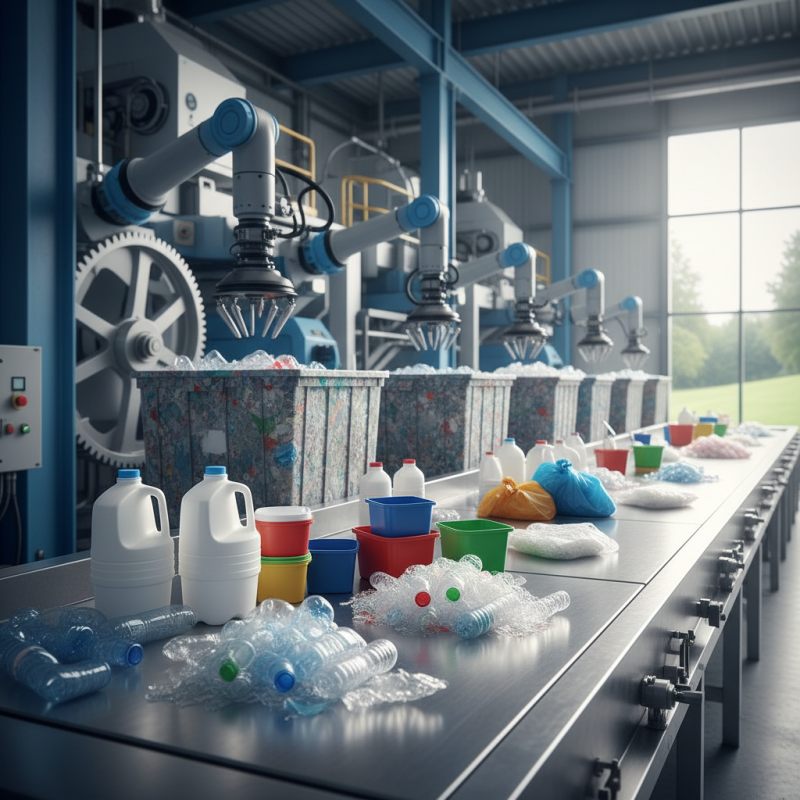
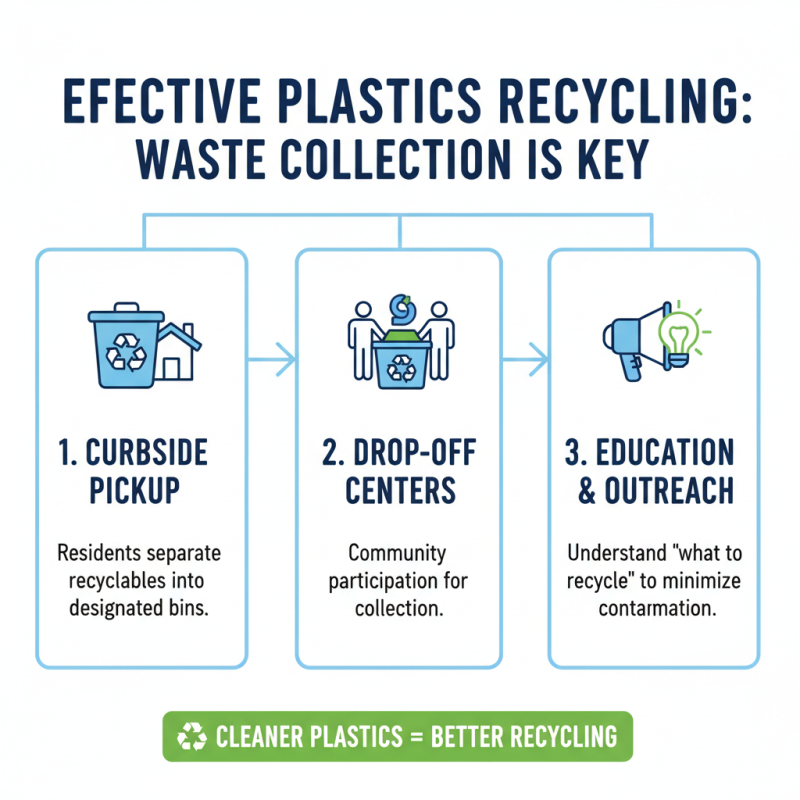
Recycling plastic effectively begins with the waste collection process, which plays a crucial role in ensuring that recyclable materials are separated from general waste. This often involves curbside pickup, where residents place their recyclables in designated bins for collection. In some regions, drop-off centers are utilized to encourage community participation in recycling efforts. Education and outreach are vital in this stage, as individuals need to understand what can and cannot be recycled to minimize contamination and improve the quality of the collected plastic.

Once plastics are collected, they are transported to recycling facilities where they undergo sorting, cleaning, and processing. At the facility, advanced technologies and manual labor work together to classify plastics by type and color, as this greatly impacts recycling efficiency. After sorting, the plastics are cleaned to remove residual contaminants, ensuring that the recycled material is of high quality. The cleaned plastics are then melted down and formed into pellets or flakes, which can be sold to manufacturers who will turn them into new products. This closed-loop system allows for the repurposing of plastic waste, giving it a new life and reducing the reliance on virgin materials.

Best Practices for Sorting and Preparing Plastic for Recycling

Effective plastic recycling begins with proper sorting and preparation, which are critical steps in ensuring that plastic waste is diverted from landfills and re-entered into the production cycle. According to the Ellen MacArthur Foundation, in 2019, only 9% of all plastic waste ever produced has been recycled. This statistic underscores the importance of enhancing recycling practices, particularly at the consumer level.

To prepare plastics for recycling, individuals and businesses must focus on separating materials correctly. Plastics are categorized into different types based on their resin identification code, ranging from PETE (1) to HDPE (2), and each type requires a unique recycling process. For instance, a study from the National Recycling Coalition indicates that proper sorting can increase recycling rates by over 30%. Before recycling, it's essential to clean items by removing food residues and contaminants, as these can compromise the quality of recycled materials. Reports show that clean plastics have a significantly higher chance of being accepted by recycling facilities, further contributing to effective recycling efforts.

Additionally, combining similar types of plastics when preparing for recycling maximizes efficiency. Research from the American Chemistry Council emphasizes that minimizing contamination and ensuring homogeneity in batches expedites processing at recycling centers. Being diligent about sorting and preparing plastics not only enhances recycling rates but also fosters a more sustainable approach to waste management, encouraging a circular economy.

How to Recycle Plastic Effectively: A Comprehensive Guide to Plastic Waste Management - Best Practices for Sorting and Preparing Plastic for Recycling

Plastic Type Recyclability Preparation Steps Common Uses Recycling Rates (%)
PET (Polyethylene Terephthalate) Widely Recyclable Rinse, Remove Labels Bottles, Containers 30-40%
HDPE (High-Density Polyethylene) Widely Recyclable Rinse, Remove Labels Milk Jugs, Detergent Bottles 25-30%
PVC (Polyvinyl Chloride) Less Commonly Recycled Check local guidelines Pipes, Vinyl Siding Less than 5%
LDPE (Low-Density Polyethylene) Limited Recycling Rinse, Check local regulations Grocery Bags, Some Container Wraps Less than 5%
PP (Polypropylene) Increasingly Recyclable Rinse, Remove Labels Yogurt Containers, Straws 30% or more
PS (Polystyrene) Not Widely Recycled Check local guidelines Disposable Cups, Containers Less than 10%

Innovative Technologies Enhancing Plastic Recycling Efficiency

How to Recycle Plastic Effectively: A Comprehensive Guide to Plastic Waste Management

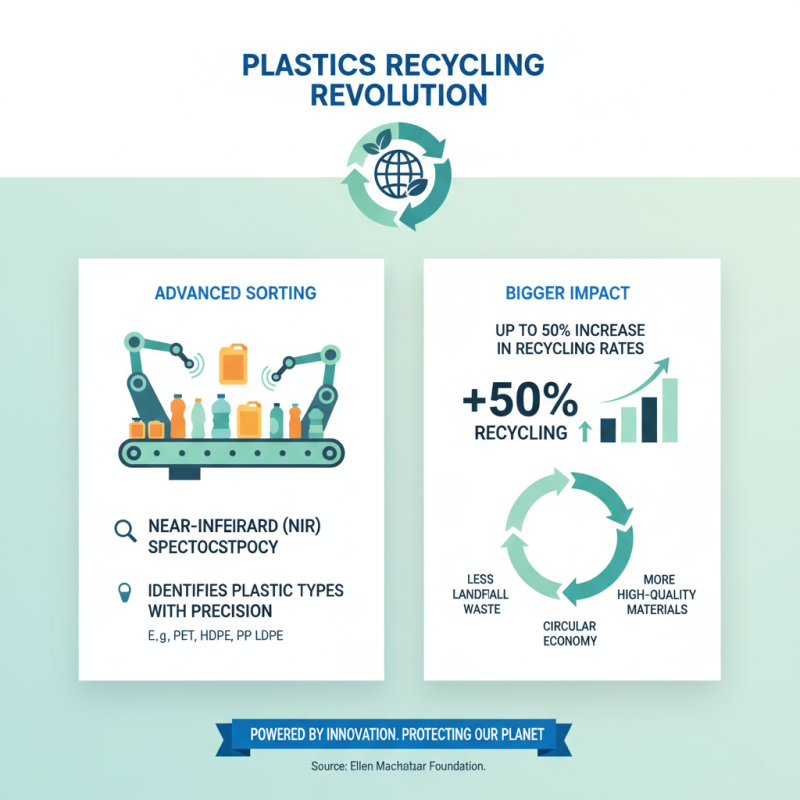
Innovative technologies have transformed the landscape of plastic recycling, significantly enhancing efficiency and reducing environmental impact. For instance, advanced sorting technologies, such as near-infrared (NIR) spectroscopy, enable facilities to identify and separate different types of plastics with remarkable precision. According to the Ellen MacArthur Foundation, efficient sorting can increase recycling rates by up to 50%, ensuring that more plastic waste is processed into high-quality materials instead of ending up in landfills.

Another groundbreaking development is the emergence of chemical recycling methods. Unlike traditional mechanical recycling, which often limits the types of plastics that can be recycled, chemical recycling breaks down plastics into their basic monomers, allowing for the processing of a wider variety of plastic waste. A report from McKinsey & Company indicates that by leveraging chemical recycling, the industry could potentially recycle an additional 30% of urban plastic waste, which is currently not captured by traditional methods.

**Tips for Effective Plastic Recycling:**
- Always clean and dry your plastic containers before recycling them to avoid contamination, which can hinder the recycling process.
- Educate yourself about local recycling guidelines, as not all plastics are accepted in curbside programs; knowing what can be recycled can greatly improve the efficiency of your efforts.
- Consider supporting initiatives and technologies that promote the development of biodegradable plastics, as these solutions can integrate more seamlessly into existing recycling systems and reduce overall plastic waste.

Community Involvement: Initiatives and Education on Plastic Recycling

Community involvement plays a crucial role in effective plastic waste management and recycling. According to a report by the Ellen MacArthur Foundation, only 9% of plastic waste produced globally is recycled, highlighting the urgent need for initiatives that educate communities on better recycling practices. Local initiatives, such as neighborhood clean-up events and recycling workshops, have shown to significantly increase community participation levels. Engaging residents through these programs fosters a sense of responsibility and encourages sustainable habits.

Tips for improving community engagement include collaborating with schools to incorporate plastic waste education into the curriculum. Studies indicate that children who learn about recycling early on are more likely to advocate for these practices in their homes. Additionally, creating social media campaigns that share success stories about local recycling efforts can inspire others to participate. Communities can also establish recycling challenges or competitions to motivate residents and promote teamwork, leading to a more empowered and educated population.

As the Global Recycling Foundation states, increasing recycling rates requires not just infrastructure but also a community that understands the importance of their role. Organizations can host informational sessions that discuss the different types of plastics, the recycling process, and the environmental impact of plastic waste. By equipping community members with knowledge and resources, we can collectively work towards a more sustainable future and ultimately contribute to reducing the staggering amounts of plastic entering landfills and oceans each year.

Register now