



Blog
Top 10 Essential Insights into Our Plastic World Today?
In today’s plastic world, the impact of plastics touches every aspect of our lives. From the packaging of food products to the materials used in technology, plastics are ubiquitous. They offer convenience but also raise significant environmental concerns. The sheer volume of plastic waste is staggering. Oceans and landscapes littered with plastic reveal a stark reality.
Experts emphasize the need for awareness regarding plastic usage. There are alternatives, yet many remain reliant on single-use plastics. This dependency creates a cycle that is hard to break. Individuals, businesses, and governments must reflect on their plastic footprint.
As we explore essential insights into our plastic world, we uncover both challenges and opportunities. The path to sustainability involves difficult choices. Understanding the broader implications of our plastic consumption can lead to meaningful change. Balancing convenience with responsibility is vital for a healthier future.
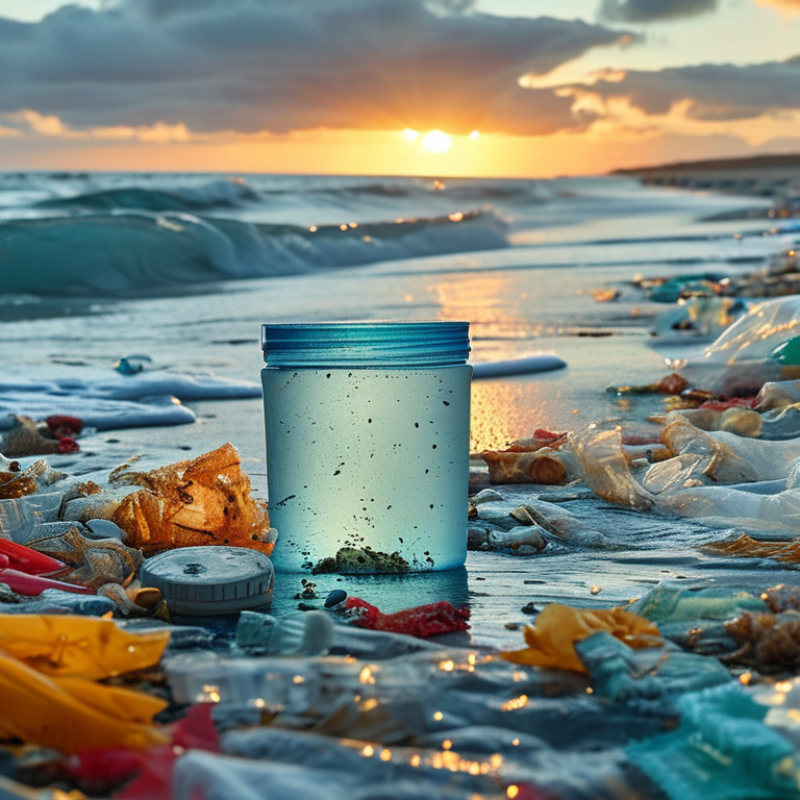
The Ubiquity of Plastic: How It Defines Modern Society
Plastic is everywhere in modern society. According to a 2022 report by the World Economic Forum, over 400 million tons of plastic are produced globally each year. This staggering figure highlights the pervasiveness of plastic in our daily lives. From packaging to household goods, plastic defines our consumption patterns.
In urban settings, plastic waste is an ever-present challenge. The United Nations estimated that approximately 13 million tons of plastic end up in oceans annually. This impacts marine life, ecosystems, and ultimately human health. Cities are grappling with the consequences of single-use plastics, and many are considering bans. Yet, the convenience of plastic makes it hard to resist.
Despite its benefits, plastic creates significant environmental issues. The durability of plastic, which makes it a popular choice, also contributes to long-lasting pollution. Recycling rates remain low, with only 9% of plastic actually being recycled, according to the EPA. The majority of plastic waste is either incinerated or landfilled, leading to serious ecological concerns. These statistics urge us to rethink our dependency on plastic for a sustainable future.
Environmental Impact: Plastic Pollution and Its Consequences
Plastic pollution has become a significant environmental challenge. Reports estimate that 300 million tons of plastic are produced each year. A staggering 13 million tons enter oceans annually. This not only harms marine life but also disrupts entire ecosystems. One in three marine species are affected by plastic debris, leading to widespread fatalities.
Microplastics have infiltrated our food chain. Studies indicate that over 90% of table salt contains microplastic particles. Seafood is another worrying source, with fish ingesting these tiny plastics. The long-term health effects on humans remain largely unknown.
Efforts to mitigate plastic waste are crucial. Less than 10% of plastic is recycled effectively. Many countries are seeking sustainable alternatives but face challenges. Single-use plastics dominate consumer behavior, complicating recycling initiatives. Awareness campaigns are essential to encourage responsible consumption and waste management. The impact of plastic is profound, demanding urgent action from individuals and industries alike.
Health Concerns: Microplastics and Their Effects on Human Health
Microplastics are everywhere. They are tiny plastic particles, often less than 5mm in size. Studies estimate that humans consume 39,000 to 52,000 microplastic particles each year. These particles primarily enter the body through food, water, and air. Research shows potential links between microplastics and various health issues.
Health experts are concerned. Microplastics can cause inflammation and disrupt hormonal systems. A study published in the journal "Environmental Science & Technology" highlighted that these particles may carry toxic substances. This raises questions about long-term effects on human health. More research is needed, but the emerging data is alarming.
Tips: Limit plastic use at home. Opt for glass or metal containers. Filter tap water to reduce microplastic exposure. Stay informed about local water quality reports. Support efforts to reduce plastic pollution in your community. Sharing knowledge can help others make safer choices.
While we gain insights into microplastics, many uncertainties remain. The full impact on our health is still unclear. Continuous monitoring and research are vital. Engaging with scientific literature can enhance understanding and awareness.
Innovations in Recycling: Solutions for a Sustainable Plastic Future
Plastic pollution poses a significant threat to our environment.
Recycling innovations are crucial for addressing this challenge.
Advanced sorting technologies can improve the efficiency of recycling facilities.
These methods separate plastics more effectively based on their types. This accuracy ensures that
recyclable materials are processed correctly.
Biodegradable plastics are also gaining attention. They provide a practical alternative to traditional plastics.
These materials break down more easily in natural environments. However, they still require proper disposal methods to maximize their benefits.
Education on waste management remains vital. People still struggle with recycling correctly.
Furthermore, community-based recycling programs show promise. They encourage local participation and increase awareness.
Many individuals want to do their part but lack guidance. Creating accessible resources can empower communities.
Innovations in recycling should aim to bridge these gaps.
The journey towards a sustainable plastic future demands collective effort and commitment.
Alternatives to Plastics: Exploring Biodegradable Materials and Practices
The increasing reliance on plastics has sparked significant environmental concerns. Reports indicate that around 300 million tons of plastic are produced annually, with a staggering 91% of it never recycled. This situation highlights the urgent need for alternatives. Biodegradable materials present a viable option, offering promise in reducing plastic waste and pollution. These materials, such as polylactic acid (PLA) derived from corn, can decompose in industrial composting facilities within 90 to 180 days. This timeframe is far superior to traditional plastics, which can take hundreds of years to degrade.
However, the transition to biodegradable materials isn't without challenges. Current production methods can require extensive agricultural resources, potentially posing risks to food supply chains. Moreover, not all biodegradable plastics break down effectively in natural environments. A study by the European Commission revealed that only 29% of consumers understand the difference between biodegradable and conventional plastics. Awareness and education are critical for adoption. The current landscape underscores the necessity for comprehensive strategies, combining technology, consumer education, and waste management to truly make biodegradable solutions effective.
Related Posts
-
Tips to Reduce Plastic in Plastic Waste and Its Environmental Impact
-

What Are the Benefits of Using Engineering Plastics?
-
International Plastic Tips for Sustainable Solutions?
-
Top 10 Compound for Plastic Sourcing Worldwide?
-
Top 10 Ways Plastic in Plastic Affects the Environment?
-
10 Best Colors on Plastic for Your Next Project?