


Blog
10 Essential Tips for Choosing the Right Plastic Raw Material?
Choosing the right plastic raw material is critical in manufacturing. Dr. Emily Chen, a renowned expert in polymer science, emphasizes, "The choice of plastic raw material can make or break a project's success." Selecting the appropriate material influences product durability, cost, and environmental impact.
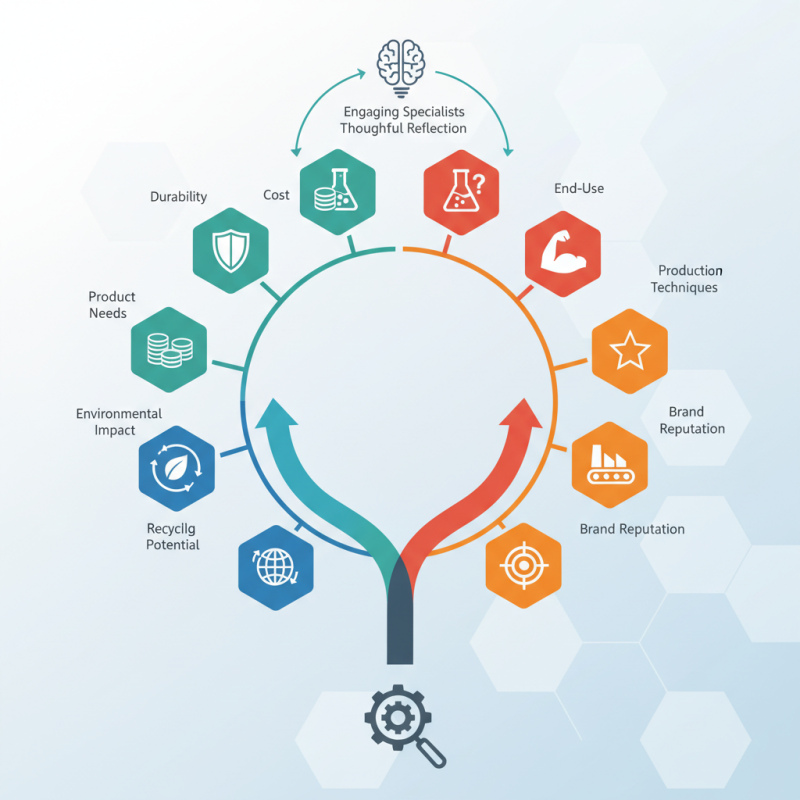
Understanding the specific needs of your product is vital. Certain applications demand high strength, while others prioritize flexibility. You must consider the end-use of the product and the production techniques available. This decision affects everything, from design to marketability.
Many professionals overlook the importance of recycling potential in plastic raw materials. Sustainable choices can enhance brand reputation. It's essential to balance performance and environmental responsibility. Engaging specialists in material science can provide insights. Remember, the best choice is often complex and requires thoughtful reflection.
Understanding the Different Types of Plastic Raw Materials
Choosing the right plastic raw material is crucial for any manufacturing process. Different types of plastic raw materials offer unique characteristics and benefits. Common categories include thermoplastics, thermosets, and elastomers.
Thermoplastics can be reshaped with heat, making them versatile for various applications. They are ideal for products needing flexibility. On the other hand, thermosets harden permanently when heated. This attribute makes them suitable for items that require durability.
Elastomers are another vital category. They provide excellent elasticity and are used in applications like seals and gaskets. Understanding these distinctions can greatly impact your project's success. It’s important to consider factors like strength, temperature resistance, and compatibility with other materials. Each choice comes with its set of trade-offs.
Even experienced professionals occasionally misunderstand these properties. The wrong type of plastic can lead to product failure, increased costs, and waste. It’s essential to gather detailed specifications before making a selection. Engage with suppliers who can provide reliable insights. This process can avoid future mistakes and enhance credibility within your industry. Take the time to conduct thorough research and consult experts to ensure the best fit for your needs.
Evaluating Physical and Chemical Properties of Plastics
When choosing plastic raw materials, evaluating their physical and chemical properties is crucial. Each type of plastic has unique characteristics that affect its functionality and suitability for specific applications. For example, core properties like tensile strength, elongation at break, and impact resistance significantly influence performance. According to a 2023 Plastics Industry Association report, these properties dictate the material's durability in various environments.
The thermal properties of plastics are equally critical. The glass transition temperature (Tg) and melting temperature (Tm) determine how materials behave under heat. Research indicates that many polymers begin to soften well before their melting point. This means operators must consider not just the end-use environment but also processing temperatures. Poor thermal stability can lead to deformation, affecting the product integrity.
Lastly, chemical resistance can vary widely among different plastic types. A report from the American Chemical Society highlights that many standard plastics degrade when exposed to solvents or chemicals. Understanding which substances may come into contact with the material is vital for ensuring long-lasting performance. Manufacturers must thoroughly evaluate these factors, as overlooking them can lead to unexpected failures or reduced product lifespan.
Assessing Environmental Impact and Sustainability Factors
Choosing the right plastic raw material involves multiple considerations, particularly regarding environmental impact and sustainability. According to a report from the Ellen MacArthur Foundation, only around 9% of the world's plastic is recycled. This troubling statistic highlights the significance of assessing a material's lifecycle. Opting for more sustainable materials can reduce environmental burdens significantly. Biodegradable options, such as polylactic acid (PLA), offer an alternative that minimizes harm.
Life Cycle Assessment (LCA) is an essential tool for evaluating sustainability. LCA measures the environmental impacts of a product from raw material extraction to disposal. A 2021 study found that using recycled plastics reduces energy consumption by up to 80% compared to virgin materials. However, sourcing recycled material can be challenging due to contamination issues. This means not all recycled products offer equal sustainability.
It is crucial to consider local waste management practices. Some regions lack the infrastructure to properly recycle certain plastics, leading to greater environmental impacts. Additionally, transparency in sourcing materials can ensure consumers make informed decisions. With growing regulations and increased consumer awareness, companies may be pressured to prioritize sustainable practices in their material choices.
Environmental Impact of Common Plastic Raw Materials
Determining Cost Considerations and Budget Constraints
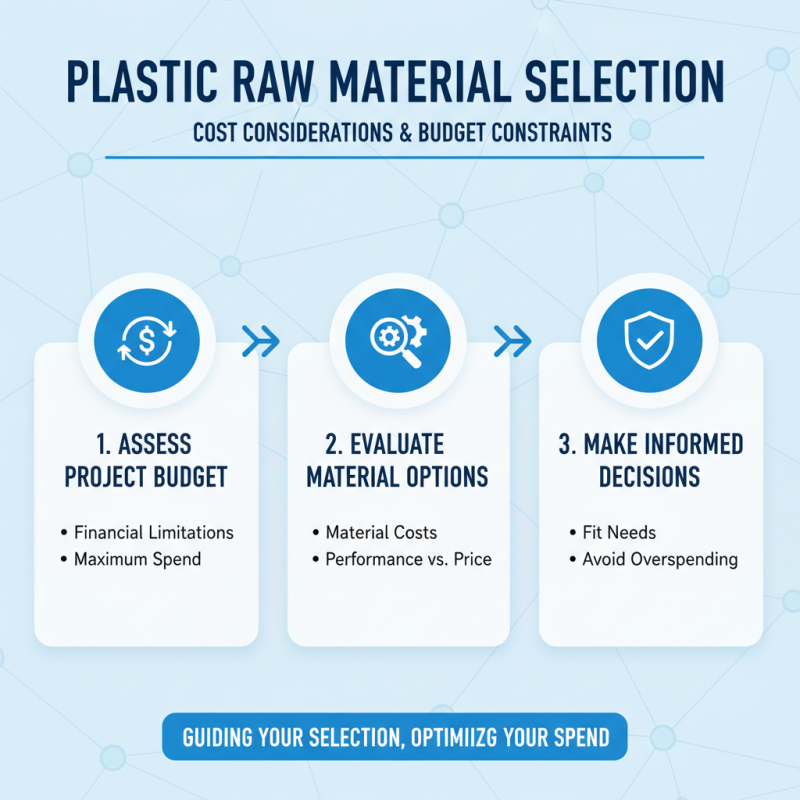
When selecting the right plastic raw material, it’s crucial to assess cost considerations and budget constraints. A thorough understanding of your project's financial limitations will guide you in making informed decisions. Knowing your budget allows for a clearer evaluation of materials that fit your needs without overspending.
Consider the total cost of ownership. This includes not just the purchase price but also processing and maintenance costs. Low-cost materials might seem appealing. However, if they result in higher processing fees or frequent repairs, their long-term value diminishes. Evaluate alternatives carefully. Assess their performance and whether they justify their price.
Think about the material's intended use. Some applications demand durability, while others prioritize flexibility. Choose a material that aligns with your specific requirements to avoid costly mistakes. A mismatch can lead to product failures and increased expenses. Research various options and consult industry experts for insights tailored to your project. Balancing material performance with financial viability requires reflection and may involve compromises. Engaging with knowledgeable professionals can lend valuable perspectives to this complex decision-making process.
Identifying Specific Application Requirements for Plastics
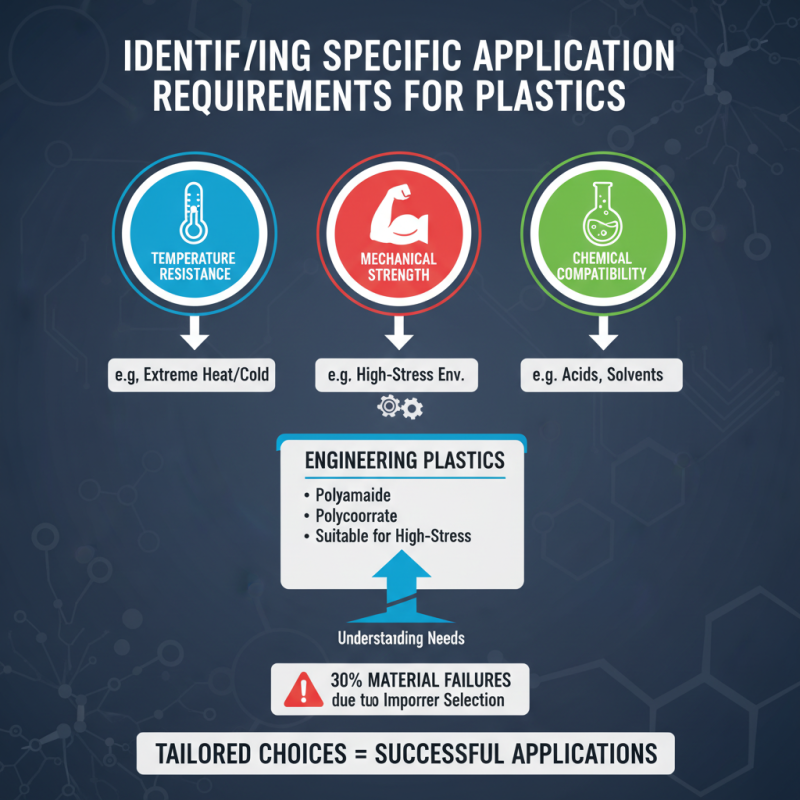
Choosing the right plastic raw material begins with understanding specific application requirements. Each application has unique demands, including temperature resistance, mechanical strength, and chemical compatibility. For example, engineering plastics like polyamide or polycarbonate are suited for high-stress environments. Research indicates that nearly 30% of material failures stem from improper selection, underscoring the importance of tailored choices.
Consider the environmental impact as well. A recent report by the Plastics Industry Association highlights that around 60% of consumers prefer sustainable options. This trend is shifting manufacturers toward biodegradable or recyclable materials. However, balancing performance and sustainability often poses challenges. Not every plastic can meet stringent eco-standards without sacrificing quality.
Ultimately, understanding application specifications is crucial. It informs decisions on durability and cost-effectiveness. Reports show that a mere 15% of companies fully evaluate their material performance against end-use requirements. This gap presents opportunities for improvement. An informed selection process enhances product reliability and supports sustainable practices in the industry.
Related Posts
-
China Top Plastic Raw Materials at 139th Canton Fair Insights?
-
How to Recycle Plastic Effectively: A Comprehensive Guide to Plastic Waste Management
-
Why Are Plastic Factories Essential for Modern Industry?
-

International Plastic Tips for Sustainable Solutions?
-
How to Choose the Right Plastic Additives for Your Manufacturing Needs
-
Exploring the Science Behind Color on Plastic: How Pigments Transform Materials