


Blog
10 Essential Tips to Reduce Plastic Pollution in Daily Life?
Plastic pollution is a growing crisis that affects our planet. Every year, millions of tons of plastic waste end up in oceans and landscapes. This harms wildlife, pollutes water sources, and disrupts ecosystems.
Reducing plastic pollution starts at home. Small changes in our daily routines can have a big impact. For instance, using reusable bags instead of single-use plastic ones helps cut down on waste. Bringing your own containers for takeout is another step. Investing in a metal or glass water bottle is simple yet powerful.
We often overlook how habitual our plastic usage is. Mindless consumption contributes to this crisis. Reflecting on our choices can spark meaningful change. Each step we take matters. By making conscious decisions, we not only protect the environment but also inspire others. Let’s be mindful of the plastic we use daily.

Understanding Plastic Pollution and Its Impact on the Environment
Plastic pollution poses a severe threat to our environment. According to recent reports, approximately 300 million tons of plastic waste are generated globally each year. Much of this ends up in our oceans, harming marine life and disrupting ecosystems. Studies suggest that by 2050, if current trends continue, there may be more plastic in the seas than fish.
One effective way to combat this issue is to reduce single-use plastics. Opt for reusable bags when shopping. A simple swap can prevent countless plastic bags from entering landfills. The impact is significant. Also, prioritize products with minimal packaging. This creates less waste overall. Every choice matters.
Additionally, try to cut down on plastic water bottles. Consider carrying a refillable bottle instead. Reports indicate that eliminating plastic bottles can drastically reduce waste. Every small action contributes to a larger goal. It’s essential to rethink our habits and choices. Making these changes may not always be easy. But the environment's future depends on our commitment to reduce plastic pollution.
Identifying Common Sources of Plastic in Daily Life
Plastic pollution is a pressing issue in our lives. Recognizing the common sources of plastic helps us take action. Single-use plastics, like bags and bottles, are everywhere. They often end up in landfills or oceans, harming wildlife.
One effective tip is to carry a reusable water bottle. This simple change can significantly reduce plastic waste. Bring your own shopping bags when heading to the store. Many people forget this small step. It’s easy to get caught up in convenience. Try to refuse plastic straws at restaurants. It might feel awkward, but it adds up to big changes.
Food packaging is another major source. Opt for products with minimal packaging. Look for bulk bins to reduce plastic use. It requires a bit more effort and planning. But every small action counts. Remember, old habits die hard. We must consciously choose to do better.
Implementing Eco-Friendly Alternatives to Single-Use Plastics
Plastic pollution is a significant issue in our daily lives. Implementing eco-friendly alternatives to single-use plastics is crucial. One simple change is using reusable shopping bags. These bags can significantly cut down on plastic waste. They come in various materials like cotton or recycled fabric. Bringing them along is easy and convenient.
Another effective alternative is using a reusable water bottle. This switch helps reduce the need for disposable plastic bottles. Stainless steel or glass options are durable and safer for health. Additionally, consider using beeswax wraps instead of plastic wrap. These wraps come in beautiful designs and effectively keep food fresh. They can be washed and reused, reducing waste.
Many people struggle to break the habit of using single-use plastics. Change is challenging, and reflecting on personal habits is essential. For instance, consider how often you choose plastic straws. Making a conscious choice can result in meaningful change. Even small steps, like carrying cutlery and a coffee cup, matter. It's all about actively seeking alternatives and adapting to a more sustainable lifestyle.
Adopting Sustainable Practices for Shopping and Consumption
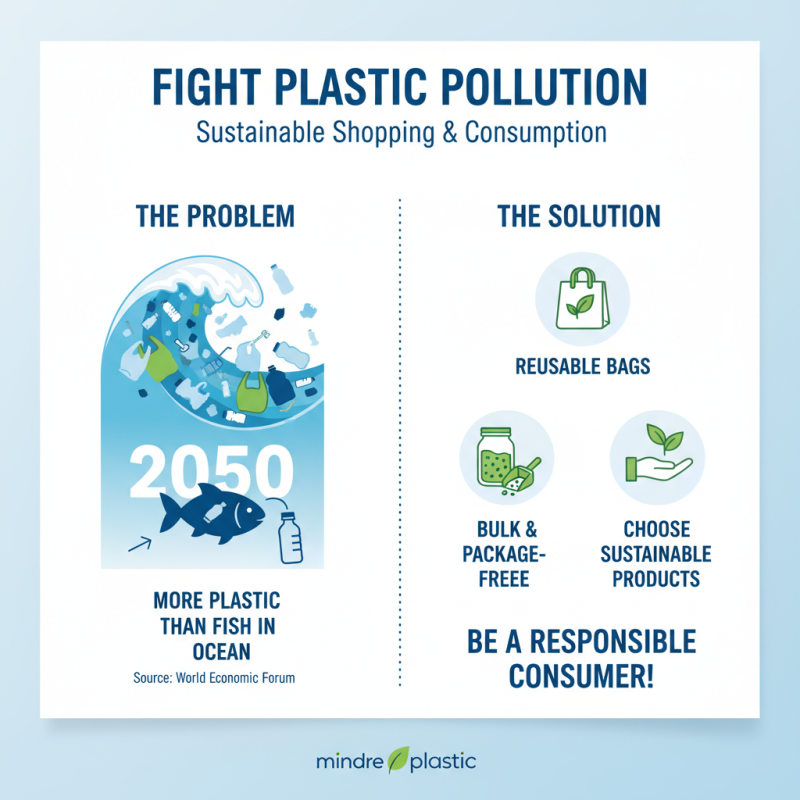
Adopting sustainable practices for shopping and consumption is crucial in the fight against plastic pollution. According to a report from the World Economic Forum, if current trends continue, the ocean will contain more plastic than fish by 2050. This highlights an urgent need for responsible consumer behavior.
One way to make a difference is by reducing single-use plastics. Carry a reusable bag for shopping. It may seem simple, but over one trillion plastic bags are used annually worldwide. Consider opting for bulk items. Purchasing in bulk cuts down on packaging waste. Plus, it may save money, which is an added bonus.
Another important tip is to seek out sustainable brands. Look for companies committed to reducing plastic use. Not every brand will hit the mark, and it's worthwhile to investigate their practices. Sometimes, even brands marketed as eco-friendly have a long way to go. Reflecting on your consumption habits is essential. Aim for products with minimal or no plastic packaging. Small changes can collectively lead to significant impacts, challenging the norms of conventional shopping.
Encouraging Community Involvement in Plastic Reduction Initiatives
Community involvement is vital in the fight against plastic pollution. People need to come together and share ideas. Local workshops can teach residents how to reduce plastic use. Organizing clean-up events transforms parks and beaches. They bring neighbors together while improving the environment.
Collaboration can spark creativity. Community members can brainstorm alternatives to single-use plastics. For example, buying in bulk can reduce packaging waste. Creating local recycling programs encourages everyone to participate. Small changes add up, making a visible impact over time.
However, not every effort will succeed. Some community initiatives may lack participation. Others might face logistical hurdles. It is crucial to engage with local leaders and keep trying. Progress may be slow, but each step counts. Encouraging conversations about sustainability can lead to lasting changes.
10 Essential Tips to Reduce Plastic Pollution in Daily Life
| Tip | Description | Community Involvement |
|---|---|---|
| 1. Use Reusable Bags | Always carry reusable bags for shopping to reduce plastic usage. | Organize neighborhood bag-making events. |
| 2. Avoid Single-Use Plastics | Choose products with minimal plastic packaging. | Start a community challenge to reduce single-use plastic items. |
| 3. Support Local Farmers | Buy fresh produce from local markets to reduce transport-related plastic. | Initiate community farmers market events. |
| 4. Use Glass or Metal Containers | Switch to glass or metal containers for food storage. | Host workshops on DIY food storage solutions. |
| 5. Participate in Clean-Up Drives | Join local community clean-up events to pick up plastic waste. | Coordinate monthly community clean-up activities. |
| 6. Promote Recycling | Educate others on the importance of recycling plastic. | Create a local recycling awareness campaign. |
| 7. Choose Eco-Friendly Products | Opt for products made from sustainable materials. | Organize an eco-friendly product fair. |
| 8. Educate Yourself and Others | Learn about the impact of plastic pollution. | Host informational sessions in the community. |
| 9. Reduce Water Bottle Usage | Use a reusable water bottle instead of single-use plastic bottles. | Champion a community campaign for clean drinking water stations. |
| 10. Advocate for Policy Changes | Support legislation aimed at reducing plastic production. | Engage in local advocacy groups for environmental policy change. |
Related Posts
-
Exploring the 2025 Top Types of Plastics in Our Ever-Changing Plastic World
-
How to Choose the Right Compound Packaging for Your Products?
-

Top Compounds for Plastic in 2025 What You Need to Know
-

10 Best Innovations in a Plastic World?
-

Top 10 Benefits of Using Plastic Compounds in Modern Manufacturing
-
Exploring the Future of Sustainability with Bio Plastics and Their Impact on Our Environment