



Blog
Why Choose Flexible Metal Hoses for Your Industrial Needs?
In today’s industrial landscape, the choice of materials directly impacts operational efficiency and safety. Flexible Metal Hoses are gaining prominence for their unparalleled versatility. Dr. John Matthews, a renowned expert in industrial fluid dynamics, has noted, "Flexible metal hoses provide unmatched adaptability in complex systems." This adaptability makes them essential in various applications, from chemical processing to oil and gas industries.
These hoses are designed to withstand extreme temperatures and pressures, exceeding the capabilities of conventional options. Their construction allows for movement without compromising integrity, which is a critical factor in dynamic installations. Advanced manufacturing techniques ensure reliability, but installation and maintenance can pose challenges. Companies must carefully evaluate their specific needs.
While flexible metal hoses deliver significant benefits, they are not always the perfect solution. Issues such as potential wear and tear or misalignment in certain settings should not be overlooked. Industry professionals need to weigh these factors carefully when opting for flexible metal solutions. Ultimately, a thoughtful approach is essential to maximize performance and ensure safety.
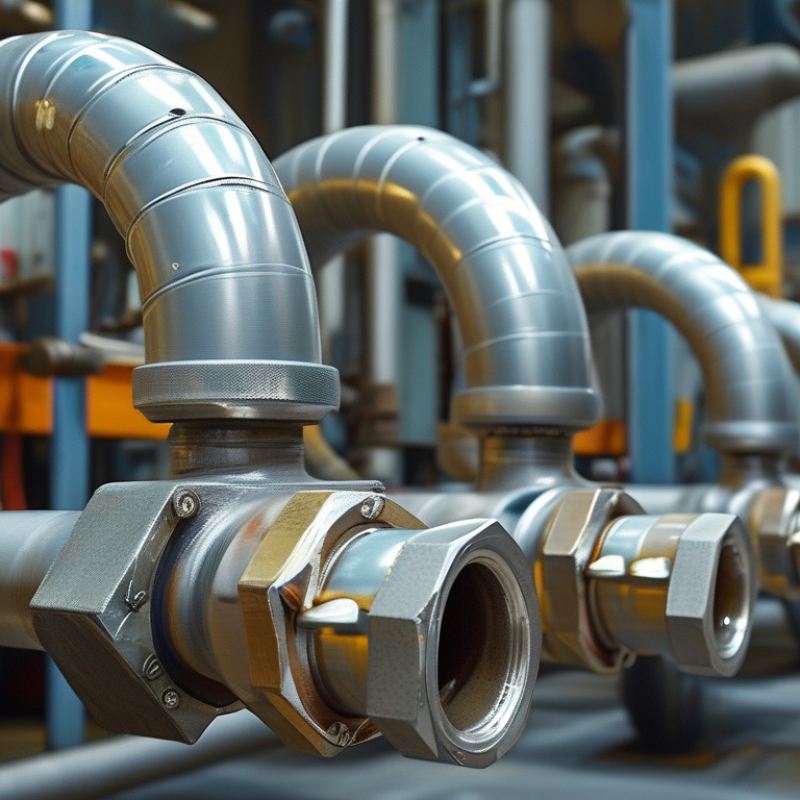
Benefits of Using Flexible Metal Hoses in Industrial Applications
Flexible metal hoses offer significant advantages in industrial applications. These hoses can withstand high temperatures and pressures, making them ideal for various environments. A recent industry report noted that flexible metal hoses can handle temperatures ranging from -320°F to 1500°F. This versatility is crucial for industries like aerospace and chemical processing.
Their ability to absorb vibrations and thermal movements ensures an uninterrupted flow of fluids. This quality leads to reduced mechanical stress on connections. According to the Flexible Hose Manufacturers Association, improper handling of rigid piping can lead to costly damages. Flexible metal hoses can prevent such disasters by allowing for movement without compromising safety.
However, not all applications are suitable for flexible metal hoses. Users must consider the chemical compatibility of the materials involved. In some situations, ASME standards may not cover specific installations. This gap can lead to failures if not properly addressed. Therefore, while flexible metal hoses present many benefits, it’s essential to evaluate their use carefully.
Why Choose Flexible Metal Hoses for Your Industrial Needs?
| Benefit | Description | Applications | Material Options |
|---|---|---|---|
| Flexibility | Can bend and twist to fit complex layouts. | Chemical Processing, Automotive | Stainless Steel, Copper |
| Durability | Resistant to wear, corrosion, and high temperatures. | Oil & Gas, Power Generation | Monel, Inconel |
| Vibration Absorption | Reduces stress on pipeline connections. | Manufacturing, HVAC | 304 Stainless Steel, 316 Stainless Steel |
| Leak Resistance | Prevents leaks and ensures a secure connection. | Water Treatment, Food Processing | PTFE Lined, Nickel Alloys |
Key Materials Used in Flexible Metal Hose Manufacturing
Flexible metal hoses are crucial in various industrial applications due to their durability and versatility. These hoses are primarily made from stainless steel, which offers excellent corrosion resistance and longevity. According to industry reports, around 70% of flexible metal hoses are manufactured using this material. Stainless steel can withstand extreme temperatures and pressures, making it ideal for demanding environments.
Other materials used include carbon steel and bronze. Carbon steel provides affordability, but it lacks the corrosion resistance of stainless steel. For chemically aggressive environments, bronze hoses offer good resistance. However, they may not handle high temperatures as well. The choice of material greatly affects performance and reliability, highlighting the importance of careful selection based on specific industrial needs.
It's worth noting that while flexible metal hoses offer numerous advantages, their performance can be influenced by installation methods and environmental factors. Incorrect installation may lead to leaks or reduced lifespan. Therefore, understanding the material properties and application requirements is essential for ensuring optimal performance. Many users still underestimate this aspect, leading to potential failures in operations.
Versatility of Flexible Metal Hoses in Different Industries
Flexible metal hoses have proven their worth across various industries, thanks to their adaptability and durability. In the chemical sector, these hoses endure extreme temperatures and pressures, making them vital for transporting corrosive substances. A report from the Chemical Engineering Journal highlights that flexible hoses reduce the risk of leaks by up to 30%, which is crucial for safety and compliance.
In the aerospace industry, flexibility is essential. Metal hoses can accommodate the vibrations and movements of aircraft. According to industry reports, they improve system reliability by reducing wear on connectors. This aspect is especially important in maintaining safety standards. Many aircraft manufacturers emphasize that even minor weaknesses in hose design can lead to significant failures.
Nevertheless, flexibility can also present challenges. Some metal hoses may have limited bend radii, which can complicate installation. Engineers often face dilemmas in balancing flexibility and strength. Many installations require innovative solutions, and there is no one-size-fits-all approach. Industry professionals continually seek improved designs to optimize performance while mitigating risks.
Factors to Consider When Selecting Flexible Metal Hoses
Choosing the right flexible metal hoses involves careful consideration of various factors. Material selection is crucial; stainless steel is popular due to its durability and corrosion resistance. However, the specific application determines whether other alloys might be more suitable. Each material has strengths and weaknesses that must align with your operational needs.
Another key factor is the temperature and pressure range. Different applications may require hoses capable of withstanding extreme conditions. Regularly inspecting the hoses for wear and tear is essential. A small leak might indicate the need for replacement before a major failure occurs. Flexibility is important, but it should not compromise strength.
Additionally, the dimensions of the hose matter. Ensure that the diameter matches the pipe or fitting to avoid flow issues. The connection type also impacts installation and maintenance. Fittings should be compatible and properly secured. Mistakes in sizing can lead to costly downtime or inefficiencies. Always consult with experts if you're unsure about your choices; their insights can prevent future complications.
Maintenance and Care for Durable Metal Hose Performance
Flexible metal hoses are essential in industrial applications. Their durability relies heavily on proper maintenance. Regular inspection is vital to identify any wear or damage. A well-maintained hose can last significantly longer, ensuring efficient operations.
One tip for maintenance is to avoid over-bending the hose. Excessive bending can lead to kinks or ruptures. Industry data indicates that 30% of hose failures are due to improper bending. Always follow manufacturer guidelines for bending radii. Regularly clean the hoses to prevent buildup of contaminants. A clean hose performs better and reduces the risk of failure.
Another important aspect is connection integrity. Ensure fittings are tight to avoid leaks. Checking connections periodically can prevent hazardous situations. According to a report by the Hose Manufacturers Association, 25% of industrial incidents are caused by leaks. Actively monitoring these connections can improve safety and efficiency.
Performance Analysis of Flexible Metal Hoses
This chart illustrates the performance ratings of flexible metal hoses across various essential factors such as durability, flexibility, corrosion resistance, temperature resistance, and pressure capability. These characteristics make flexible metal hoses a suitable choice for demanding industrial applications.