



Blog

2026 How to Choose the Best EVA Yoga Mat for Your Needs?

Choosing the right EVA Yoga Mat is essential for any yoga enthusiast. As a popular material, EVA provides excellent cushioning and durability. Renowned yoga expert, Dr. Sarah Lin, states, “A quality EVA Yoga Mat is key to a stable practice.” This highlights the importance of making an informed decision.

When selecting an EVA Yoga Mat, consider the thickness, texture, and weight. These factors greatly influence your comfort and stability during practice. A thicker mat may offer more cushioning, but could be less stable. Balance is crucial. The wrong choice can disrupt your flow and lead to discomfort.

While many mats claim to be eco-friendly, it's vital to check for certifications. Not all EVA is created equal. Ensuring that your mat is free from harmful chemicals increases its reliability. Reflect on your needs and preferences before making a final decision. The perfect EVA Yoga Mat should enhance your practice, not hinder it.
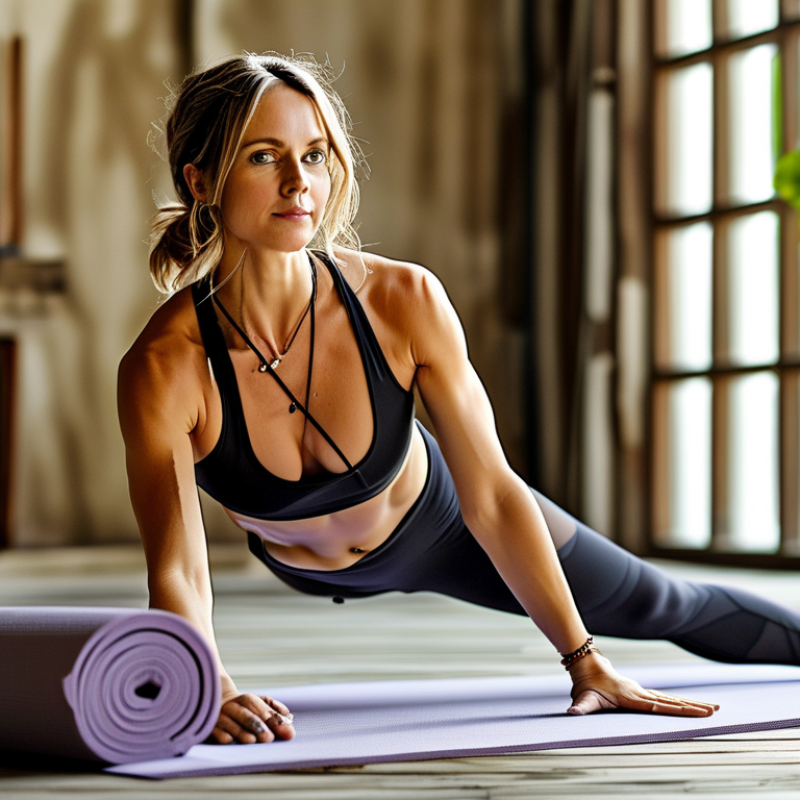
2026 How to Choose the Best EVA Yoga Mat for Your Needs?

Understanding EVA Material in Yoga Mats

When choosing a yoga mat, the material significantly influences your practice. EVA, or ethylene-vinyl acetate, is a popular choice for many yogis. This material excels in cushioning and responsiveness. Its lightweight nature makes it easy to transport. EVA mats provide good grip, enhancing stability during poses.

Understanding the properties of EVA is essential. This material is often softer than others, offering a gentle surface. However, its durability can vary, so considering usage frequency is important. Some practitioners may notice wear after intense sessions. Reflecting on how often you practice can guide your choice.

EVA mats are generally eco-friendlier than PVC options. They are often free of harmful chemicals. This aspect adds to their appeal for health-conscious individuals. You might find that not all EVA mats are equal. Some may lack the ideal texture or thickness for your needs. Testing a few different styles can help you find the right fit.

Comparison of EVA Yoga Mat Features

Key Features to Look for in EVA Yoga Mats

When choosing an EVA yoga mat, focus on key features that enhance your experience. A mat's thickness plays a vital role in comfort and stability. Most mats range from 4mm to 6mm. A thicker mat may offer more cushioning, but it can also affect balance. Test a few mats to find the right thickness for your practice.

The surface texture is crucial as well. A non-slip surface ensures safety during challenging poses. Look for a mat with a textured finish for better grip. Avoid overly shiny finishes; they can become slippery when wet. Pay attention to the mat’s weight. Lightweight mats are easier to transport, but heavier mats often provide better durability.

Lastly, consider the mat's durability and eco-friendliness. Some EVA mats wear out faster with frequent use, leading to punctures and tears. Check the material composition; eco-friendly options tend to last longer and minimize environmental impact. Reflect on these features to find a mat that suits your practice. Each person's needs vary, and that’s okay. Take your time to explore and discover what truly matters in your yoga journey.

Comparing Thickness and Density of EVA Yoga Mats

When selecting an EVA yoga mat, thickness and density are two essential factors to consider. Thicker mats provide extra cushioning and support. They're ideal for beginners or those with joint issues. However, excessive thickness can hinder stability during balance poses. A mat that is too thick may not offer the ground connection you need for proper alignment.

Density plays a crucial role in how a mat responds to pressure. High-density mats tend to offer better durability and traction. They maintain their shape over time, even with regular use. Conversely, lower density mats may feel softer but can compress quickly. This can lead to a less effective practice. A balance between thickness and density ensures comfort without sacrificing stability.

Reflect on your practice style and needs. Are you focusing on restorative workouts or intense training sessions? Depending on your goals, you might need to test a few options. There’s no one-size-fits-all answer. Your mat should resonate with your unique approach to yoga. Taking the time to evaluate these factors will enhance your experience on the mat.

Evaluating Texture and Grip for Stability

Choosing the right EVA yoga mat is crucial for a safe practice. One of the critical factors to consider is texture and grip. Textures can significantly influence stability during various poses. A study published in the Journal of Sports Science indicates that mats with a higher coefficient of friction can reduce slippage by up to 60%. This is essential for maintaining balance, especially in dynamic sequences.

Different textures cater to varying preferences. A smooth surface may offer comfort but can lack traction. Conversely, a more textured mat can enhance grip but may feel rough against the skin. The right balance is essential. According to industry surveys, 45% of yoga practitioners reported that grip was the primary factor in their purchasing decision. It’s worthwhile to try mats with different textures to find one that feels right.

Be mindful of your practice style as well. Hot yoga, for example, requires mats with superior moisture-wicking properties. You may find that a mat that provides excellent grip during a vigorous practice can feel sticky during a gentle flow. This inconsistency can lead to frustration. Always consider how the mat feels in various poses, particularly those that challenge your stability. Not every mat will meet all your needs, and that’s okay. Reflect on your experiences, and adjust your choice accordingly.

2026 How to Choose the Best EVA Yoga Mat for Your Needs?

Mat Thickness (mm) Texture Type Grip Rating (1-10) Stability Rating (1-10) Weight (lbs) Durability Rating (1-10)
6 Textured 9 8 2.5 8
4 Smooth 7 9 3.0 7
8 Honeycomb 10 7 2.8 9
5 Sculpted 8 8 2.6 8
10 Ultra-Smooth 6 10 3.5 6

Choosing the Right Size and Weight for Your Practice

When choosing an EVA yoga mat, size and weight matter significantly. Consider your height and the types of poses you practice. A standard mat is about 68 inches long. Taller practitioners may struggle without extra length. A longer mat, like 72 inches, provides ample space for expansive movements. Meanwhile, a thicker mat can offer better cushioning but might also increase its weight.


Think about where you'll use your mat. If you practice at home, weight isn't a top concern. However, for those who travel to classes, a lightweight option is ideal. Many mats weigh between 2 and 5 pounds. A heavier mat offers stability but can be a hassle to carry. Balancing between comfort and portability is crucial.


Reflect on your personal practice. Some prefer a firm surface for balance poses, while others need cushioning during restorative yoga. Finding the right size and weight may take time. It’s part of the journey. Take note of what feels right for you in different situations. In the end, your mat should support and enhance your practice, not hinder it.

Article Source:

Register now