



Blog
2026 How to Choose the Right Rubber Engine Mount for Your Needs?
When selecting the right Rubber Engine Mount, it's crucial to understand both the technical specifications and practical applications. The global market for engine mounts is projected to reach USD 4 billion by 2026, according to industry reports. This growth emphasizes the importance of choosing a mount that meets your specific needs.
Rubber Engine Mounts play a vital role in vehicle performance and comfort. They help reduce vibrations and noise, enhancing the driving experience. Data indicates that over 70% of vehicular noise is attributed to engine vibrations. Therefore, the right mount can significantly impact your vehicle's longevity and overall driving quality.
While many options exist, not all Rubber Engine Mounts are created equal. Considerations such as material composition and design are essential. A poorly chosen mount can lead to unwanted vibrations and increased wear on engine components. It's essential to reflect on how the chosen mount affects your vehicle's performance, rather than just opting for a cheaper option. This decision can have lasting implications on your vehicle's reliability and comfort.
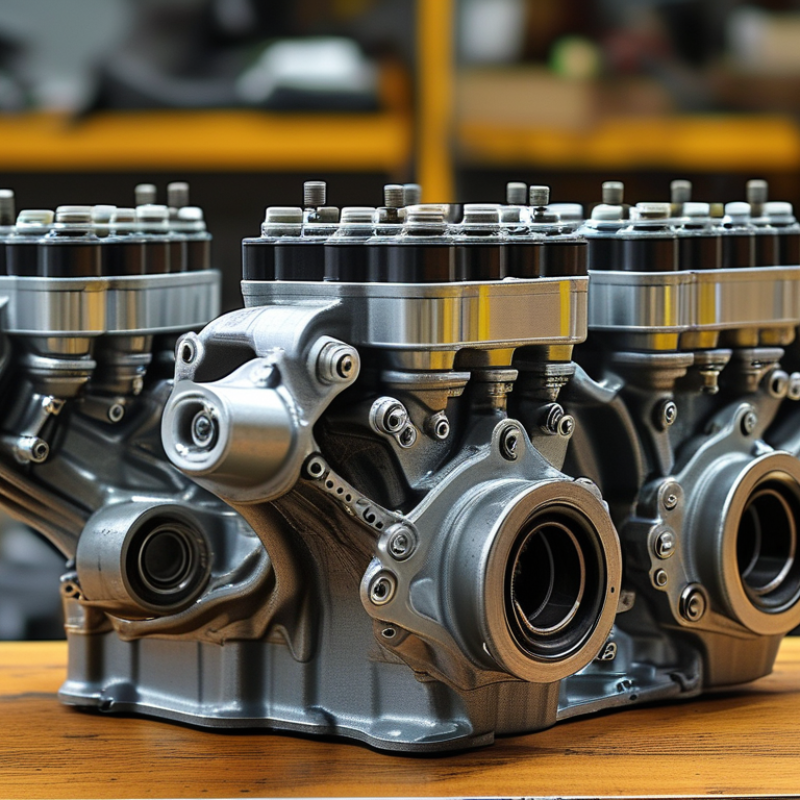
Understanding the Role of Rubber Engine Mounts in Vehicle Performance
Rubber engine mounts play a crucial role in vehicle performance. They connect the engine to the chassis, absorbing vibrations. This improves ride comfort and minimizes noise. A well-functioning mount enhances stability during acceleration. When engine mounts wear out, they can cause excessive vibrations. This often leads to further mechanical issues.
Selecting the right rubber engine mount involves understanding specific needs. Consider vehicle weight and driving style. A performance vehicle may require stiffer mounts for better handling. Conversely, a daily driver benefits from softer mounts that enhance comfort. Inspecting mounts regularly is essential. Signs of wear include cracks or gaps. These issues can compromise vehicle performance.
Choosing the correct mount is not just about comfort. It influences longevity as well. Incorrect mounts could lead to mounting system failures. This creates a safety risk. Be aware of vehicle specifications. An informed choice can enhance both safety and performance. Feel free to consult a professional for deeper insights. Your vehicle deserves the best.
Factors to Consider When Choosing Rubber Engine Mounts
Choosing the right rubber engine mount is essential for vehicle performance. Several factors come into play when making your selection. The first factor is the load requirements. Engine mounts need to withstand the weight and stress of the engine. A report from the Automotive Research Institute indicates that improperly rated mounts can lead to increased vibrations and stress on the vehicle frame.
Material composition is another important aspect. Rubber quality affects durability and flexibility. High-quality mounts can resist harsh environments while providing necessary support. In fact, studies show that high-grade rubber can extend the lifespan of the mount by up to 30%.
When considering your options, think about any specific conditions your vehicle will face. Extreme temperatures or exposure to chemicals can degrade rubber performance. Assessing your vehicle's specific needs can ensure optimal performance and comfort.
A practical consideration is installation. An incorrect installation may lead to further issues down the line. Take the time to ensure proper fitment and alignment. It’s better to double-check now than to deal with costly repairs later.
Types of Rubber Engine Mounts and Their Applications
When selecting a rubber engine mount, it's essential to understand the various types available. Each type serves different applications. The most common are torque mounts, hydraulic mounts, and solid mounts. Torque mounts control engine movement and vibrations, making them ideal for high-performance vehicles. Hydraulic mounts use fluid to absorb vibrations, providing a smoother ride. Solid mounts are more rigid and offer better stability but may transmit more noise.
Choosing the right engine mount requires careful consideration. Factors such as engine size, vehicle type, and driving conditions matter. For instance, if you're driving in off-road conditions, opt for mounts with enhanced durability. The material composition of rubber can also affect performance. Softer compounds absorb shocks better, while harder compounds offer increased longevity.
When making your decision, assess your driving style. Frequent acceleration may require more robust mounts. Listen for unusual vibrations or noises; these could indicate a failing mount. Regular maintenance is crucial, and replacing worn mounts can significantly improve your vehicle's performance. It's a good practice to consult a professional if you're uncertain about your needs. Always consider the specific requirements before making a purchase.
How to Assess Quality and Durability of Rubber Engine Mounts
When evaluating the quality and durability of rubber engine mounts, several factors come into play. The material used in the mounts is crucial. High-quality rubber compounds tend to withstand heat and vibrations better. Look for mounts that are designed to handle extreme conditions. Additionally, assess how well the rubber is bonded to the metal components. Poorly bonded materials can lead to early failure.
Another important aspect is the design of the mount. Some mounts include reinforced structures to absorb more shock. This can significantly extend their lifespan. However, not all designs are created equal. It's essential to research and compare the specifications of different mounts. Pay attention to the thickness and flexibility of the rubber to gauge how it will perform under stress.
Consider user reviews and expert opinions. This information can provide insight into real-world performance. However, remember that experiences can vary. What works for one vehicle might not suit another. Be cautious of overly positive reviews, as they can be misleading. Ultimately, taking the time to assess these qualities will lead to better choices in rubber engine mounts.
2026 How to Choose the Right Rubber Engine Mount for Your Needs? - How to Assess Quality and Durability of Rubber Engine Mounts
| Property | Description | Importance Level (1-5) | Material Type |
|---|---|---|---|
| Hardness | Measured in durometer; affects vibration absorption capability. | 4 | Natural Rubber |
| Compression Set | Ability to return to original shape after compression. | 5 | Synthetic Rubber |
| Tensile Strength | Resistance to being pulled apart; indicates durability. | 4 | EPDM Rubber |
| Temperature Resistance | Ability to withstand extreme temperatures. | 5 | Silicone Rubber |
| Weight Capacity | Maximum load it can support without failure. | 4 | Nitrile Rubber |
Tips for Installation and Maintenance of Rubber Engine Mounts
Installing and maintaining rubber engine mounts is critical for vehicle performance. Proper installation minimizes vibrations and optimizes engine alignment. A study indicates that well-installed mounts can reduce engine vibrations by up to 70%. This reduces wear on other components and enhances comfort inside the vehicle.
When installing mounts, attention to detail is vital. Ensure the mounting surfaces are clean and free of debris. Misalignment can occur if the condition of surrounding components is not assessed. Engine torque specifications should also be followed closely. Regular visual inspections help identify any signs of wear or damage early. Reports suggest that routine checks can prolong the life of mounts by over 30%.
Maintenance is not just about inspections; it also involves understanding performance indicators. Unusual vibrations or noises can signal that it’s time for replacement. Rubber degradation can lead to degraded performance. Keeping an eye on the service history ensures that mounts are renewed when necessary. Ignoring these factors may lead to larger issues down the road.