10 Plastic to Plastic Recycling Tips for Buyers
Buying recycled resin is not as simple as comparing prices. A bale of clear PET bottles behaves differently from mixed-color HDPE, and a small amount of contamination can affect processing. Buyers need to understand the material, its intended use, and the supplier’s quality controls. Small details matter. Color, melt flow, odor, moisture, and pellet consistency can all influence production results. The phrase plastic to plastic describes a practical loop: used plastic is collected, processed, and made into material for new plastic products. The loop works best when buyers and suppliers agree on clear specifications.
These ten tips help buyers ask sharper questions before placing an order. Request a sample and review its technical data against your equipment and product needs. Ask how incoming material is sorted, cleaned, and tested. Confirm what recycled content is documented, and how batch records can be traced. Keep written specifications and review them when a shipment arrives. A certificate can be useful, but it does not replace a material check. Real material varies. Even a careful supplier may see differences between batches, so buyers should discuss acceptable tolerances before production. This guide offers a starting point, not a perfect checklist. Some questions may reveal gaps in your own purchasing process, too. Take the time to test, compare, and revisit assumptions; that careful work can support more dependable sourcing and better plastic-to-plastic outcomes.
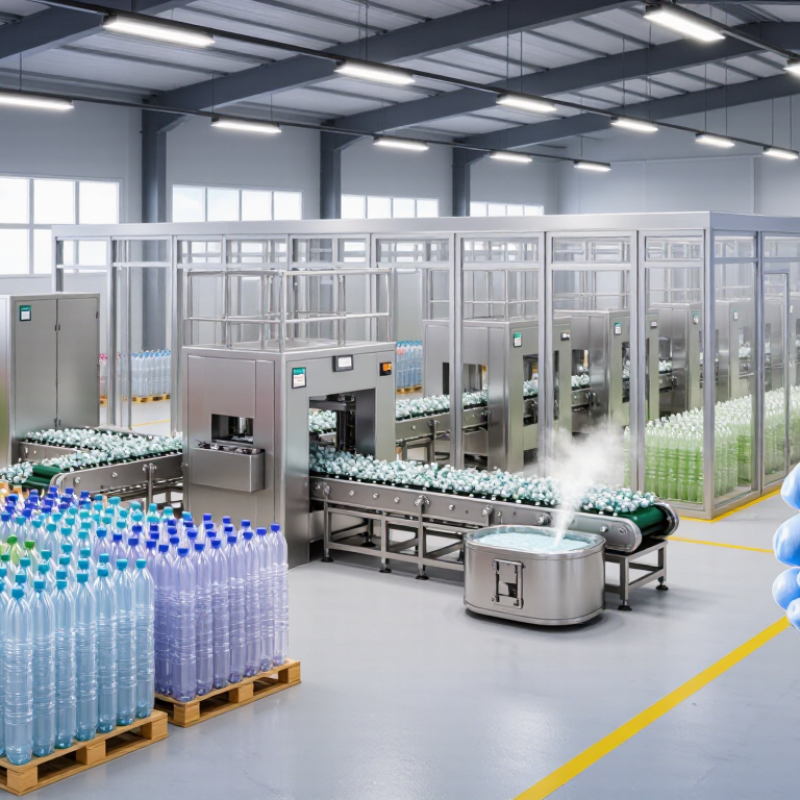
Define Resin Type, Grade, and End-Use Requirements Before Sourcing
Before sourcing recycled plastic, define the resin, grade, and final use in writing. PET, HDPE, and polypropylene behave differently during processing. Even within one resin, melt flow, color, odor, and contamination can vary. OECD’s Global Plastics Outlook (2022) estimated that only 9% of plastic waste worldwide was ultimately recycled in 2019. That figure makes clear why “recycled plastic” is not a sufficient purchasing specification. A clear target helps buyers compare samples and avoid material that cannot perform in the intended product.
Tip: Name the resin and grade, then list measurable limits for melt flow, moisture, color, and contamination. State whether the material is post-consumer or post-industrial. Describe the end use, processing method, and any performance tests the supplier must meet. Ask for a recent technical data sheet and a representative sample. Test it on your own equipment when possible. A datasheet is not a guarantee.
Match specifications to real production needs. A rigid molded part may tolerate color variation that a visible consumer product cannot. Film applications may need tighter limits on gels and melt consistency. Request batch-level results and agree on how out-of-spec material will be handled. Keep the criteria practical; over-specifying can raise costs without improving the product. And buyers should revisit assumptions. Recycled feedstock can vary, even when the paperwork looks tidy.
Verify Supplier Claims: Only 9% of Plastic Waste Was Recycled in 2019 (OECD)
OECD estimated that only 9% of plastic waste was recycled in 2019.
That figure is a warning for buyers, not proof that every supplier’s recycled-plastic claim is false. Ask what “recycled” means in the supplier’s records: collected material, processed resin, or finished goods containing recycled content. These are different measures.
Request recent production records showing material type, volume, and the proportion used in your specific product. Check whether the evidence covers the factory and product you are purchasing, rather than a company-wide total. A certificate can help, but it does not replace traceable paperwork or a clear explanation of the calculation. Look for independent audits, too. Dates matter.
Small details count. A batch sheet should connect incoming flakes or pellets to production dates and shipped quantities. Compare those figures, and ask about losses during sorting and processing. If numbers do not match, ask why before approving an order. I have seen neat summaries feel reassuring; they can still leave gaps. That is worth admitting. Recycled content is not automatically better if the claim is vague, so keep your questions specific and save the answers with the purchase records.
Test Contamination, Melt Flow, and Batch Consistency Against Specifications
Before buying recycled plastic resin, request a written specification and a recent sample from the production lot. Check for paper, metal, dust, and mixed-color flakes; even a few visible specks can affect appearance or processing. Small flakes matter. Ask how contamination is measured, not just whether the material is “clean.” A sieve check and a documented sample inspection can reveal problems, but neither catches every polymer mismatch.
Compare melt flow rate with your processing needs and the supplier’s stated range. Test samples using the same method, temperature, and load each time; otherwise, results may not be comparable. Record the measured value and the test conditions. A resin that looks uniform may still flow unevenly during molding or extrusion. If the result sits near your limit, pause and investigate rather than accepting a rounded number.
Batch consistency deserves repeated checks. Request results from several lots, then compare color, moisture, contamination, and melt flow against agreed tolerances. Keep a sealed retain sample from each delivery, with its lot number and test date. This makes later changes easier to trace. Supplier paperwork helps, but it is not a substitute for verification. Sampling can miss variation inside a large shipment, and I would not pretend otherwise; increase checks when results drift or production becomes unstable.
Compare Recycled Content, Yield, and Cost with Virgin Resin
When comparing recycled plastic with virgin resin, check the actual recycled-content percentage and the material’s consistency. A low-cost grade may contain more variation in color, moisture, or melt flow. Ask for recent test data and compare samples under the same processing conditions. Small differences matter. Record scrap, rejected parts, and machine adjustments during a production trial, not just the resin price per kilogram.
Tips: Calculate cost per usable kilogram: include purchase price, processing losses, and rejected output. Weigh a known batch before and after production. Run it twice.
Yield can change the comparison quickly. For example, if recycled resin costs less but produces more start-up scrap, its savings may shrink. Compare the same part, equipment, and acceptance criteria against virgin resin. Also check whether cycle time or drying needs change. A spreadsheet helps, but supplier data alone may not predict your line’s results. I’d treat a short trial as a useful estimate, not a guarantee; one test run can miss seasonal or batch variation. Keep the assumptions visible, especially when estimating annual savings.
Check Traceability: The EU Recycled 40.7% of Plastic Packaging in 2022
10 Plastic to Plastic Recycling Tips for Buyers
Check Traceability: The EU Recycled 40.7% of Plastic Packaging in 2022
The EU recycled 40.7% of its plastic packaging waste in 2022. This is a useful benchmark, but it does not show how much recycled plastic went into each new package. Buyers need to check the material’s journey, not rely on the headline figure alone.
Request records linking the recycled feedstock to the supplied material. Useful evidence may include collection or processing documents, batch numbers, shipment dates, and the stated recycled content. Compare quantities across those records. If a supplier claims recycled content, ask how that percentage was calculated and whether it applies to the whole item or only one component.
Keep the paperwork with your purchase records. Paper trails matter. A clear batch reference can help connect a delivered pellet or flake to its supporting documents. Still, traceability systems are not always complete; mixed streams and inconsistent records can make verification difficult. Ask questions when dates, volumes, or material descriptions do not match. The 40.7% rate also hides differences between countries and collection systems. It is a starting point for scrutiny, not proof that a particular product is circular.
Plastic-to-Plastic Recycling: Check Traceability
EU plastic packaging recycling rate, 2021–2022
The EU recycled 40.7% of its plastic packaging waste in 2022, up from 39.7% in 2021. When buying recycled plastic, request traceability documents that identify the material’s origin and recycled content.