



Blog
What to Know About Propeller Pump Systems for Global Buyers?
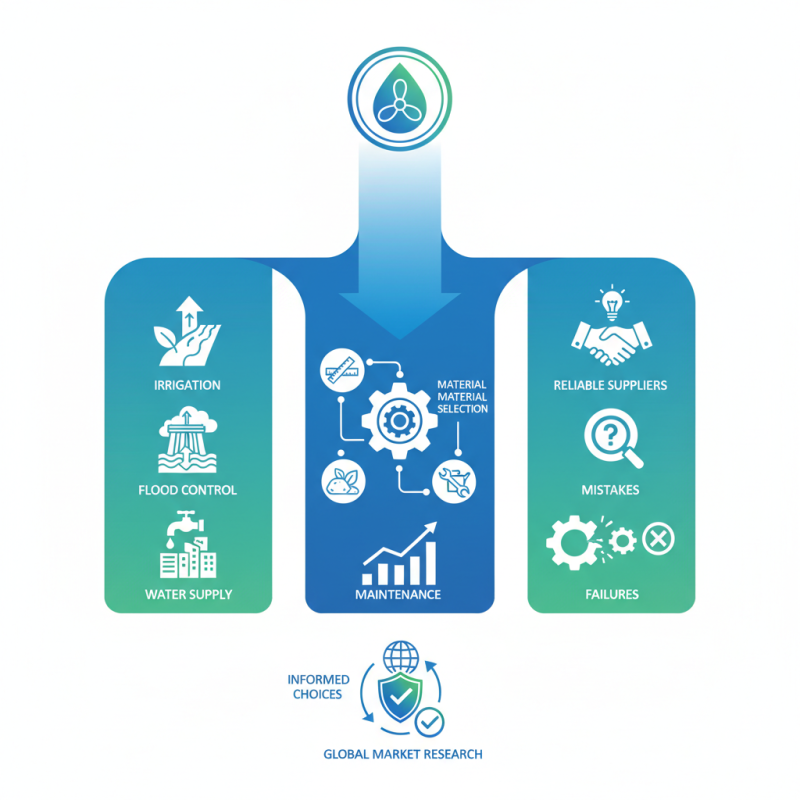
Understanding Propeller pump systems is crucial for global buyers. These systems have unique applications and benefits. They are commonly used in irrigation, flood control, and water supply industries.
The efficiency of a propeller pump system can greatly affect operational costs. Factors such as design, material selection, and maintenance play roles. Buyers must consider these elements when making decisions. Reliable suppliers provide not only products but also expertise. Their knowledge ensures that buyers choose the right system for their needs.
Mistakes can happen. Selecting the wrong system or overlooking maintenance can lead to failures. It is vital to understand the specific requirements of your application. Engaging with experienced professionals can mitigate these risks. In an evolving market, thorough research is necessary to make informed choices.
Overview of Propeller Pump Systems and Their Applications
Propeller pump systems are crucial in various industrial sectors, especially for transferring fluids.
These systems are characterized by their axial flow design, which allows them to move large volumes of liquid efficiently. According to a market analysis report by Research and Markets, the global propeller pump market is expected to grow significantly, driven by the increasing demand for irrigation and water supply systems. This growth highlights the importance of understanding the operational benefits and challenges of propeller pumps.
The applications of propeller pumps extend beyond agriculture. They are utilized in municipal water treatment facilities and industrial processes. Their ability to handle a wide range of flow rates makes them versatile. However, these pumps are not without limitations. They are sensitive to changes in fluid viscosity and require regular maintenance to ensure optimal performance. Reports indicate that improper installation can lead to efficiency losses, emphasizing the need for skilled technicians.
In terms of energy efficiency, propeller pumps can operate at relatively low power consumption levels. This aspect is critical in reducing operational costs. However, buyers should carefully assess their specific requirements before making a decision. Not all projects will benefit equally from a propeller pump system. Each application requires precise engineering and planning to avoid potential pitfalls.
Key Components and Design Features of Propeller Pumps
Propeller pumps are crucial in various applications, particularly for water and wastewater management. Their design features significantly influence efficiency and performance. The primary components include the impeller, volute casing, and bearings. The impeller essentially converts rotational energy into kinetic energy. According to recent industry reports, these pumps can achieve efficiencies exceeding 85%.
When selecting a propeller pump system, pay attention to the materials used. Corrosion-resistant materials enhance the pump's lifespan. Additionally, the right sizing ensures optimal performance and energy savings. A poorly sized pump can lead to inefficiencies, increasing operating costs.
Tips: Always consider the specific application needs. Evaluate flow rate, head, and fluid characteristics before making a decision. Regular maintenance is vital to keep the system running efficiently. Remember that neglecting maintenance can result in unexpected downtime and costs.
What to Know About Propeller Pump Systems for Global Buyers? - Key Components and Design Features of Propeller Pumps
| Component | Description | Material | Common Applications |
|---|---|---|---|
| Impeller | Rotating part of the pump that moves the fluid. | Cast iron, bronze, stainless steel | Water and wastewater treatment |
| Diffuser | Helps direct the flow of fluid within the pump. | Plastic, stainless steel | Irrigation systems |
| Suction Strainer | Prevents debris from entering the pump. | Stainless steel, bronze | Industrial applications |
| Motor | Provides mechanical energy to the pump. | Aluminum, cast iron | Agricultural pumping |
| Bearing | Reduces friction between moving parts. | Bronze, plastic | Pumping large volumes of water |
Factors Influencing the Selection of Propeller Pump Systems
When selecting propeller pump systems, several key factors come into play. First, application requirements are crucial. These pumps are designed for high-flow, low-head operations. They excel in applications like irrigation and wastewater management. According to a recent industry report, the market for propeller pumps is projected to grow by 5.4% annually through 2027, signifying increased demand in various sectors.
Material compatibility is another essential consideration. Pumps are often exposed to corrosive substances and varying temperature ranges. Ensuring the right materials can prevent premature wear and failure. Studies show that corrosion-resistant materials can extend pump life by up to 30%. This reliability directly impacts operational costs.
Pump efficiency is a pivotal element as well. High-efficiency models reduce energy consumption, translating to lower costs. The Energy Efficiency Ratio (EER) is often used to assess this. Experts note that even a small increase in efficiency, around 1%, can lead to significant energy savings in large systems. Evaluating these aspects thoroughly can lead to better decision-making in procurement processes.
Maintenance and Operational Considerations for Buyers
When considering propeller pump systems, maintenance and operational efficacy are crucial for global buyers. According to a recent industry report from the Pump Industry Analysts, a significant 30% of pump failures are due to inadequate maintenance. Regular inspection of propeller pumps ensures not only longevity but also peak efficiency. Many operators often overlook the importance of monitoring vibration levels. Excessive vibrations can lead to mechanical failures, thus increasing operational costs.
Operational considerations also play a pivotal role in the effectiveness of propeller pump systems. A comprehensive study revealed that nearly 25% of energy costs stem from inefficiencies in pump design and operation. Optimizing pipe diameters and ensuring proper installation can mitigate these inefficiencies. Furthermore, buyers should be aware of the importance of keeping the impeller and casing free from debris. Contaminants can dramatically reduce performance and lead to unnecessary maintenance.
Many buyers underestimate the significance of staff training regarding pump operations. Although the technology may be advanced, human error remains a leading cause of operational outages. Investing in training programs can reduce this risk. In summary, acknowledging these maintenance and operational challenges leads to better management of propeller pump systems.
Market Trends and Future Outlook for Propeller Pump Systems
Propeller pump systems are gaining popularity worldwide. As industries push for efficiency, these pumps offer reliable solutions for various applications. The market is evolving, influenced by technological advancements and environmental concerns. There is a growing trend towards energy-efficient designs. Buyers are increasingly looking for pumps that minimize environmental impact while maximizing performance.
Choosing the right propeller pump requires careful consideration. Examine the specifications and applications. Different settings may demand unique features. Be aware of the balance between power and energy consumption. A pump that is too large or too small may lead to inefficiencies. Consider future needs and scalability as industries shift.
Tips: Always review the latest market trends. Keep an eye on innovations that may benefit your projects. Engage with experts for insights on optimal choices. Understanding the impact of regulations is essential. Stay informed about sustainability practices to align your projects with industry standards.
Propeller Pump Systems Market Trends
This bar chart illustrates the market share of propeller pump systems across different regions. North America and Europe hold significant shares, while other regions show emerging demand potential. The data reflects ongoing trends and forecasts for the industry's growth and expansion in the coming years.