


Blog

Tips to Reduce Plastic in Plastic Waste and Its Environmental Impact

Plastic pollution has emerged as one of the most pressing environmental challenges of our time, with significant consequences on ecosystems, wildlife, and human health. The pervasive presence of plastic in plastic waste creates a toxic cycle that exacerbates environmental degradation. As our reliance on plastic products continues to grow, the accumulation of plastic debris in landfills and oceans can no longer be ignored. To combat this issue, it is essential to understand the various forms of plastic in plastic waste and explore effective strategies for reduction.

This article aims to provide valuable tips for reducing plastic waste at individual and collective levels while highlighting the importance of minimizing our overall plastic consumption. By raising awareness about the impact of plastic in plastic, we can foster a culture of sustainability and responsibility. Implementing small yet impactful changes in our daily lives can significantly contribute to alleviating the environmental repercussions associated with plastic waste. With concerted efforts, we can pave the way for a cleaner, healthier planet and protect the delicate balance of our ecosystems.

Tips to Reduce Plastic in Plastic Waste and Its Environmental Impact

Understanding Plastic Waste and Its Environmental Impact

Plastic waste has become a pressing environmental issue, with an estimated 300 million tons of plastic produced globally each year, according to the World Economic Forum. A staggering 8 million tons of plastic end up in oceans, contributing to the degradation of marine ecosystems. This plastic accumulation not only affects aquatic life but also breaks down into microplastics, which can infiltrate the food chain and pose health risks to both wildlife and humans. The ecological consequences are profound, as marine creatures ingest plastic debris, leading to mortality and population decline in various species.

Understanding the environmental impact of plastic waste is crucial to tackling this issue. A report by the United Nations Environment Programme asserts that the production and incineration of plastic waste contribute significantly to greenhouse gas emissions, estimated at 1.7 gigatons annually. This figure is projected to rise in tandem with plastic production unless significant reductions are achieved. Moreover, microplastics have been detected in remote regions, showcasing their pervasive nature and the need for global action. Efforts to minimize plastic usage, such as advocating for biodegradable alternatives and improving recycling methods, are essential steps towards mitigating the environmental risks associated with plastic waste.

Tips to Reduce Plastic in Plastic Waste and Its Environmental Impact

Tip Description Environmental Impact Implementation Difficulty (1-5)
Reduce Single-Use Plastics Opt for reusable bags, bottles, and containers. Decreases the amount of plastic entering landfills and oceans. 2
Participate in Clean-Up Drives Join local efforts to clean parks, beaches, and communities. Directly removes plastics from the environment. 3
Educate Others Share information on the impact of plastic pollution. Increases awareness and can lead to community action. 1
Choose Biodegradable Products Select alternatives made from natural materials. Reduces long-term waste and environmental degradation. 3
Support Legislation Advocate for laws that limit plastic production and waste. Creates systemic change and accountability for manufacturers. 4

Sources of Plastic Waste: Common Culprits in Our Daily Lives

Plastic waste is a significant environmental issue, and understanding its sources is crucial for effective reduction strategies. In our daily lives, several common culprits contribute to the staggering amount of plastic waste generated. One major source is single-use items, such as plastic bags, straws, and utensils. These items are convenient for consumers but are often discarded after a single use, leading to an accumulation of waste in landfills and oceans. The convenience of takeout food and beverage containers also adds to the problem, as many of these items are made from non-biodegradable plastics.

Another significant source of plastic waste comes from packaging materials. Many products are packaged in layers of plastic that are difficult to recycle and often end up in landfills. This includes everything from food items to household goods, where excessive packaging creates unnecessary waste. Additionally, personal care products, including toiletries and cosmetics, often contain microplastics that wash down the drain and contribute to ocean pollution. By identifying these everyday sources of plastic waste, individuals can make more informed choices to reduce their plastic consumption and mitigate environmental damage.

Sources of Plastic Waste in Daily Life

Effective Strategies to Reduce Plastic Use at Home

Tips to Reduce Plastic in Plastic Waste and Its Environmental Impact

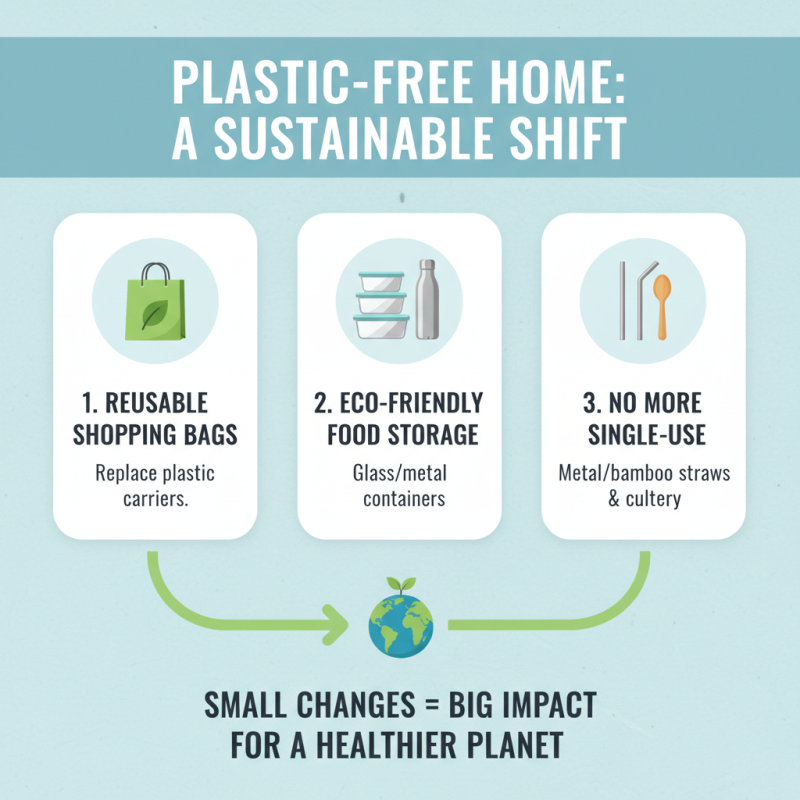
Reducing plastic waste at home requires a proactive approach and a mindset shift toward sustainability. One effective strategy is to eliminate single-use plastics from daily routines. Begin by opting for reusable alternatives, such as cloth bags for shopping, glass or stainless steel containers for food storage, and metal or bamboo straws. By making these small changes, households can significantly decrease the amount of plastic waste they generate, ultimately contributing to a healthier environment.

Another crucial step is to prioritize bulk purchasing and minimal packaging when shopping. Many grocery stores now offer bulk options where products can be bought without plastic wrapping. This not only minimizes plastic usage but also often reduces overall costs. Additionally, consider making homemade cleaning and personal care products using natural ingredients, which can help reduce reliance on plastic-packaged items. By embracing these practices, families can foster a more sustainable lifestyle while inspiring others in their community to follow suit.

Innovative Alternatives to Single-Use Plastics in Daily Life

Single-use plastics have dramatically contributed to global plastic waste, with an estimated 300 million tons of plastic produced annually, according to the United Nations Environment Programme. A staggering portion of this, approximately 50%, is single-use items, which are used for mere minutes but can persist in the environment for centuries. Innovative alternatives are emerging as essential solutions to mitigate the environmental impact associated with disposable plastics.

Biodegradable materials, such as those made from cornstarch or other plant-based resources, are gaining traction as effective substitutes for traditional plastics. Research indicates that these alternatives can decompose within months instead of years, significantly reducing their long-term environmental footprint. Moreover, reusable products, like stainless steel water bottles and beeswax food wraps, provide a sustainable option that not only diminishes the need for single-use plastics but also encourages a shift in consumer behavior towards sustainability. According to a report by the Ellen MacArthur Foundation, if we adopt reusable packaging systems on a larger scale, we could reduce the overall demand for plastic by up to 80% by 2040, paving the way for a cleaner, healthier planet.

Additionally, implementing zero-waste initiatives, such as bulk buying and utilizing refillable containers, empowers consumers to make conscious choices that directly reduce their reliance on single-use plastics. As awareness increases, businesses and individuals alike are recognizing the importance of transitioning to more sustainable practices, ultimately aiming for a significant decrease in plastic waste and its detrimental environmental impacts.

Community Initiatives and Policy Changes to Combat Plastic Waste

Tips to Reduce Plastic in Plastic Waste and Its Environmental Impact

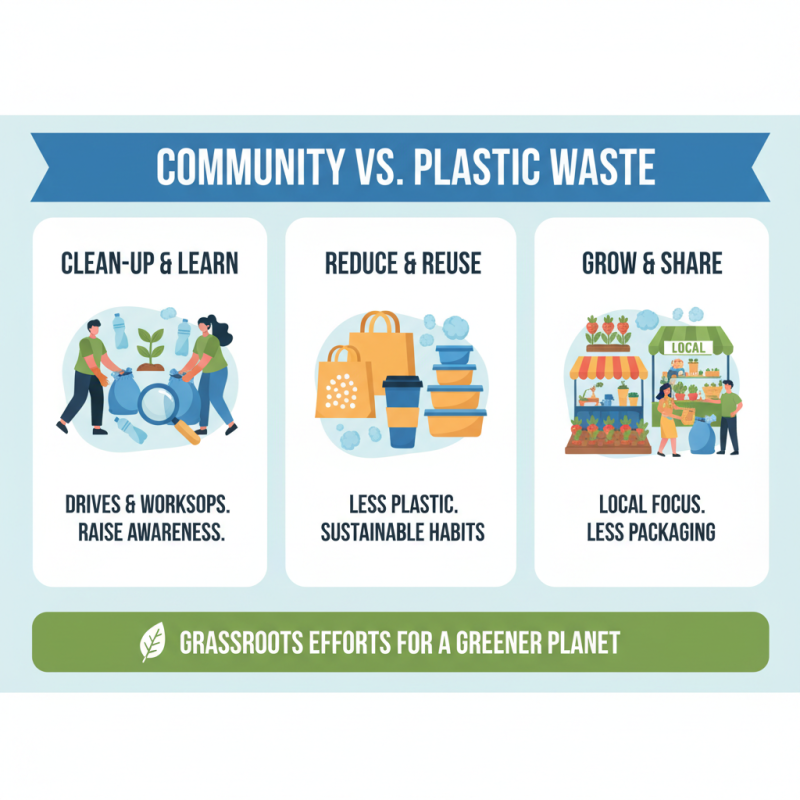
Community initiatives play a vital role in combating plastic waste and fostering environmental responsibility among citizens. Local organizations often launch clean-up drives, workshops, and educational programs aimed at raising awareness about the detrimental effects of plastic pollution on ecosystems. By engaging community members in hands-on activities, these initiatives encourage people to reduce their plastic usage and adopt more sustainable practices, such as using reusable bags and containers. Furthermore, establishing community gardens and promoting local markets can reduce reliance on plastic packaging, highlighting the importance of grassroots efforts in the fight against plastic waste.

Policy changes at the local, national, and global levels are equally crucial in addressing the plastic crisis. Many governments are beginning to implement regulations that limit single-use plastics, promote recycling, and encourage the development of biodegradable alternatives. These policies not only hold manufacturers accountable for the lifecycle of their products but also incentivize businesses to innovate and invest in sustainable materials. Public awareness campaigns accompanying these legislative changes can reinforce the message of reducing plastic consumption, encouraging a collective shift towards a more environmentally friendly society. Through a combination of community participation and strategic policy frameworks, significant progress can be made in reducing plastic waste and its harmful environmental impacts.

Register now