


Blog

7 Tips for Choosing a Waste Bale Press Machine

A waste bale press can turn loose cardboard, plastic film, or other suitable recyclables into compact, easier-to-handle bales. The right machine depends on what your site actually processes. A small warehouse producing a few cardboard loads each day has different needs from a busy distribution center. Bale weight alone does not tell the whole story.

This guide offers seven practical tips for choosing a Waste Bale Press Mac for your operation. It looks at material type, daily volume, available floor space, power supply, loading method, safety features, and after-sales support. These details affect workflow. A machine that fits neatly beside a loading bay may still be awkward if staff must carry material across the building. Ask suppliers for specifications, operating instructions, and service requirements, then compare them with your site’s real conditions. If possible, inspect a working unit and check how easily operators load it, remove bales, and clean around it. Small details matter.

Treat production estimates as estimates, not promises. Actual output can vary with material, operator habits, and loading consistency. There may be no perfect choice. A useful decision starts with clear measurements and honest questions about daily use. The following tips can help you compare options carefully and avoid paying for capacity your team may never need.
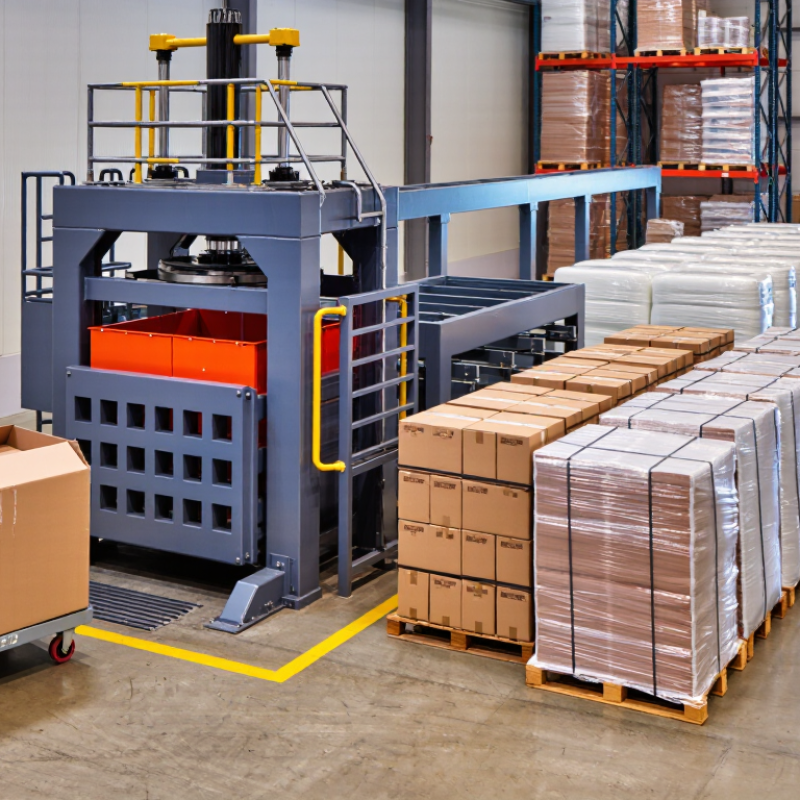
7 Tips for Choosing a Waste Bale Press Machine

Identify the Waste Materials and Required Bale Density

Choosing a waste bale press starts with identifying the material, not guessing from its appearance. Flattened cardboard behaves differently from stretch film, PET bottles, or mixed paper. Note the material’s typical volume, weight, moisture, and contamination before comparing machines. A handful of damp cardboard can change how a full load feeds and holds together. Keep a simple sample log for several working days; one unusually clean load may give a misleading picture.

Density matters. Measure a test bale’s weight and dimensions, then divide weight by bale volume to estimate density. Check whether it stays intact during handling and fits your storage or transport limits. A tight bale is not always a better bale. Excessive compaction can strain equipment or make material difficult to handle, while loose bales waste space. Ask for the press’s rated bale size and pressure, and confirm they suit your actual material. If the waste stream varies, test representative samples rather than relying on a single ideal load. That detail is easy to overlook. Recheck the result after seasonal changes or new packaging enters the waste stream; the first estimate may need revision.

Estimate Throughput, Cycle Time, and Daily Operating Needs

7 Tips for Choosing a Waste Bale Press Machine

Tip 1: Measure your real daily volume, not just your busiest hour. Weigh or estimate the material handled across several typical shifts. Peak days matter. Tip 2: Check the machine’s cycle time, including loading, compression, tying, and bale removal. A fast press can still create a bottleneck if workers wait to clear finished bales. Tip 3: Compare rated throughput with your actual material. Cardboard, film, and mixed recyclables compress differently, especially when moisture and bale density vary.

Tip 4: Calculate operating hours and breaks. If the press runs only during one shift, a high hourly rating may be unnecessary. Tip 5: Allow for interruptions, such as clearing jams or changing wire. Not on paper. Real shifts are rarely perfect, so leave some capacity in reserve. Tip 6: Observe how material reaches the feed opening. Long walks, small carts, or uneven loading can reduce output more than the press cycle itself. Tip 7: Ask for performance figures using material similar to yours, and confirm bale size and weight requirements. Record one week of volumes before choosing; estimates can be wrong. A simple log helps reveal whether your main need is faster cycling, easier feeding, or more daily capacity.

Choose the Right Press Type, Feed System, and Bale Size

Choose the press type to match your waste stream. A vertical press may suit a small shop with modest, varied loads; a horizontal press can handle higher, steadier volumes. Check what enters the chamber: loose cardboard behaves differently from stretch film or mixed packaging.

Measure daily volume, then allow for busy shifts. Peaks matter.

Match the feed system to your floor plan and staffing. Hand loading can work for low throughput, while a conveyor or hopper may reduce repetitive handling at higher volumes. Confirm that the opening accepts your largest items without awkward cutting or frequent jams.

Ask about guarding and safe access during clearing. Small details count.

Set bale size around storage space, collection vehicles, and who will handle each bale. A compact bale saves floor space, but it may take longer to produce. Verify bale weight against your lifting equipment and pickup arrangements; do not rely on dimensions alone.

Leave room for the machine, bale removal, and maintenance access. Measure twice.

Finally, request a trial using your own material if possible. A tidy specification sheet can mislead, and real waste is rarely consistent. An imperfect trial is still useful: note feed interruptions, bale density, and how easily operators can remove finished bales.

Compare Safety, Energy Efficiency, Maintenance, and Controls

A waste bale press should fit the way people actually work around it. Check that guards cover moving parts and that interlocks stop the cycle when an access door opens. The emergency stop should be easy to reach from the loading area. Watch a full cycle, including bale ejection; a safe press can still create awkward pinch points during clearing. Small details matter.

Compare energy use under a realistic workload, not just the motor’s rated power. Ask for typical energy consumption per ton and note whether the pump keeps running during idle periods. A machine that processes mixed cardboard and plastic may behave differently from one handling a steady material stream. Record a few operating cycles if possible. The numbers may surprise you.

Maintenance access affects uptime. Look for reachable filters, clearly routed hoses, and wear parts that can be inspected without dismantling guards. Ask how often routine checks are expected, and whether instructions identify common warning signs. Controls should show cycle status and clear fault messages, with settings operators can understand. A basic control panel may be enough; complex menus are not automatically better. Still, too few diagnostics can leave staff guessing when pressure drops or a cycle stalls. Compare the controls with the skills available on each shift, then test them with an operator who did not help select the machine.

Evaluate Installation, Supplier Support, and Lifetime Cost

Tip 1: Check installation conditions before comparing machine prices. Measure doorway width, ceiling clearance, floor capacity, and the route for moving the press. A machine that fits on a drawing may not pass a tight turn. Ask for anchoring, electrical, ventilation, and commissioning requirements in writing. Leave room for service access. Small detail, big delay.

Tip 2: Evaluate supplier support by its process, not its promises. Ask who handles startup, operator training, spare parts, and fault diagnosis. Confirm typical response times and whether support is remote or onsite. Request a maintenance schedule and parts list. A helpful supplier explains limitations, too. Vague answers deserve a second look.

Tip 3: Compare lifetime cost across your expected operating years. Include purchase, freight, installation, power use, routine service, wear parts, and downtime. Estimate cost per bale using your actual material and daily volume. Ask about a trial if possible. No estimate is perfect. Still, use consistent assumptions across quotes. A low upfront price can become expensive.

7 Tips for Choosing a Waste Bale Press Machine — Evaluate Installation, Supplier Support, and Lifetime Cost
Tip Evaluation Area What to Check Questions and Evidence to Request Why It Matters
1 Match the press to your materials Confirm the machine is suitable for the actual waste stream, such as cardboard, paper, plastic film, or suitable rigid plastics. Check material preparation needs and restrictions. Provide representative samples or a detailed material description. Ask for a trial bale and confirm any limits on moisture, contamination, or material size. Different materials compress and bind differently. A press selected for the wrong feedstock may produce unstable bales or require extra sorting and handling.
2 Size capacity for real operating conditions Compare the expected material volume and operating hours with the rated throughput, chamber size, bale dimensions, and loading method. Ask how rated throughput was measured and what assumptions it uses. Check whether the quoted capacity reflects your material, operator routine, and planned shifts. Rated output is not necessarily the output achieved in a particular facility. Realistic sizing helps prevent queues, underused equipment, and production bottlenecks.
3 Verify installation requirements Check the machine footprint, access route, floor loading, anchoring, power supply, clearances, and any required guarding or ventilation. Request an installation drawing and a written site-preparation checklist. Confirm who is responsible for unloading, lifting, electrical connection, commissioning, and permits. Early site checks can identify access, structural, and utility issues before delivery, reducing the risk of installation delays or additional site work.
4 Assess safety and operator usability Review guarding, emergency stops, interlocks, safe loading and bale-ejection procedures, maintenance access, and the operator controls. Request the operating and safety instructions. Confirm what training is included and whether the equipment can be integrated with your site’s safety procedures. Safe, clear operating procedures support consistent use and help employers meet applicable workplace safety obligations.
5 Evaluate supplier support Check the availability of installation assistance, operator training, troubleshooting, service visits, and replacement parts for the expected service life. Ask for written warranty terms, service response arrangements, parts availability information, and a clear list of what is and is not covered. Support availability affects downtime and repair planning. Written terms make it easier to compare offers on an equivalent basis.
6 Compare lifetime cost, not just purchase price Include the purchase or lease price, freight, installation, utilities, consumables, planned maintenance, repairs, training, and eventual removal or disposal. Request an itemized quotation and identify assumptions, exclusions, service intervals, and consumables. Compare costs over the same ownership period and operating schedule. A lower initial price may not represent the lowest total cost. A consistent cost comparison reveals expenses that can otherwise be overlooked.
7 Plan for bale handling and future changes Check bale weight and dimensions against available storage space, transport equipment, collection arrangements, and downstream recycling requirements. Confirm the finished bale specifications with your waste collector or recycler. Consider whether future changes in waste volume or material mix could require different equipment. A press is useful only if finished bales can be safely moved, stored, collected, and accepted by the next handler.
Register now