



Blog

Top 5 Tips for Choosing Steel Grating for Your Projects?

Choosing the right Steel Grating for your projects can be challenging. Steel grating plays a vital role in many construction applications. Its strength and durability make it a popular choice for various settings, from walkways to industrial platforms.

Understanding the different types of steel grating is essential. There are numerous options available, each with unique advantages. Heavy-duty applications might demand thicker grating sections, while lighter projects could benefit from less robust options. The wrong choice can lead to increased costs and safety issues.

Factors like load capacity, surface type, and spacing should be considered. It's not just about aesthetics; functionality is key. Evaluating your project's requirements is crucial! Remember, making an informed decision will ensure longevity and safety in your work.
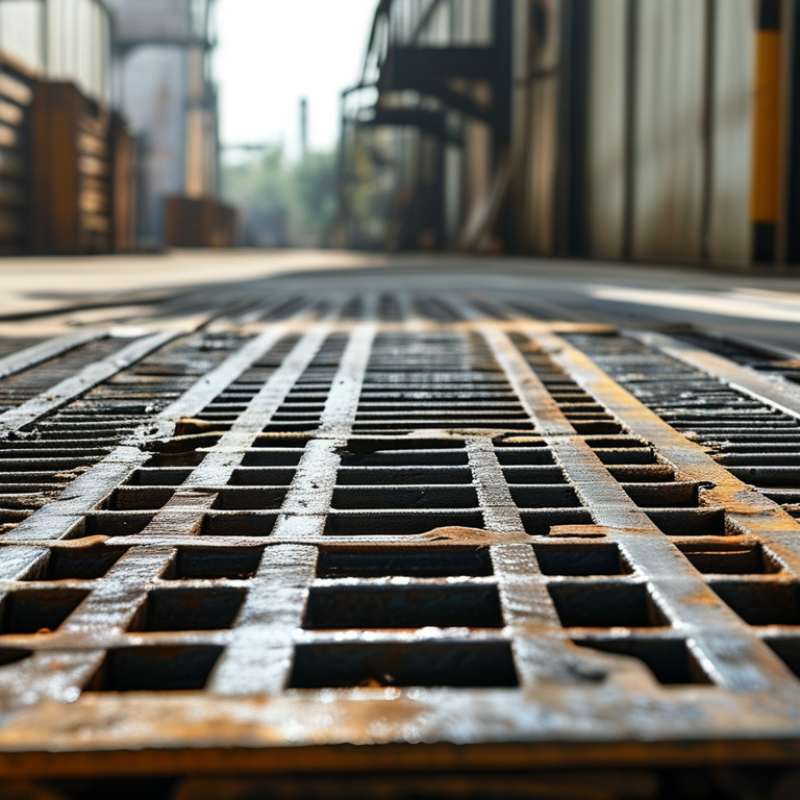
Top 5 Tips for Choosing Steel Grating for Your Projects?

Understanding the Different Types of Steel Grating Available

When selecting steel grating, understanding the different types available is crucial for your project. Steel grating comes in various styles, including welded, riveted, and swage-locked. Each type serves different purposes and environments. For instance, welded grating offers strength and resistance to deformation, making it ideal for heavy loads. According to a 2022 industry report, welded grating accounts for over 45% of the steel grating market due to its durability and cost-effectiveness.

Another important type is self-draining grating. This design helps prevent water accumulation, which can be critical in outdoor settings. Research indicates that self-draining grating has seen a rise in popularity, especially in areas prone to heavy rainfall. Approximately 30% of structural engineers prefer this type for its safety benefits. However, it also requires careful installation to ensure proper drainage.

Consideration of material finishes is equally vital. Hot-dip galvanized finishes provide excellent corrosion resistance, while polished options offer aesthetic appeal. Each finish has specific applications, as noted in reports from leading construction authorities. It's also crucial to reflect on how your choice impacts the overall budget and maintenance needs of the project. An informed selection process can significantly enhance project outcomes.

Evaluating Load-Bearing Requirements for Your Specific Application

When selecting steel grating, understanding load-bearing requirements is crucial. Different projects have unique demands based on their intended use. For instance, an industrial application may require higher load capacities than a pedestrian walkway. Evaluating the maximum load the grating will face helps you make informed decisions.

Consider factors like the frequency of foot or vehicle traffic. Will the grating be exposed to heavy machinery? Each situation brings specific challenges. Assessing the spacing between the bearing bars is essential. Wider spaces can lead to a higher deflection rate. This means potential safety issues arise under continuous loads.

Consulting with structural engineers can provide insights. They can help identify the right specifications for your project. Documenting load cycles and environmental conditions can help you refine your choices. Rely on calculations and simulations to predict performance under load. This critical analysis can save time and resources in the long run. Aim for a balance between strength and weight. Adjusting your design approach can lead to optimal outcomes.

Load-Bearing Capacity of Steel Grating Types

Considering Environmental Factors and Corrosion Resistance

When selecting steel grating for your projects, it's essential to consider environmental factors and corrosion resistance. According to industry reports, nearly 25% of metal structures suffer from corrosion, highlighting the importance of selecting the right materials. Understanding the environment's demands will help ensure longevity.

One crucial tip is to evaluate the environment where the grating will be installed. For coastal areas, exposure to saltwater accelerates corrosion. In such cases, consider grating made from galvanized or stainless steel. These materials can withstand harsher conditions. Another critical aspect is to determine the potential for chemical exposure. Choosing grating that resists specific chemicals is vital to prevent degradation.

Corrosion resistance should not be the only focus. It's essential to think about maintenance accessibility. Regular inspections and upkeep are necessary, especially in industrial settings. Implementing a regular maintenance schedule can significantly extend the lifespan of the grating, even in challenging environments. Always keep an eye on the condition of your grating to prevent unexpected failures.

Assessing Installation and Maintenance Needs for Steel Grating

When selecting steel grating for your projects, assessment of installation and maintenance needs is crucial. Understand the project environment before making your choice. Will it be exposed to harsh weather or heavy traffic? These factors directly affect durability and maintenance.

Installation requires careful planning. Clearly define the layout and dimensions before you order materials. It’s helpful to have skilled personnel for installation. An improper setup can lead to safety risks and added maintenance costs. Consider how accessible the area is for repairs. If maintenance can't be easily performed, it can turn into a significant issue over time.

Finally, think about the long-term upkeep of the grating. Regular inspections are essential. Will it need frequent cleaning? Are there specific cleaning substances to avoid? The right design should minimize maintenance without sacrificing safety or functionality. Collect feedback from your team on the accessibility and design before finalizing your decision. These reflections ensure better performance and satisfaction in the long run.

Budgeting for the Life Cycle Costs of Steel Grating Options

When budgeting for steel grating, consider life cycle costs. These include initial purchase, installation, maintenance, and replacement. According to industry reports, approximately 30% of the total cost comes from maintenance over time. Choosing the right type of steel grating can significantly impact these expenses.

For instance, hot-dip galvanized grating offers longevity. However, its upfront cost can be higher. In contrast, painted grating is cheaper initially but may require more frequent maintenance. The choice between these options should align with project needs and budget constraints. Engaging with professionals can provide insights on which materials offer the best long-term value.

Life cycle cost analysis is essential. A study shows that investing in durable materials can reduce overall costs by up to 20% over a project's lifetime. Identifying the right balance between upfront costs and long-term savings is crucial. Ultimately, understanding these aspects leads to more informed decisions and sustainable practices in project planning.

Register now