


Blog

Essential Tips for Working with PP Plastic in Your Projects?

PP plastic, a widely used material, has unique benefits for various projects. Known for its durability and flexibility, its properties can enhance your work. However, working with PP plastic can present challenges that require attention.

When cutting or shaping PP plastic, precision is crucial. The right tools make a difference. You might face issues like warping or chipping if you rush the process. Understanding how heat affects PP plastic is also essential. High temperatures can cause deformation, so always check your equipment settings.

Another aspect to consider is the adhesive compatibility. Not all adhesives bond well with PP plastic. Experimentation may be necessary to find the best fit. Reflecting on past projects can provide insight into what works. Pay attention to these details, and your projects with PP plastic can be more successful.
Essential Tips for Working with PP Plastic in Your Projects?

Understanding the Properties of PP Plastic for Projects

PP plastic, or polypropylene, is a widely used material in various projects due to its excellent properties. It’s lightweight, durable, and resistant to chemicals. This makes it suitable for everything from packaging to automotive parts. However, it can be tricky to work with if you are not familiar with its characteristics.

One important aspect is the temperature resistance of PP plastic. It can withstand moderate heat, but extreme temperatures can cause warping. When designing items, keep this in mind. Pay attention to joints and connections, as they can weaken under stress. When using PP plastic, consider how it reacts when exposed to UV rays. Over time, sunlight may cause it to become brittle.

Another point to consider is its recyclability. PP plastic is often recyclable, but not always effectively. You may want to research local facilities before disposal. While the material offers many advantages, it has limitations too. Reflection on these nuances helps create better projects using PP plastic.

Essential Tips for Working with PP Plastic in Your Projects

Property Description Applications
Lightweight PP plastic is significantly lighter than other materials like PVC. Packaging, containers, automotive parts
Chemical Resistance Resistant to many acids, bases, and solvents. Laboratory equipment, storage containers
Durability Excellent impact resistance and toughness. Household goods, industrial applications
Temperature Resistance Can withstand high temperatures (up to 100°C). Kitchenware, automotive components
Recyclability PP is recyclable and can be reused in production. Sustainable product designs

Essential Tools and Equipment for Working with PP Plastic

Working with PP plastic requires specific tools and equipment to ensure optimal results. A heat gun is vital for molding and shaping PP material. It allows precise temperature control, which is essential as PP has a melting point of around 160°C. Without accurate heat application, projects can suffer from warping or incomplete molds.

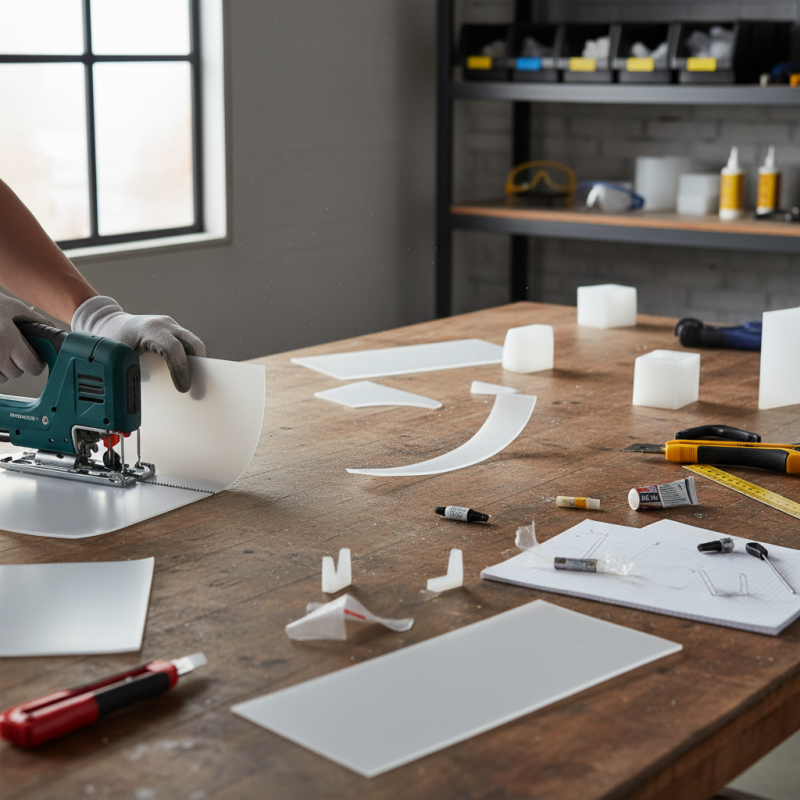
A reliable cutting tool is another necessity. Cutting PP plastic sheets can be tricky. A standard utility knife might not suffice. A rotary cutter or specialized plastic shear will provide cleaner cuts, reducing imperfections. Research shows improper cutting leads to stress points, which can compromise structural integrity.

Additionally, adhesive choices are crucial. Using the wrong adhesive can result in weak bonds. Many professionals recommend solvent-based adhesives or specialty PP adhesives for stronger connections. However, users should remember that even these adhesives have limitations. Inconsistent application can lead to failure under stress, a lesson often learned the hard way. Balancing precision and efficiency remains a constant challenge. The right tools must support, not hinder, the creative process.

Techniques for Cutting and Shaping PP Plastic Effectively

When working with PP plastic, cutting and shaping can be tricky. This material is versatile but requires attention. A sharp utility knife is ideal for straight cuts. Begin by scoring the surface with several passes. This technique ensures a cleaner edge. Using a straightedge can help maintain accuracy. Measure twice, cut once—always an essential rule in any project.

For more complex shapes, consider using a heat gun. Carefully heat the PP plastic until it becomes pliable. Once it's flexible, you can bend it to your desired shape. Be cautious; overheating can lead to melting. Also, this technique can be frustrating if done incorrectly. A test piece is a good idea. Learning from mistakes is part of the process.

Drilling holes in PP plastic requires a specific approach. Use a drill bit designed for plastics. Slow and steady pressure works best. Avoid using too much force; it can crack the material. Experimentation is important, as it often leads to better methods. Each project teaches something valuable—embracing imperfections is key.

Best Practices for Joining and Bonding PP Plastic Components

Essential Tips for Working with PP Plastic in Your Projects?

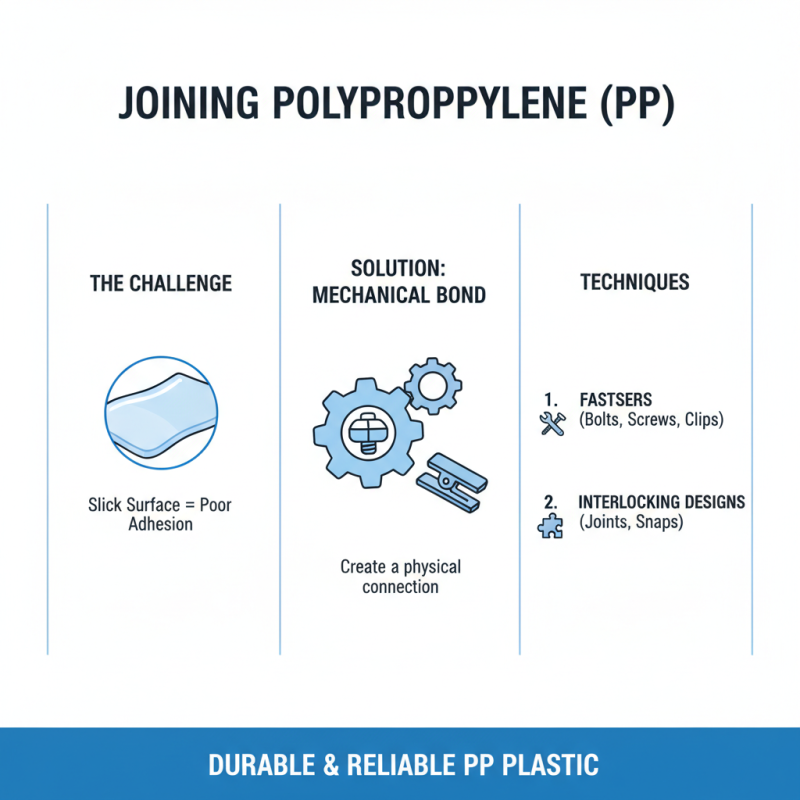
When working with polypropylene (PP) plastic, effective joining and bonding techniques are crucial for project success. PP is lightweight yet durable, making it popular. However, its slick surface can pose challenges for adhesion. Creating a mechanical bond is one solution. Using fasteners like bolts or clips can provide a reliable connection.

Applying adhesives requires careful consideration. Some adhesives do not bond well with PP. Testing different adhesives on scrap pieces is essential. Use a primer designed specifically for plastics to improve adhesion. Surface preparation matters. Clean the PP surface thoroughly with isopropyl alcohol. Scuffing the surface lightly can also help.

Welding is another viable option. This method uses heat to fuse two pieces of PP together. It's effective but requires practice to master. Overheating can melt the plastic or create weak spots. Each joining method has its pros and cons. Experimentation and patience are vital. Be open to adjusting your approach based on results.

Safety Considerations When Working with PP Plastic

When working with PP plastic, safety should be a priority. Always wear gloves and goggles. PP can produce fine dust during cutting. Inhale too much dust, and it can irritate your lungs. It's better to work in a well-ventilated area, as proper airflow can reduce this risk. The heat generated while using tools on PP can also pose hazards. Overheating can release harmful fumes, which you should avoid inhaling.

Be cautious while handling sharp tools. Cutters and saws can slip, causing accidents. Use clamps to secure materials. This keeps your hands away from sharp edges. Moreover, think about your workspace layout. A cluttered space increases the chance of tripping or knocking things over. Always keep first aid supplies within reach. Accidents can happen, and having supplies nearby ensures you’re prepared. Reflecting on past projects, some overlooked these basic safety measures. Learn from those instances to enhance your safety practices.

Register now