


Blog
What Are the Top 10 Types of Carry Out Boxes?
A meal’s journey does not end at the kitchen pass. It continues in a customer’s hands, on a car seat, or across a short walk in the rain. The right Carry Out Box helps protect food, control spills, and keep the order appealing. Small details matter. A loose lid can flatten a sandwich, while a shallow base may let sauce creep into the bag. No single container suits every dish.
This guide explores ten common types, from paperboard cartons and molded-fiber clamshells to compartment trays, foil containers, and insulated options. Each format has practical strengths and trade-offs. A vented box may help fried food stay crisp, but it will not keep every item hot for long. A divided tray can separate rice from vegetables, though it may take more storage space. Fit matters. So does the food.
The comparisons consider material, closure, leak resistance, heat management, stacking, and ease of carrying. They also note that recycling options vary by material, coatings, and local facilities. Check supplier specifications for intended food use and temperature limits rather than relying on appearance alone. A box can look perfect in a catalog and still feel awkward when packed quickly during a busy shift. That deserves a second look. The best choice balances the dish, the customer’s trip, and the operation’s daily needs—without pretending one package can do everything.
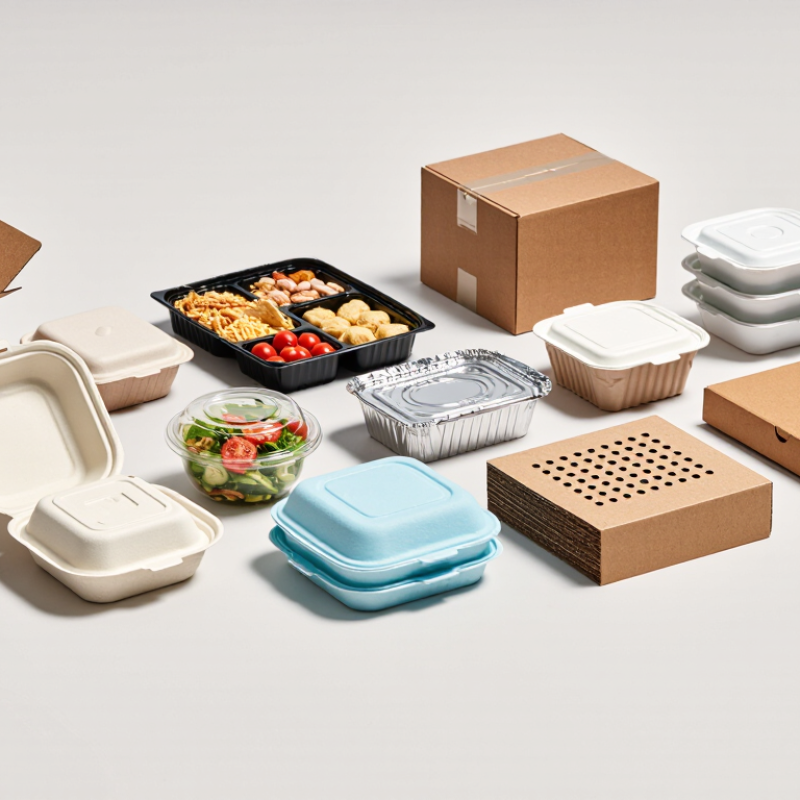
What Carry-Out Boxes Are and What They Are Designed to Do
What Are Carry-Out Boxes Designed to Do?
Carry-out boxes are containers made to hold prepared food during pickup and travel. They help keep meals together, limit leaks, and protect food from dust or contact with other items. Designs vary: a hinged plastic container suits saucy noodles, while a paperboard box may work better for a sandwich or pastry. Some have vents that release steam, helping crisp foods stay less soggy. No box preserves every texture, though. A hot meal can still soften fries or fog a clear lid.
The right container balances food type, portion size, and travel time. A snug fit can reduce shifting in a car, while a secure closure helps prevent spills. Compartments keep rice and vegetables apart, but they may not suit every dish. Materials also matter: sturdy paperboard can be convenient for dry foods, while leak-resistant containers are useful for soups or dressings. Packaging should be food-safe and appropriate for the meal’s temperature. These details are easy to miss when choosing by appearance alone.
Tips: Match the box to the messiest item, not just the largest one. Keep sauces in a sealed cup when possible. Leave enough room to close the lid without pressing toppings. Check that corners and hinges feel firm. For very hot food, follow the container’s temperature guidance; not every box is designed for reheating. A small gap or loose lid can make a short trip surprisingly messy.
How Carry-Out Boxes Differ by Material, Shape, and Closure
Carry-out boxes differ in three practical ways: material, shape, and closure. Paperboard cartons feel light and stack neatly; corrugated boxes add stiffness for heavier meals. Molded-fiber and bagasse clamshells have textured surfaces, while plastic options such as polypropylene or PET often use clear lids. Aluminum pans suit hot dishes, and soup tubs contain liquids better than flat trays. Small detail. Big consequence.
Shape affects more than appearance. A rectangular box packs efficiently in delivery bags, while a bowl gives noodles room to move. Compartment trays keep sauces away from crisp foods, though dividers can reduce usable space. EPA’s 2018 Facts and Figures report estimated that containers and packaging made up 28.1% of U.S. municipal solid waste by weight. That broad category is not specific to takeout boxes, but it shows why material and disposal choices deserve attention.
Closures matter during the trip. Hinged clamshells close quickly, tuck-flap cartons stack flat before use, and separate lids can fit bowls of different sizes. For saucy meals, a snug rim helps reduce leaks; for fried food, a vent can limit trapped steam. No box wins every shift. A tighter seal may trap condensation, and a sturdy box may take more storage space. Test the actual meal, portion, and delivery route before choosing.
The 10 Main Types of Carry-Out Boxes
Carry-out boxes come in different shapes because meals travel differently. A paperboard folding carton suits sandwiches, pastries, and dry sides; its flat panels store easily. Kraft paper boxes offer a simple, sturdy option for noodles or snacks. A classic takeout pail has a folded wire handle and works well for saucy portions, though steam can soften it.
Hinged clamshells close with a snap and keep burgers or salads contained. Compartment boxes separate foods, so dressing stays away from greens. Corrugated boxes add cushioning for pizza or stacked meals. They are bulkier, but sturdier. Molded-fiber boxes, often made from plant fibers, can hold warm foods and feel less slick than plastic. Performance varies with grease and moisture.
Plastic deli containers have clear lids, making contents easy to identify; they suit cold salads and soups when properly sealed. Aluminum trays handle hot, oven-ready portions, but need a secure lid for transport. Bakery boxes, usually broad and shallow, protect cakes and pastries from being crushed. The right choice depends on heat, moisture, stacking, and travel time. I have seen a “sturdy” box sag after a long, steamy ride. A small test with the actual meal is worth doing.
How to Choose a Box for Different Foods and Service Needs
Choosing a carry-out box starts with the food, not the shelf. A shallow paperboard tray works for fries or sandwiches, but sauces can soften it. For soup, choose a leak-resistant container with a secure lid. Hinged clamshells keep burgers together; divided trays help separate crisp sides from moist foods. Convenience matters. So does arriving intact.
A 2024 National Restaurant Association industry report found that about seven in ten adults consider takeout or delivery essential to their lifestyle.
That demand makes fit and handling important. Hot, greasy meals often need sturdy, grease-resistant packaging; cold salads benefit from rigid containers that resist crushing. The FDA Food Code sets hot holding at 135°F or above and cold holding at 41°F or below. A box cannot replace temperature control, especially during longer trips. Test packaging with real portions: tilt a soup container, stack two entrées, and check whether steam turns fried food limp. That last test is easy to forget.
No single box suits every menu.
How to Assess Reuse, Recycling, and Disposal Options
Carry-out boxes are not automatically recyclable. Material, coatings, food residue, and local collection rules all matter. Check the box’s material label, then confirm what your local program accepts. The U.S. EPA’s 2018 Advancing Sustainable Materials Management report estimated recycling rates of 79.2% for paper and paperboard containers and packaging, compared with 13.1% for plastic containers and packaging. These national averages do not guarantee that a greasy takeout box can go in your curbside bin.
For reuse, consider whether a container survives repeated washing, keeps its lid secure, and can be cleaned properly. A thin, warped lid may not earn another trip. Recycling works best when clean paperboard is separated from food scraps and plastic-lined pieces, subject to local guidance. Compostable fiber helps only where an accepted composting service exists. Labels matter. The OECD’s Global Plastics Outlook reported that just 9% of global plastic waste was recycled in 2019, a reminder that recyclable design alone is not enough. If no local reuse, recycling, or composting route accepts a box, empty it before disposal. I still find the answer less tidy than packaging labels suggest.