


Blog
2026 Top Biodegradable Plastic Packaging Solutions for Businesses?
The demand for biodegradable plastic packaging has surged in recent years. According to a report by MarketsandMarkets, the biodegradable plastics market is projected to reach $6.45 billion by 2023. This growth reflects a strong shift toward sustainability within the packaging industry. Many businesses are now focused on reducing their environmental impact through innovative material choices.
Biodegradable plastic packaging offers a promising alternative to traditional plastics. These materials can break down naturally over time, significantly reducing pollution. However, the market still faces challenges. Not all biodegradable options decompose effectively in standard landfills. As a result, companies must carefully evaluate their choices.
Moreover, consumer awareness is rising. A recent survey noted that 73% of consumers prefer brands that demonstrate sustainable practices. This trend signifies that adopting biodegradable plastic packaging can enhance a company’s reputation. Yet, businesses may struggle with the higher costs associated with these materials. The balance between sustainability and affordability remains a critical consideration for today’s enterprises.
Overview of Biodegradable Plastics in Packaging
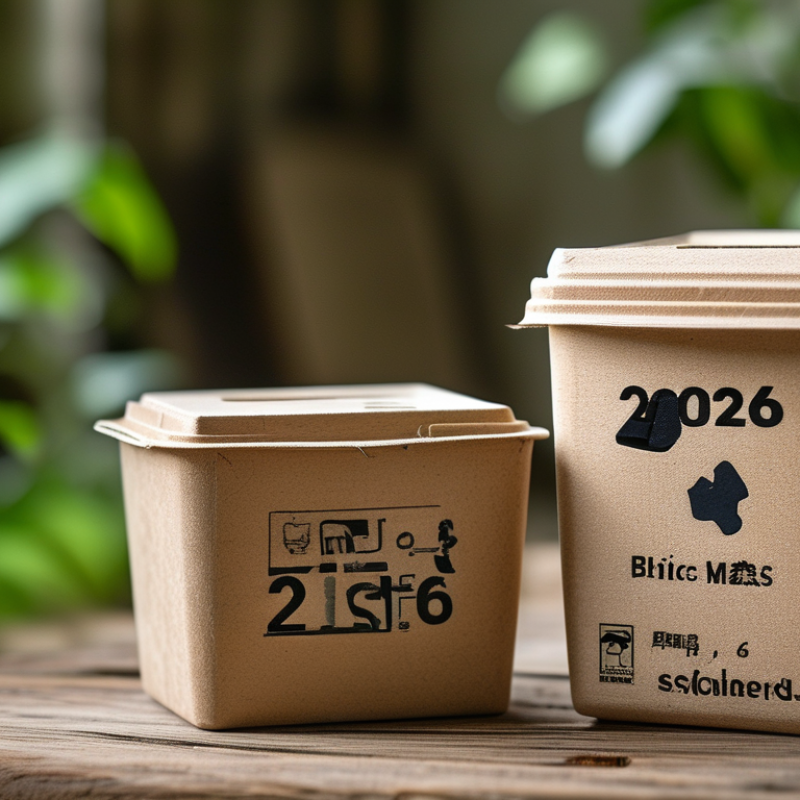
Biodegradable plastics are emerging as a sustainable alternative in the packaging industry. These materials can break down into natural substances, reducing waste. Typically made from renewable sources, they provide a viable option for companies aiming to minimize their ecological footprint. Some biodegradable plastics decompose in a matter of months, making them an attractive choice for environmentally conscious businesses.
However, challenges remain in the adoption of biodegradable packaging. Not all biodegradable plastics degrade easily under normal conditions, often requiring industrial composting facilities. This limitation can lead to confusion for consumers. Many still lack awareness of biodegradable options and their proper disposal methods. Moreover, the production of some biodegradable plastics may involve significant energy resources.
Education is vital in driving acceptance and usage of biodegradable packaging. Companies should invest in informing their customers about proper disposal and the benefits of these materials. This knowledge helps create a demand for true sustainability. There is much work to be done to ensure businesses can confidently integrate biodegradable options into their packaging systems. Balancing environmental benefits and practical performance will require ongoing innovation and collaboration.
Types of Biodegradable Plastic Materials Available for Packaging
Biodegradable plastics are gaining traction in the packaging industry. Several types of biodegradable materials are available. These options are essential for businesses looking to innovate sustainably. They offer different properties suited for various packaging needs.
Starch-based plastics are a common choice. Made from renewable resources, they break down easily in composting environments. They are often used in food packaging. However, they can lack durability and moisture resistance, which limits their applications. PLA, or polylactic acid, is another popular material. Sourced from cornstarch, it is sturdy and good for packaging. Yet, it needs specific conditions to decompose effectively.
Polyhydroxyalkanoates (PHAs) are a newer alternative. They originate from bacteria and have excellent biodegradability. PHAs show promise in reducing plastic waste. Yet, they tend to be more expensive to produce. Each of these materials presents unique benefits and challenges. Businesses must weigh these factors carefully when selecting biodegradable packaging solutions.
Benefits of Using Biodegradable Packaging for Businesses
The shift towards biodegradable packaging offers numerous advantages for businesses. Environmental sustainability has become a priority. Research by the Biodegradable Products Institute shows that such packaging can reduce landfill waste by about 30%. This significant reduction can enhance a company's eco-friendly image. Consumers increasingly favor brands that demonstrate environmental responsibility. According to a recent survey, 72% of consumers are willing to pay more for sustainable products. This trend indicates that adopting biodegradable packaging could increase customer loyalty and drive sales.
Cost might be a concern for some businesses. Biodegradable materials can be more expensive than traditional plastics. However, the long-term benefits often outweigh these initial costs. A report from the Ellen MacArthur Foundation emphasizes that circular economy practices can lead to lower operational costs over time. Adopting biodegradable solutions can also align a business with upcoming regulations. Many regions are enforcing stricter packaging laws, making biodegradable options not just a choice, but a necessity.
However, not all biodegradable materials perform the same way. Some require specific conditions to break down, which means proper consumer education is essential. Misleading claims in the market can create confusion. Businesses should ensure they understand the materials they choose and transparently communicate this to their customers. Transparency builds trust and aligns brands with informed consumer expectations.
Challenges and Limitations of Biodegradable Plastic Solutions
Biodegradable plastics offer a promising alternative to traditional plastic packaging. They aim to reduce environmental impact. However, businesses face several challenges when adopting these solutions. One major issue is the lack of proper infrastructure for composting and recycling. In many regions, facilities are not equipped to process biodegradable materials. This leads to confusion and improper disposal, negating the benefits of these products.
Another challenge is the performance of biodegradable plastics. While they break down over time, their durability is often less than that of conventional plastics. This can affect shelf life and product protection. Additionally, consumers may not fully understand how to dispose of these materials properly. Misunderstanding can lead to increased waste in landfills, limiting their effectiveness.
Cost is also a significant factor for companies. Biodegradable plastics can be more expensive to produce than regular plastics. This premium often discourages companies from making the shift. Even with a growing demand for sustainable options, the price might not align with budget constraints. These limitations highlight the need for ongoing innovation and education in the industry.
Future Trends in Biodegradable Packaging Technologies
The future of biodegradable packaging technologies looks promising as businesses strive for sustainability. According to a recent market research report, the biodegradable packaging sector is expected to reach a valuation of $25 billion by 2026. This growth is fueled by rising consumer awareness about environmental issues and stricter regulations against single-use plastics. Biodegradable plastics, made from renewable biomass sources, present a viable alternative to traditional materials.
Innovations in material science drive these trends. Companies are now developing bioplastics utilizing ingredients like plant starch and polylactic acid (PLA). These materials can decompose in industrial composting facilities within months. However, challenges remain. Biodegradable options often cost more than their conventional counterparts. Moreover, consumers may lack awareness about proper disposal methods for these products, leading to contamination in recycling streams.
As we move toward more sustainable practices, not all biodegradable solutions have proven effective. Some only degrade under specific conditions, limiting their environmental benefits. This highlights the need for continuous research and development in deployment strategies. Businesses must tackle these hurdles to align with eco-conscious consumers while fostering transparent communication about the lifecycle of biodegradable packaging.
Related Posts
-
How to Choose Bioplastic Packaging: A Complete Guide for Eco-Friendly Choices
-
Top 5 Biodegradable Plastic Innovations You Need to Know?
-
Top 10 Benefits of Biodegradable Plastic for a Sustainable Future?
-
Top Biodegradable Plastic Packaging Trends for 2026?
-
How to Choose Bioplastic Packaging for Your Sustainable Business Needs?
-
Understanding the Benefits of Compound Packaging for Sustainable Product Solutions