China Top Packing Covers Manufacturers for Global Buyers
For global buyers, choosing the right Packing Covers manufacturer involves more than comparing prices. These covers protect products from dust, moisture, abrasion, and handling damage during storage and transport. A reliable supplier should understand your cargo, route, climate, and packaging process. The best choice is rarely the cheapest one.
China has a broad manufacturing base for woven, laminated, waterproof, and custom-sized Packing Covers. Experienced factories can produce covers for furniture, machinery, pallets, agricultural goods, and industrial equipment. Buyers should examine fabric weight, stitching quality, edge reinforcement, closure design, and dimensional tolerance. Small details matter. A loose seam may fail during loading.
Professional manufacturers usually provide material specifications, sample approval, production inspection, and export documentation. Some offer third-party testing or quality reports, but buyers should verify every claim independently. Clear communication is equally important. Confirm drawings, packaging methods, labeling, lead times, and acceptable defect levels before placing an order. In my experience, a detailed specification prevents more problems than a long negotiation.
This guide reviews China’s top Packing Covers manufacturers for global buyers. It focuses on production capability, customization, quality control, industry experience, and service reliability. Factory visits, sample testing, and reference checks can reveal differences that websites hide. Still, no supplier is perfect. Even a capable factory may experience delays, material variation, or communication gaps. Smart sourcing allows room for inspection and correction. The goal is not simply to find a supplier, but to build a dependable packaging partnership.
What Are Packing Covers and Why Do Global Buyers Need Them?
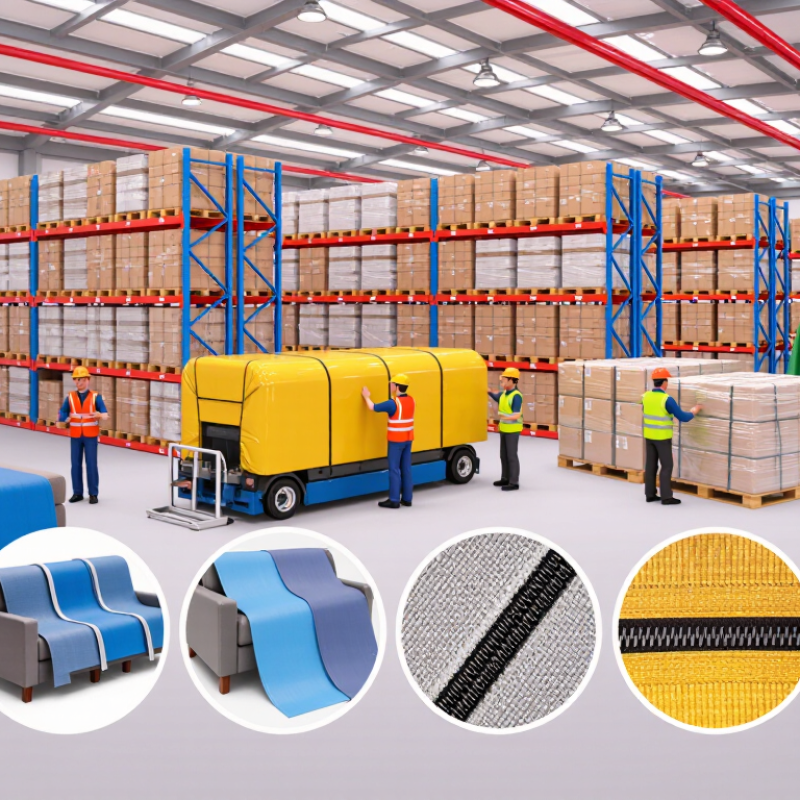
Packing covers are protective sheets or fitted sleeves used to shield goods during storage, handling, and transport. They may be made from woven polypropylene, PE film, canvas, or coated fabric. A cover can block dust, rain splash, sunlight, and warehouse grime. Some designs include elastic edges, drawstrings, buckles, or inspection windows. Fit matters. A loose cover may flap against painted surfaces and cause scuffs.
Global buyers need packing covers because cargo often passes through several climates and handling points. A pallet leaving a dry factory may meet humid docks, dusty roads, or cold storage rooms. The right cover reduces moisture exposure and keeps labels readable. It also separates clean products from floors, walls, and neighboring loads. Buyers should match fabric weight, seam strength, UV resistance, and washing needs to the cargo. A thin film may suit short indoor storage, but it can tear around sharp edges.
When evaluating Chinese manufacturers, buyers can request material samples, dimensional drawings, seam photos, and test records before ordering large quantities. Clear specifications reduce costly misunderstandings about size and tolerances. Factory experience matters, yet paperwork alone is not proof. Ask how workers inspect stitching, edge binding, closures, and packed quantities. An independent pre-shipment inspection may reveal uneven seams or incorrect labels. No specification is perfect. Covers can still fail when users ignore stacking pressure, ventilation, or repeated folding. A practical trial on real pallets often exposes problems that sample reviews miss.
Which Types of Packing Covers Are Commonly Manufactured in China?
China manufactures several common packing cover types for export buyers. Polyethylene pallet covers protect cartons from dust, moisture, and warehouse handling. Stretch hood covers fit entire pallet loads and reduce film use. Shrink covers use heat to create a tighter seal, while woven polypropylene tarpaulin covers suit machinery, timber, and outdoor storage. FIBC liners are also produced for bulk powders and granules. They are usually made from polyethylene film and require careful thickness control.
According to Grand View Research, the global stretch films market was valued at about US$3.2 billion in 2023. This supports continued demand for pallet and stretch hood covers. Smithers also identifies lightweighting and recyclable structures as major flexible packaging trends. In factory sourcing reviews, I check film thickness, seam strength, puncture resistance, and fit around pallet corners. A 60-micron cover can perform well, but poor sealing may still cause tearing. Specifications alone are not enough.
Tips: Request samples from different production batches. Test them under real warehouse conditions. Ask for thickness tolerance, material composition, and load photographs. Buyers should also clarify whether the cover needs UV resistance, antistatic treatment, or ventilation holes. I have found that “waterproof” is sometimes used too loosely. A simple rain test may expose weak seams, uneven film, or misleading claims.
How to Evaluate China’s Packing Cover Manufacturers
China Top Packing Covers Manufacturers for Global Buyers
Choosing a packing cover manufacturer requires more than comparing prices. Start by checking production experience, material knowledge, and export history. A reliable supplier should explain fabric weight, coating options, stitching methods, and expected service life clearly. Ask for factory photos, production records, and recent quality inspection reports. If answers remain vague, treat that as a warning.
Request samples made with the same materials and construction as your planned order. Examine the seams, handles, closures, printing, and edge finishing by hand. Test the cover under realistic storage and transport conditions. One attractive sample proves little. Confirm monthly capacity, lead times, packaging methods, and procedures for handling defects. Factory audits or independent inspections can reduce uncertainty, although they cannot remove it completely. I have seen buyers focus on unit cost and overlook inconsistent sizing, which later created expensive delays.
Tips: Compare at least three manufacturers. Verify certificates with the issuing organization. Put material specifications, tolerances, inspection standards, and replacement terms in writing. Ask how production changes are approved. Confirm who manages communication after the deposit. A short video call from the workshop may reveal more than polished sales documents. Do not ignore small concerns; they often become larger problems during mass production.
What Production Standards and Customization Options Are Available?
Reliable packing cover manufacturers follow controlled production standards from raw material selection to final inspection. Common requirements include fabric weight, tensile strength, tear resistance, seam strength, water resistance, and UV stability. Each batch should have a traceable production record.
Quality teams often use documented procedures aligned with ISO 9001 principles. They measure dimensions, check stitching, and inspect surface defects under suitable lighting. For export orders, manufacturers may provide test reports, material certificates, and pre-shipment inspection records. These documents help buyers verify consistency instead of relying on appearance alone.
Customization can include size, thickness, color, edge finishing, reinforced corners, eyelets, drawcords, straps, and printed handling marks. Covers may also be adapted for pallets, machinery, outdoor storage, or irregular cargo. A practical supplier confirms the product’s use environment before recommending materials. Wind, moisture, sunlight, and repeated handling all matter.
Details matter most. A cover that fits loosely may collect water or tear during transport. A very thick cover may last longer, but it can increase handling difficulty and cost. The first sample is not always perfect. Small changes to seam placement or tension may be necessary after testing. Buyers should approve a physical sample and a written specification before mass production. Clear tolerances prevent disputes. Even experienced teams can overlook one measurement.
How Can Global Buyers Choose and Purchase the Right Supplier?
Choosing among China’s packing covers manufacturers requires more than comparing online prices. Global buyers should match the supplier with the product’s actual working conditions.
Define the cover material, dimensions, thickness, stitching, closure method, and packing quantity before requesting quotations. A supplier should provide clear technical drawings and a production sample. Check whether the material suits moisture, dust, heat, or repeated handling. Ask for test reports, factory quality procedures, and export experience. Reliable suppliers explain limitations instead of promising everything.
Tips: Request two samples from different production batches. Inspect seams, edges, printing, and odor. Measure the sample yourself. A small mismatch can cause major packing problems. Confirm inspection standards in writing.
During purchasing, review the quotation line by line. Confirm tooling fees, minimum order quantity, lead time, packaging, payment terms, and delivery responsibilities. Ask who handles pre-shipment inspection and how defects are corrected. An independent inspection may cost more, but it can expose weak stitching or inaccurate dimensions before shipment. Keep approved samples as reference documents. Do not rely on verbal promises. I have seen buyers focus on unit price and overlook replacement costs, storage delays, and inconsistent batches. That decision often looks efficient at first. It may not be. A practical supplier is one that communicates quickly, documents changes, and accepts reasonable quality checks. Supplier selection should remain evidence-based, even when deadlines feel urgent.
How Global Buyers Can Evaluate Packing Cover Suppliers
This practical scorecard prioritizes quality consistency, compliance documentation, order flexibility, delivery reliability, total cost, and communication. Buyers can adjust the weights according to product specifications, destination-market regulations, order volume, and purchasing risk.