Blog

Top China Biodegradable Plastic Suppliers for Buyers?

China has become a major sourcing base for biodegradable plastic products, from packaging films and shopping bags to food-service containers. However, finding a dependable supplier requires more than comparing online prices. Buyers need to examine material composition, production capacity, testing records, and export experience before placing an order.

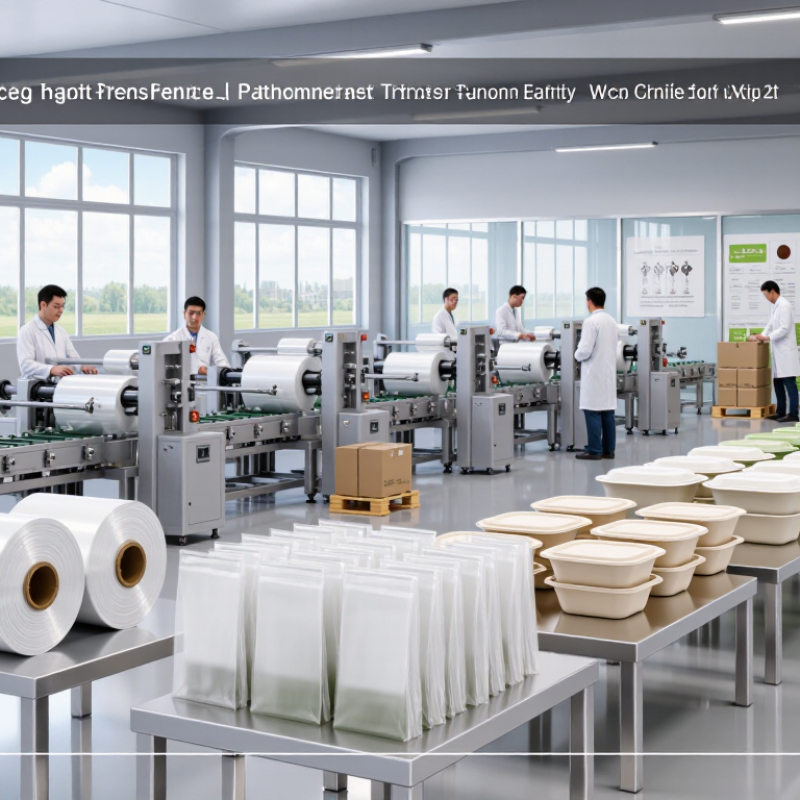
This guide introduces leading China biodegradable plastic suppliers for international buyers. It focuses on practical purchasing factors, including PLA, PBAT, starch blends, compostability claims, minimum order quantities, and customization options. Factory photographs can look impressive, but production evidence matters more. Request recent certificates, test reports, product samples, and clear explanations of manufacturing processes. A reliable supplier should also communicate realistic lead times and identify whether testing covers the finished product.

Small details reveal much.

For example, a buyer should check whether a bag remains stable during warehouse storage, whether printed ink affects compostability, and whether packaging protects products from humidity. Supplier audits, video inspections, and sample trials can reduce avoidable risks. Still, no supplier is perfect, and published information may become outdated as materials, factories, or certifications change. This article therefore treats supplier selection as a verification process, not a simple ranking exercise. It also encourages buyers to confirm current documentation and applicable market requirements independently. With careful comparison, professional communication, and evidence-based checks, buyers can build a more reliable biodegradable plastic supply chain while avoiding attractive but poorly supported sustainability claims.

Top China Biodegradable Plastic Suppliers for Buyers?

What Are Biodegradable Plastics and Why Source Them from China?

Biodegradable plastics are materials designed to break down through biological activity under suitable conditions. They may use plant-based feedstocks, such as starch, or biodegradable polymers developed for controlled disposal. However, biodegradable does not always mean compostable. Some materials need industrial composting facilities, heat, moisture, and microbial activity to decompose properly.

China offers extensive manufacturing capacity, flexible production lines, and access to packaging expertise. Buyers can source films, bags, food containers, and injection-molded parts from specialized factories. In practice, supplier selection requires more than comparing prices. Ask for resin specifications, production samples, and test reports linked to the exact product. Standards such as EN 13432, ASTM D6400, and ISO 17088 may help evaluate compostability claims, but requirements differ by market.

Request batch records when consistency matters. Check film thickness with a micrometer. Test sealing strength after storage. Moisture can change performance. Factory audits can reveal weak housekeeping or poor material separation. Certificates alone are not enough. I have seen attractive samples fail during printing or transport because the material absorbed moisture. That mistake is easy to underestimate. A written specification should cover feedstock, additives, color limits, shelf life, disposal conditions, and packaging. Buyers should also confirm whether the supplier can repeat the same formula at commercial volume, not merely produce an impressive sample.

Which Types of Biodegradable Plastic Products Do Chinese Suppliers Offer?

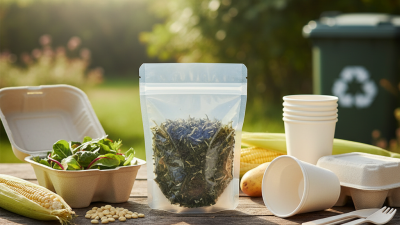
Chinese biodegradable plastic suppliers offer more than shopping bags. Their product ranges commonly include PLA cups, trays, food containers, cutlery, takeaway boxes, and transparent packaging film. Many also produce PBAT blends for compostable bags, mailers, produce sacks, and flexible wrapping. These materials feel similar to conventional plastic, but their disposal requirements can be very different.

Starch-based compounds are used in bags and protective packaging. PHA materials appear in selected films, coatings, and molded items. Cellulose-based films provide a paper-like touch and can suit bakery packaging or dry-food applications. Suppliers may also provide biodegradable agricultural mulch film, hotel amenities, garment bags, and custom injection-molded parts. Product thickness, sealing strength, moisture resistance, and heat tolerance should be checked with samples.

A practical buyer should request resin details, test reports, production samples, and composting conditions. “Biodegradable” is not a complete technical description. Some products require industrial composting, while others need specific temperature, humidity, and microbial conditions. A common mistake is choosing a bag by appearance alone. It may tear under a heavy load or soften near hot food. Ask for migration testing when food contact is involved. Ask about printing ink, additives, and storage life too. Supplier documentation can look complete, yet one missing disposal instruction may create trouble. That deserves a second review.

Which Types of Biodegradable Plastic Products Do Chinese Suppliers Offer?

Chinese biodegradable plastic suppliers commonly offer resin materials and finished products based on PLA, PBAT, PBS, PHA and starch blends. The chart compares indicative processing-temperature ranges commonly used for these material types; actual values vary by formulation, additives and product design.

Typical processing ranges shown in °C. Common applications include food packaging, shopping bags, agricultural films, disposable tableware, coating materials and compostable films.

How to Identify Reliable Biodegradable Plastic Suppliers in China?

Reliable biodegradable plastic suppliers in China should prove their claims with documents, samples, and consistent production records. A polished website proves little. Ask for the factory address, legal business details, product specifications, and recent test reports. Check whether certificates match the exact material, thickness, and intended use. A compostable bag and a biodegradable film may require different evidence.

Request samples from the same production line used for larger orders. Test tensile strength, sealing performance, odor, moisture resistance, and breakdown conditions. Confirm the raw material type, additive percentage, colorant safety, and storage requirements. Ask how the supplier controls each batch. Photos of production floors can help, but an independent audit is stronger. Lead times should also match machine capacity, not only sales promises.

Tips: Compare at least three suppliers. Ask for a video factory tour. Verify certificates with the issuing laboratory. Put test standards, tolerances, packaging, delivery dates, and inspection rights in writing. A small trial order can reveal weak sealing or uneven thickness before serious spending. Be careful with vague claims such as “100% eco-friendly.” They often lack measurable conditions. Some suppliers may answer slowly or provide incomplete files; that is a warning, though not always proof of poor quality. My own review process would leave room for rechecking, because laboratory results and factory performance can change between batches.

Top China Biodegradable Plastic Suppliers for Buyers? - How to Identify Reliable Biodegradable Plastic Suppliers in China?
Material Category Common Product Forms Typical End Uses Relevant Compostability or Biodegradation Standard What Buyers Should Verify Commercial and Technical Evaluation Points Supplier Reliability Indicator
PLA
(Polylactic Acid)
Resin pellets Film Sheet 3D-printing filament Food-service articles, packaging film, thermoformed trays, disposable items and filament. Industrial compostability is commonly evaluated under ASTM D6400, EN 13432 or equivalent standards. Industrial composting generally requires controlled heat, moisture and microbial conditions. ✓ Certificate scope and product grade
✓ Compostability test report
✓ Melt-flow rate and processing temperature
✓ Food-contact compliance where applicable
Confirm whether the quoted grade is suitable for injection molding, extrusion, thermoforming or film production. Ask for batch consistency, drying requirements and recommended processing conditions. Provides a traceable technical data sheet, certificate number, recent laboratory report and production-batch quality records rather than only a general “eco-friendly” claim.
PBAT
(Polybutylene Adipate Terephthalate)
Flexible film resin Compostable bags Blending component Compostable shopping bags, waste-collection bags, agricultural films and flexible packaging blends. Finished products are commonly assessed against EN 13432, ASTM D6400 or other applicable compostability requirements. Performance depends on the complete formulation and final article. ✓ Final-product certification, not only resin claims
✓ PBAT content and blend composition
✓ Film tensile strength and elongation
✓ Disintegration and ecotoxicity results
Verify seal strength, puncture resistance, thickness tolerance, moisture sensitivity and shelf life. A resin may require PLA, starch or another component to meet the intended performance and certification target. Clearly discloses blend ratios, additive information and the difference between biodegradability of the raw material and certification of the finished product.
PHA
(Polyhydroxyalkanoates)
Resin pellets Film Injection-molded articles Selected packaging, agricultural products, coated paper applications and molded articles, depending on grade. Some PHA grades can biodegrade in more than one natural or managed environment, but the actual rate depends on polymer type, product thickness, temperature and local conditions. Product-specific test evidence is required. ✓ Polymer composition and grade identification
✓ Soil, freshwater, marine or compost test scope
✓ Test duration and environmental conditions
✓ Residue and ecotoxicity data
Do not accept an unspecified “biodegrades everywhere” statement. Compare barrier properties, thermal stability, processing window, odor, color and storage conditions for the target application. Uses precise environmental claims and supplies test methods, exposure conditions, sample thickness and laboratory identification for each biodegradation claim.
PBS
(Polybutylene Succinate)
Resin pellets Film Fiber Molded products Packaging, agricultural films, disposable articles, fibers and blends designed for compostable applications. Compostability should be confirmed against the specific market requirement, such as EN 13432 or ASTM D6400, using the complete product formulation. ✓ Product-specific disintegration results
✓ Mechanical and thermal property data
✓ Additives, colorants and coatings
✓ Migration testing when used for food packaging
Confirm compatibility with the buyer’s equipment, including extrusion, blown film, injection molding or fiber spinning. Request sample testing before approving mass production. Offers application-specific grades and can provide trial samples, processing guidance, quality limits and corrective-action procedures for nonconforming batches.
Starch-Based Blends Film Loose-fill packaging Molded packaging Compound pellets Packaging films, protective packaging, agricultural items and disposable products, depending on formulation. The finished product must be tested for the applicable compostability requirements. Starch content alone does not prove compliance with a compostability standard. ✓ Starch percentage and carrier polymer
✓ Moisture content and storage stability
✓ Film strength and water resistance
✓ Heavy-metal and ecotoxicity limits
Pay particular attention to humidity resistance, odor, shelf life, microbial stability and packaging conditions during transport and storage. Provides formulation transparency, moisture-control recommendations and data from independent testing instead of presenting starch content as the only sustainability proof.
Certified Compostable Compound Custom pellets Film compound Injection-molding compound Customized bags, food-service products, packaging components and molded items requiring a specific balance of strength, flexibility and compostability. Depending on the destination market, buyers may request compliance with EN 13432, ASTM D6400, AS 4736 or other recognized requirements. Certification normally applies to a defined product, formulation and use. ✓ Certification holder and scope
✓ Certificate validity and listed product
✓ Formulation-change control
✓ Third-party laboratory reports
✓ Regulatory documents for the destination country
Compare the supplier’s minimum order quantity, lead time, tooling support, sample policy, payment terms and ability to maintain the same formulation over repeat orders. Maintains documented quality management procedures, production traceability, retained samples, inspection records and a formal process for notifying buyers of material changes.
All Material Categories Raw material Finished product Private-label supply Any biodegradable or compostable plastic application requiring verified environmental, technical and commercial performance. A reliable supplier should distinguish among biodegradable, industrially compostable and home-compostable. These terms are not interchangeable and require different evidence. ✓ Company registration and export capability
✓ Product specification and certificate matching
✓ Independent test reports
✓ Factory audit or verified production address
✓ Pre-shipment inspection option
Use a staged qualification process: document review, sample testing, pilot order, production inspection and post-delivery quality review. Avoid selecting solely on the lowest quoted price. Responds consistently, provides verifiable documents, accepts reasonable quality requirements, communicates limitations clearly and supports corrective action when specifications are not met.
Buyer note: Compostability and biodegradation depend on the complete finished product, formulation, thickness and disposal environment. Always verify the exact certification scope and test conditions for the destination market before placing a commercial order.

What Standards and Certifications Should Buyers Verify?

When comparing China biodegradable plastic suppliers, buyers should verify standards before reviewing price or appearance. A product labeled “biodegradable” may only degrade under controlled industrial composting conditions. Ask for current test reports against EN 13432, ASTM D6400, or ISO 17088, depending on the destination market. These standards assess disintegration, biodegradation, ecotoxicity, and material safety. Check whether the certificate covers the exact resin, color, coating, and thickness you plan to purchase. A certificate for pellets may not cover finished bags.

Experience shows that reliable verification requires more than a PDF. Request the laboratory name, testing date, sample description, and report number. Confirm whether the laboratory is accredited under ISO/IEC 17025. For food packaging, review applicable food-contact declarations and migration test results. Heavy metals, inks, adhesives, and additives also deserve attention. The package can fail because of its coating. That detail is often missed.

Tips: Ask for a production sample and test it in the intended composting environment. Industrial composting is not home composting. Keep sealed samples, batch records, and inspection photos. Also verify traceability from raw material to shipment. Some suppliers provide excellent documents but inconsistent batches. This is where buyers must remain cautious. Certification helps, but it does not replace independent testing or a clear purchasing specification.

How to Compare Prices, Quality, Minimum Orders, and Shipping Terms?

Top China Biodegradable Plastic Suppliers for Buyers?

When comparing Chinese biodegradable plastic suppliers, do not rank quotes alone. Compare the same resin, thickness, bag size, printing, packing, and delivery term. A 10% lower unit price may hide thinner film or excluded tooling. Request a signed specification sheet, recent test report, and production sample. Ask whether the material is certified compostable or merely biodegradable. These terms are not interchangeable. European Bioplastics reported global bioplastics production capacity at about 2.18 million tonnes in 2023, with projected capacity near 7.43 million tonnes by 2028. Fast growth makes verification more important.

Quality checks should match the intended use. For compostable packaging, request evidence against EN 13432 or ASTM D6400, when relevant to your market. Also test seal strength, odor, moisture resistance, and thickness tolerance. A laboratory certificate alone is not enough. Compare the certificate number, test date, sample identity, and factory address. One weak point remains: samples can outperform routine production. Add pre-shipment inspection and retain samples from each batch.

Minimum order quantity affects cash flow more than many spreadsheets show. Compare the MOQ for plain stock, custom printing, and custom tooling separately. Then calculate landed cost: products, molds, inspection, inland transport, freight, insurance, duties, and destination charges. Request FOB, CIF, and DDP quotations with responsibilities clearly defined. International Chamber of Commerce guidance explains that risk transfers at specific points, not vague “shipping” stages. Sea freight may be cheaper, but a missed vessel can erase the saving. Ask for a small pilot order. It costs more per unit, but exposes problems early.

Register now