



Blog

What is a Voltage Protector and How Does It Work?

A Voltage Protector is a crucial device designed to safeguard electrical appliances from voltage fluctuations. These fluctuations can damage electronics, leading to costly repairs or replacements. Understanding how a Voltage Protector works helps consumers protect their investments. This device monitors electrical input, detecting irregularities and disconnecting power when necessary.

Voltage Protectors come in various forms. Some are built into devices, while others are standalone units. They are essential for areas prone to power surges or outages. A reliable Voltage Protector can extend the life of appliances and prevent financial loss.

Despite their importance, not all Voltage Protectors are created equal. Some may not respond promptly to voltage changes, which can lead to unexpected damage. Therefore, choosing a high-quality Voltage Protector is vital for effective protection. Users should ensure their devices meet industry standards and are suitable for their specific needs.
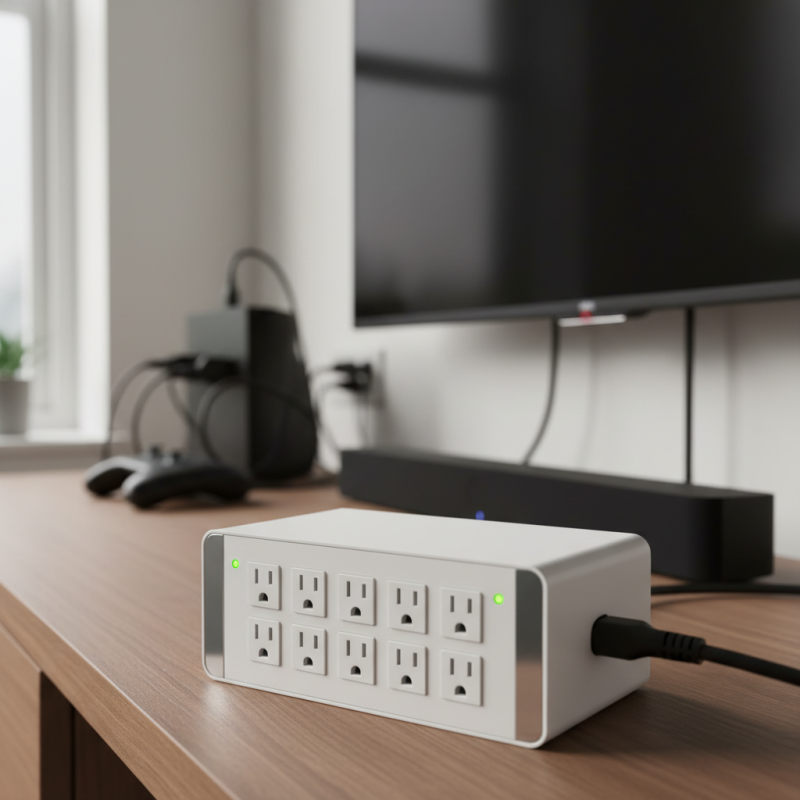
What is a Voltage Protector and How Does It Work?

What is a Voltage Protector?

A voltage protector is a device designed to safeguard electrical appliances from voltage surges and fluctuations. It acts as a shield, preventing excess voltage from damaging your devices. These protectors respond to varying voltage levels and disconnect the power supply when the levels exceed safe limits. This protection is crucial in areas prone to electrical storms or frequent outages.

Tips: Regularly check your voltage protector to ensure it’s functioning properly. Replace it if you notice any signs of wear or malfunction.

Understanding how a voltage protector works can be straightforward. The device measures incoming voltage and compares it to a predetermined threshold. If the voltage surpasses this level, it cuts off the power. This feature is essential for sensitive equipment like computers and televisions, which can be vulnerable to power surges.

Tips: Invest in a voltage protector that includes indicators for power and surge status. This allows for easy monitoring of its effectiveness.

Using a voltage protector can extend the lifespan of your electronics. However, not all protectors are created equal. It is wise to understand your specific needs before making a choice. Researching different types may reveal something you didn't expect.

The Importance of Voltage Protection in Electrical Systems

Voltage protection plays a crucial role in electrical systems. Fluctuations in voltage can result in severe damage to sensitive equipment. Protecting electronic devices from these surges not only prolongs their lifespan but also ensures safety. Voltage protectors serve as guardians, detecting irregular voltage levels and shutting down power when necessary.

Consider the impact of a sudden power surge. It can cause immediate failure in appliances, leading to expensive repairs. In industrial settings, unregulated voltage can halt production. Implementing voltage protectors mitigates these risks. Ensure that your systems are equipped with devices that monitor voltage levels regularly.

Tips: Use surge protectors in critical areas. Regularly inspect wiring and connections. Be mindful of the devices plugged into outlets. Small changes can enhance overall system safety. Voltage protection isn’t just a safety measure; it’s a necessary investment in the longevity of your electrical systems.

How Voltage Protectors Function: Basic Principles

Voltage protectors play an essential role in safeguarding electrical devices from harmful surges and spikes. They operate based on simple yet effective principles. At their core, these devices monitor the voltage levels in electrical circuits. When they detect a voltage surge, they act swiftly to prevent damage. This process often involves diverting excess voltage away from sensitive equipment.

The functionality of voltage protectors relies on key components. These include varistors, diodes, and circuit breakers. Varistors help absorb excess voltage, while diodes allow current to flow in one direction only. Circuit breakers can shut off power entirely if the situation escalates. These elements work together to create a protective barrier.

Despite their reliability, voltage protectors have limitations. They can wear out over time, especially after multiple surges. Users should regularly check their devices to ensure they remain effective. Understanding this aspect is critical for maintaining an optimal level of protection. Regular testing could reveal potential risks that might otherwise go unnoticed.

Types of Voltage Protectors and Their Applications

Voltage protectors are crucial for safeguarding electrical devices from unexpected surges. There are several types available, each designed for specific applications. Surge protectors are common in homes. They defend against spikes from lightning or electrical faults. Often, they are used in computers and entertainment systems. Their reliability helps prevent damage to sensitive electronics.


Another type is voltage regulators. These devices maintain consistent voltage levels in industrial settings. They prevent dips and spikes that can disrupt machinery. Many factories rely on these protectors to ensure operational efficiency. Using voltage regulators can lower maintenance costs and enhance productivity.


In some cases, uninterruptible power supplies (UPS) serve dual functions. Besides providing backup power, they also protect against fluctuations. They are essential for critical systems, like servers and medical equipment. A reliable power source is necessary, but users often overlook the importance of protection. This oversight can lead to significant setbacks.

Installation and Maintenance of Voltage Protectors

Installing a voltage protector is a crucial step for safeguarding electrical systems. Begin by selecting a suitable location. The device should be close to the main electrical panel. Ensure the area is dry and accessible for maintenance. Use appropriate tools to secure it in place. Following the manufacturer's instructions is vital. Every step matters for safety and functionality.

Once installed, routine maintenance ensures longevity. Check connections regularly. Look for signs of wear or damage. Clean the unit to remove dust and debris. Testing the protector every few months can help identify potential issues. Troubleshooting small problems early can save time and money later.

Pay attention to the warranty and upkeep requirements specified by the manufacturer. Skipping maintenance can lead to failures. Reflect on your installation process. Were there any challenges? What improvements can be made next time? These reflections enhance expertise and understanding.

What is a Voltage Protector and How Does It Work? - Installation and Maintenance of Voltage Protectors

Feature Description Importance Maintenance Tips
Surge Protection Protects connected devices from voltage spikes. Prevents damage to sensitive electrical appliances. Regularly check for wear and replace if necessary.
Over-voltage Protection Disconnects power if voltage exceeds safe levels. Safeguards equipment from over-voltage that can lead to failure. Test functionality periodically to ensure effectiveness.
Under-voltage Protection Cuts off power when voltage drops below a specified point. Protects equipment from inefficient operation. Check connections and settings regularly for optimal operation.
Voltage Regulation Maintains a consistent voltage output. Ensures devices operate within their designed voltage limits. Inspect voltage levels and adjust settings as required.
LED Indicators Shows operational status and alerts for failures. Easy monitoring of protector status at a glance. Ensure indicators are functioning; replace bulbs if burned out.
Register now