

Blog

China Top 10 Plastic Color Masterbatch Manufacturers

China’s plastic color masterbatch sector serves packaging, household goods, automotive components, fibers, and many other applications. A masterbatch is a concentrated blend of pigments or dyes, carrier resin, and selected additives. Its performance can affect shade consistency, dispersion, processing stability, and the finished product’s appearance. Small differences matter. A clean color chip may look different after molding, extrusion, or exposure to heat and light. A supplier list should be a starting point, not a buying decision.

This overview profiles ten Chinese manufacturers for buyers comparing technical range, capacity, customization, and service. It also raises practical questions: Can a supplier match a target shade? Does its carrier suit the base polymer? Can it provide trial batches and relevant quality documentation? Strong answers should be supported by samples, process data, and discussions with technical staff. Buyers seeking reliable color on plastic should test materials on their own equipment under realistic conditions. Results can vary. Public information may not reveal every limitation, and rankings can change as factories invest or markets shift. This list cannot replace an audit or laboratory evaluation. Even experienced teams can overlook a mismatch between pigment choice and processing temperature. That deserves a second look. Use the profiles to narrow the field, then verify claims before placing a production order.
China Top 10 Plastic Color Masterbatch Manufacturers

What Plastic Color Masterbatch Is and How It Is Made

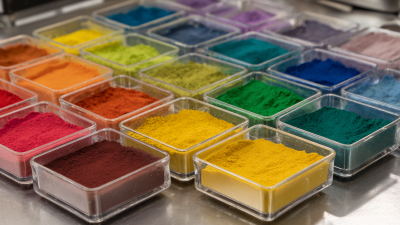
Plastic color masterbatch is a concentrated mixture of pigments or dyes, carrier resin, and selected additives. Processors blend it with natural polymer pellets to produce colored plastic parts. The carrier should match, or work well with, the base resin. This helps the color disperse evenly during molding or extrusion. Plastics Europe’s Plastics—The Fast Facts 2024 reports global plastics production of 413.8 million tonnes in 2023. That figure describes plastics overall, not masterbatch alone, but it shows the scale of materials that may require controlled color.

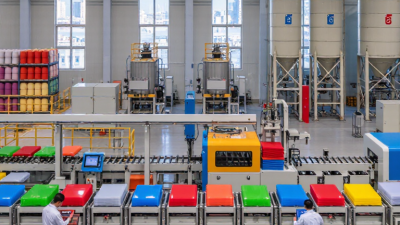
Making masterbatch typically starts with weighing and mixing pigments, carrier resin, and additives. The blend enters an extruder, where heat and mechanical shear distribute the color. The molten material is cooled, cut into pellets, and checked for color consistency and dispersion. Lab tests can compare a molded sample with a target color under controlled lighting. Poor dispersion may leave visible specks or streaks. Results can also shift with resin type, processing temperature, and recycled content, so a formula that works in one line may need adjustment elsewhere. That variability deserves more attention than it often gets.

Tips: Trial a small batch first. Check the finished part, not just the pellets, and record dosage, temperature, and lighting conditions.

China’s Plastic Color Masterbatch Industry at a Glance

China’s plastic color masterbatch industry serves a broad manufacturing base, from packaging and household goods to automotive components and construction products. Its scale is supported by dense supply networks for pigments, carrier resins, compounding equipment, and testing services. Production is concentrated in several industrial regions, including parts of East and South China, though capabilities differ widely between factories.

A masterbatch is more than concentrated color. Good dispersion helps reduce specks and uneven shades in finished parts. The carrier resin must also suit the customer’s base polymer and processing conditions. Suppliers commonly assess color strength, heat stability, moisture, and batch consistency. Small trials can reveal problems that a sample chip cannot. Details matter.

For buyers, practical evaluation should include production controls, technical support, and repeat-order consistency—not only price or a color chart. Ask for a sample made under conditions close to your own process, then compare it with the target product under consistent lighting. Request clear specifications and confirm how changes in resin or processing temperature may affect shade. No supplier can promise identical results across every machine and material. That limitation is worth discussing early. The industry offers substantial choice, but a polished brochure is not proof of reliable production.

How to Evaluate Plastic Color Masterbatch Manufacturers

Choosing among the China Top 10 Plastic Color Masterbatch Manufacturers requires more than comparing brochures or sample chips. Start with the polymer grade, processing temperature, and target color. Then ask each supplier for a sample made for your resin and intended dosage. A bright chip can hide poor dispersion. Check molded or extruded trial pieces for streaks, specks, and color variation across the part.

Ask how color consistency is measured between batches, and request recent test data where available. Useful checks include color difference, heat stability, moisture, and compatibility with the carrier resin. For critical parts, agree on a tolerance and test method before ordering. Ask for batch identification and a clear process for investigating defects. Details matter. A reliable manufacturer should explain what its results mean, not just send a polished certificate.

Evaluate production support, too. Confirm lead times, minimum order quantities, packaging, and how technical questions are handled during a trial. Compare samples under your own processing conditions; laboratory plaques alone may not predict production results. Keep notes on machine settings and visual outcomes. The assessment is not perfectly tidy: a small trial may miss problems that appear after a longer run. That is worth admitting. Use a controlled trial order before committing to regular supply, and judge the response as carefully as the color.

How to Evaluate Plastic Color Masterbatch Manufacturers

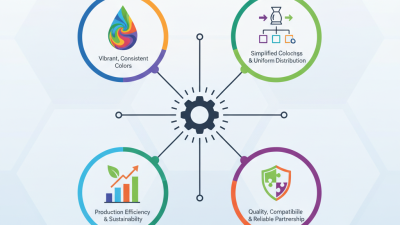
Suggested evaluation weighting for comparing suppliers. These percentages are a buyer-defined framework, not measured industry statistics; adjust them to your product and sourcing needs.

Prioritize color consistency and technical performance, then verify compliance documents, customization capability, delivery reliability, and technical support using samples, test reports, and production records.

Profiles of China’s Top 10 Plastic Color Masterbatch Manufacturers

Profiles of China’s Top 10 Plastic Color Masterbatch Manufacturers

A useful manufacturer profile looks beyond product catalogs. It examines pigment dispersion, color consistency, carrier-resin options, and technical support. These details matter when a pale pellet must produce an even shade across a large production run. The OECD’s Global Plastics Outlook reports that global plastics production reached 460 million tonnes in 2019. That scale helps explain why reliable coloring and efficient material use matter across the plastics supply chain.

For each Chinese manufacturer, compare available color ranges, customization processes, quality-control practices, and capacity to support different applications. Ask how samples are approved and how batches are checked; practical evidence is more useful than broad claims. Also review whether the supplier provides clear technical data and responds effectively to production issues. A profile should distinguish verified information from estimates. No list is perfect.

Tips: Request a trial batch and check color under the lighting used at your facility. Record the resin grade, dosage, and processing conditions. Small changes can shift the final shade. A quick visual check alone may miss variation between lots.

Key Applications and Market Trends in Color Masterbatch

China Top 10 Plastic Color Masterbatch Manufacturers

Key Applications and Market Trends in Color Masterbatch

Color masterbatch gives plastic products consistent color while helping processors control dispersion and production quality. Common uses include packaging films, household containers, automotive components, and fibers. A small color variation can stand out on a large film roll or a glossy dashboard panel. The application matters: outdoor parts need reliable weathering performance, while food packaging often prioritizes color consistency and clean processing. Grand View Research’s 2023 Masterbatch Market report estimated the global market at about US$11.2 billion in 2023, with projected growth of around 5% annually through 2030. This covers masterbatch overall, not color products alone.

Demand is shifting toward customized shades, efficient dosing, and formulations compatible with recycled resins. These changes can make color matching harder because recycled feedstock may vary from batch to batch. Lightweight packaging and durable consumer goods also remain important application areas. Yet sustainability claims need care: a color concentrate does not, by itself, make a plastic product recyclable. Practical testing should check shade, dispersion, processing behavior, and compatibility with the intended resin.

Tips: Test the concentrate in the actual resin and processing conditions. Check color under consistent lighting, and retain a reference sample. Ask for technical data and batch-to-batch consistency records. Small trials matter. One limitation is that published market estimates group products differently, so comparisons between reports may not be exact.

Register now