



Blog
How to Choose the Best Filler Compound for Plastic?
Choosing the right filler compound for plastic is crucial for optimal performance in various applications. According to Dr. Emily Johnson, an expert in polymer science, "The right filler can enhance not only strength but also reduce production costs." With a plethora of options available, it is essential to navigate this landscape thoughtfully.
Considerations such as the type of plastic, intended use, and desired properties must all play significant roles. For instance, choosing calcium carbonate as a filler can improve rigidity while being cost-effective. However, over-reliance on this option may compromise flexibility, a key aspect for certain products.
Understanding the right balance is challenging. Some fillers may offer immediate benefits but lead to long-term issues, such as poor aesthetics or processing complications. Effective selection is not merely about price or availability; it demands a deep understanding of material interactions. Thoughtful consideration can lead to innovative solutions rather than trial and error approaches. This nuance makes the choice of filler compound for plastic both an art and a science.
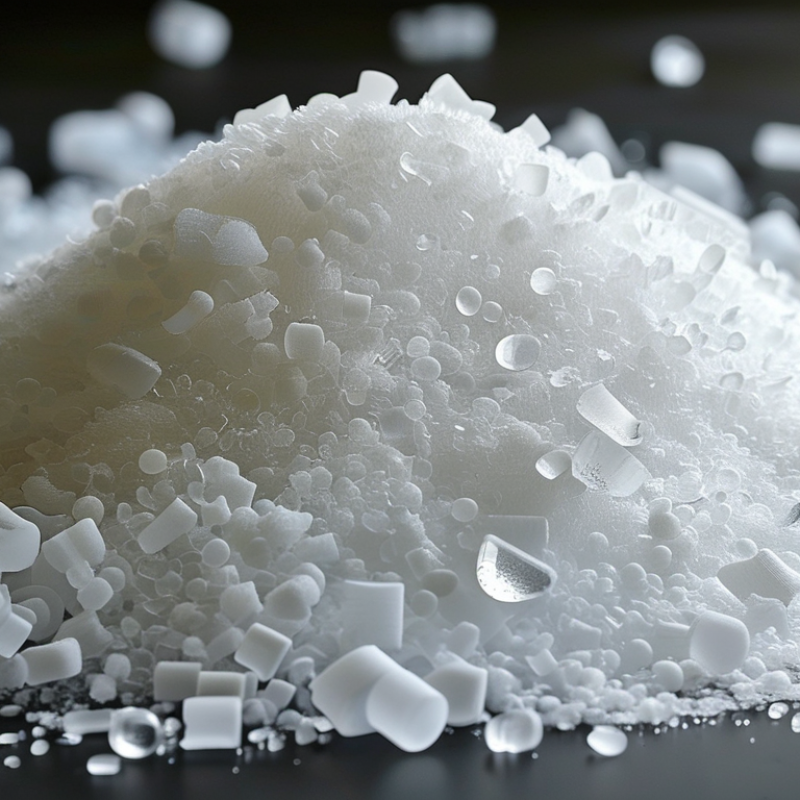
Understanding Filler Compounds and Their Role in Plastics
Filler compounds play a crucial role in the plastic industry. They are added to plastic materials to enhance properties, reduce costs, and improve performance. Understanding the types of fillers and their functions can greatly influence your material choices. Common filler materials include talc, calcium carbonate, and glass fibers. Each has unique benefits that can affect strength, weight, and thermal properties.
When selecting a filler compound, consider compatibility with the base material. Certain fillers may not bond well with specific plastics. This can lead to weakened structures. Testing the filler in small batches before full-scale production is often wise. The sizing of filler particles also matters. Finer particles may improve appearance but can affect processing and cost.
Choosing the right filler involves balancing various factors. For example, you may need to compromise between cost and performance. Keep in mind the intended application of the plastic. Different applications might demand different properties. Evaluate how the selected filler will be processed. Some fillers can change the melt flow characteristics of plastics, affecting production efficiency.
Types of Filler Compounds Commonly Used in Plastic Manufacturing
When selecting filler compounds for plastic manufacturing, it's crucial to understand the common types available. Glass fibers are popular for enhancing strength and rigidity. They improve tensile strength but can make the plastic brittle if not used carefully. Mineral fillers, like calcium carbonate, are widely used for cost-effectiveness and the ability to bulk out products without significant weight.
Another important type is organic fillers, such as wood flour and natural fibers. These provide eco-friendly options, but their performance can vary with humidity levels and aging. It's essential to balance sustainability with performance when using these materials.
Tips to remember: Always test different fillers in your specific application. Sometimes a filler that works well in one scenario may not deliver the same results in another. Assessing the compatibility of fillers with your resin system can save time and resources. Consider the end-use of your plastic product, as this can greatly influence your filler choice. Be ready to experiment and reflect on the outcomes to find the best solution for your needs.
Factors to Consider When Selecting a Filler for Plastic Applications
Choosing the right filler compound for plastic applications requires careful consideration of various factors. One crucial aspect is the filler type. Common fillers include calcium carbonate, talc, and glass fibers, each offering distinct properties. According to recent industry reports, the global filler market is expected to reach $24 billion by 2026, highlighting its significance in production.
Another factor is compatibility with the base polymer. Incompatible fillers can weaken the final product and lead to processing issues. Research indicates that proper filler selection can improve tensile strength by up to 30%. This statistic underscores the importance of aligning filler properties with the intended application.
Processing temperature also plays a role. Fillers can alter the thermal properties of plastics, affecting their processing. Some fillers may degrade at high temperatures, impacting the product's durability. Evaluating factors like processing method and final application will guide effective filler choices. Balancing these elements offers opportunities for innovation while also presenting challenges that warrant careful thought.
How to Choose the Best Filler Compound for Plastic? - Factors to Consider When Selecting a Filler for Plastic Applications
| Filler Type | Key Properties | Typical Applications | Cost |
|---|---|---|---|
| Calcium Carbonate | Low density, good rigidity, low cost | Film, containers, bottles | Low |
| Talc | High impact strength, low thermal expansion | Automotive parts, household goods | Medium |
| Glass Fiber | High strength, improved dimensional stability | Structural components, electrical insulators | High |
| Wood Flour | Eco-friendly, low cost, good aesthetic | Composites, outdoor furniture | Low |
| Barium Sulfate | High density, excellent opacity | Inks, coatings, plastics | Medium |
Evaluating the Performance and Cost of Different Filler Options
When choosing a filler compound for plastic, evaluating performance and cost is crucial. Different fillers offer unique properties that impact the final product’s strength, flexibility, and appearance. For instance, calcium carbonate can enhance stiffness and reduce costs, while talc may improve surface finish but at a higher price. It’s essential to analyze these trade-offs carefully.
Performance metrics should focus on the specific application. Some fillers enhance impact resistance, while others can contribute to thermal stability. However, not all fillers fit every scenario. Poor compatibility with the base polymer can lead to weakening or brittleness. It’s wise to conduct thorough testing to understand how each filler behaves under various conditions.
Cost is another critical consideration. While cheaper fillers may seem attractive, their long-term performance can lead to increased failure rates. This aspect can result in higher repair or replacement expenses. A balance between affordable options and high-performance materials ensures that the final product meets industry standards without breaking the budget. Be prepared to revisit your choices based on testing results and evolving project requirements.
Best Practices for Incorporating Fillers into Plastic Formulations
Incorporating fillers into plastic formulations can enhance material properties significantly. However, the process requires careful consideration. Different fillers bring different benefits, such as improved strength or reduced weight. Understanding your specific application needs is essential for choosing the right filler.
When adding fillers, blend them evenly. Inconsistent distribution can lead to weak spots in the final product. Always test various filler percentages. Too much filler may compromise plasticity, while too little might not deliver the desired enhancements. Understanding the interaction between fillers and the plastic matrix is vital.
Experiment with different processing conditions as well. Temperature and mixing time can impact the performance of fillers. Be open to adjusting your methods as you analyze outcomes. It’s also useful to document your trials thoroughly. Learning from previous attempts can lead to better results in future formulations.
Filler Types and Their Impact on Plastic Properties
This chart illustrates the mechanical strength contributed by various filler compounds in plastic formulations. Each type of filler affects the strength of the plastic material differently, making the right choice crucial for desired performance outcomes.
Related Posts
-
What is the Best Filler Compound for Plastic Manufacturing?
-

2026 Best Filler Compound for Plastic Innovations and Applications?
-
Why Choose Filler Masterbatch for Your Plastic Manufacturing Needs?
-
Exploring the Science Behind Color on Plastic: How Pigments Transform Materials
-

How to Use Conductive Compounds for Better Electrical Performance?
-

What Are the Benefits of ABS Compound for Global Buyers?